The Blue Blanket
A Childhood Taken from Bosnia to Australia
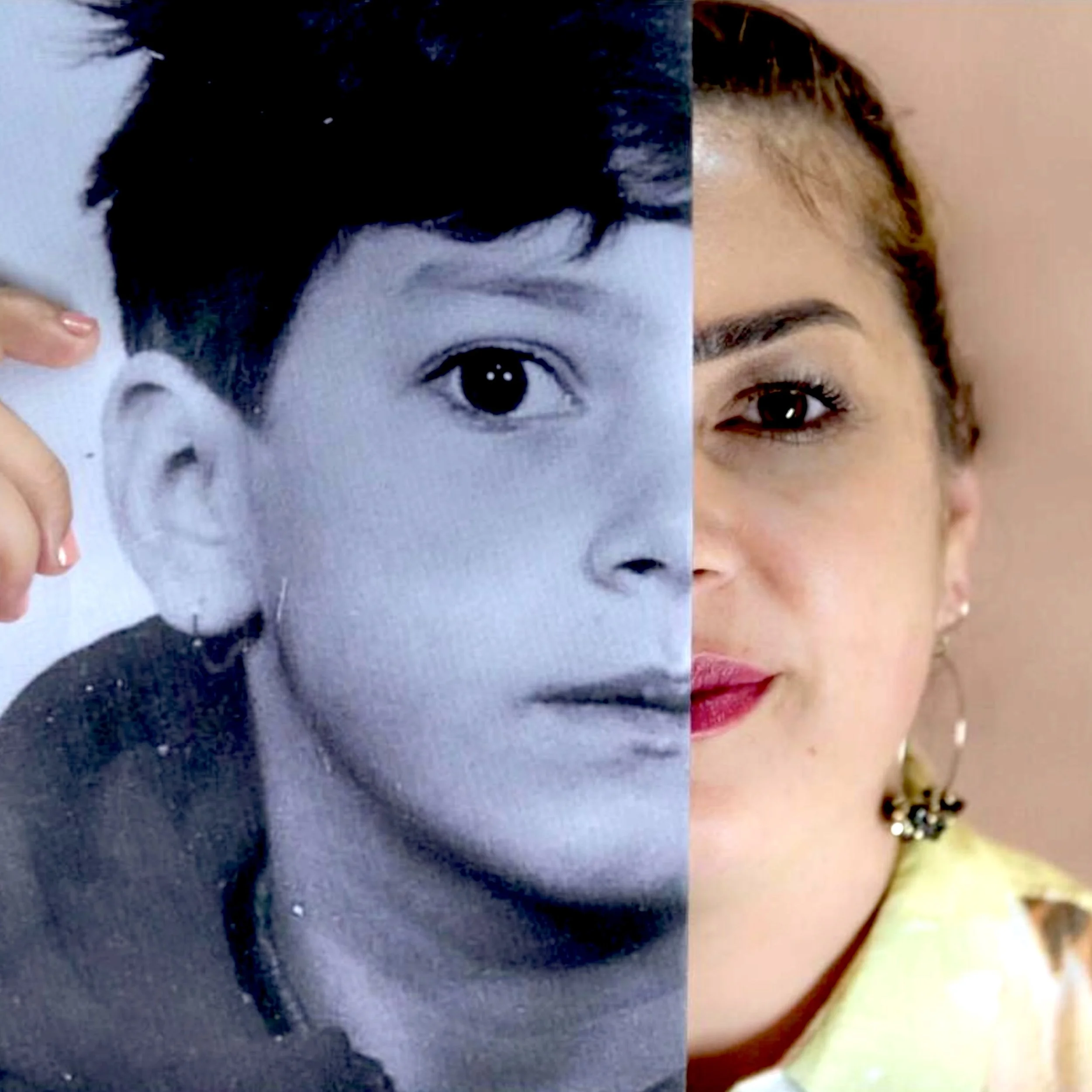
One woman’s story of war, displacement and the lifelong search for home
There are some interviews that remain with you long after the microphones have been switched off.
My conversation with Ivana Strbac Alfonso is one of them.
Ivana was only six years old when the life she knew in central Bosnia and Herzegovina was suddenly torn apart. She lived in Stranjani, a small rural village near Zenica, in a multigenerational family home surrounded by parents, grandparents, aunts, uncles, siblings and cousins.
They did not have very much in material terms. But, as Ivana puts it, they had everything.
A Childhood Filled with Small Memories
What Ivana remembers most clearly about life before the war is not politics or nationality. She remembers people.
She remembers her great-grandmother drinking coffee with a sugar cube. She remembers the scent of lilac, making flower crowns with her sister and growing up among animals, fields and home-cooked food.
There was no indoor toilet and, for a time, no running water directly into the house. It was a physically demanding rural life, but she remembers feeling loved, safe and protected.
Those memories matter because they show us what was actually lost.
War does not simply destroy buildings or change borders. It removes children from the places, people and routines that once made the world feel safe.
The Morning Everything Changed
Ivana had just turned six when the conflict reached her village.
She remembers boards being placed across the windows. She remembers being told to duck, to remain inside and not to go out.
Most vividly, she remembers the morning her mother woke the children and told them they had to leave.
There was freshly baked bread in the house. Ivana was crying because she wanted to take a large blue blanket with her. It was her comfort blanket, the sort of possession that might appear unimportant to an adult but can represent safety itself to a frightened child.
Her mother was trying to pull it away as the family prepared to escape. Ivana, her siblings, cousins, mother and grandmother then made their way through the forest.
They were leaving the only home Ivana had ever known.
Reaching Safety Was Not the End
The family’s journey eventually took them to Germany.
Germany offered physical safety, but life there was far from easy. They lived in refugee accommodation, wore clothes supplied by the Red Cross and entered schools without understanding the language.
Ivana remembers being bullied and treated as though she and her family were somehow less worthy than the people around them. Her appearance, clothes and inability to speak German made her immediately visible as an outsider.
It took almost the entire four and a half years they lived there for that hostility to soften.
Then, just as the family had begun building something resembling a settled life, they were told they could not remain.
There was very little for them to return to in Bosnia. After repeated applications and rejections, the family was eventually accepted by Australia.
Once again, they packed their belongings and began again.
Becoming a Cultural Chameleon
Australia presented a completely different set of challenges.
Ivana had only recently learnt German. Now she needed English. She went from struggling academically in Germany to finding herself near the top of her Australian class, while still receiving very little useful language support.
At home, her father insisted that the family maintain its language, traditions and values. Outside the home, Ivana tried desperately to fit into Australian society.
She describes herself as becoming a chameleon.
That may help a young person survive and integrate, but it can also mean hiding important parts of themselves. Ivana eventually realised that belonging was not simply about becoming indistinguishable from everyone else.
It was also about recovering the person she had been before she learnt to hide.
Returning to Bosnia
When Ivana returned to Bosnia as an adult, she expected to reconnect with home. Instead, she discovered another complicated layer of displacement.
The landscapes were familiar and beautiful, but much had changed. She noticed war damage, poverty, rubbish, neglected animals and signs of the unresolved trauma carried by those who had remained.
She felt emotionally connected to the country, but also realised that she was now looking at it partly through Australian eyes.
She was no longer completely at home in Bosnia. Yet she did not feel entirely Australian either.
This is one of the most powerful parts of her story. Displacement can leave a person suspended between places: grateful for the country that provided safety, while continuing to mourn the country and childhood that were taken away.
Home Can Also Be People
Ivana now has a family, businesses and a life on Australia’s Gold Coast. She also hosts the Balkan Sis podcast, creating conversations for people who understand what it means to live between cultures.
Towards the end of our conversation, she offers thoughtful advice to others who have been forced to begin again.
Find support. Preserve your language. Continue listening to your music and cooking your food. Share your story when you feel able. Do not believe there is only one correct way to integrate or belong.
Perhaps the most important thought from our conversation is that home is not always simply a geographical location.
Home can be a language, a memory, a meal or an old song.
Sometimes, home is found in the people who understand what you have carried.