Yorkshire Pudding and Balkan Food
The Quiet Wisdom of Ordinary Kitchens
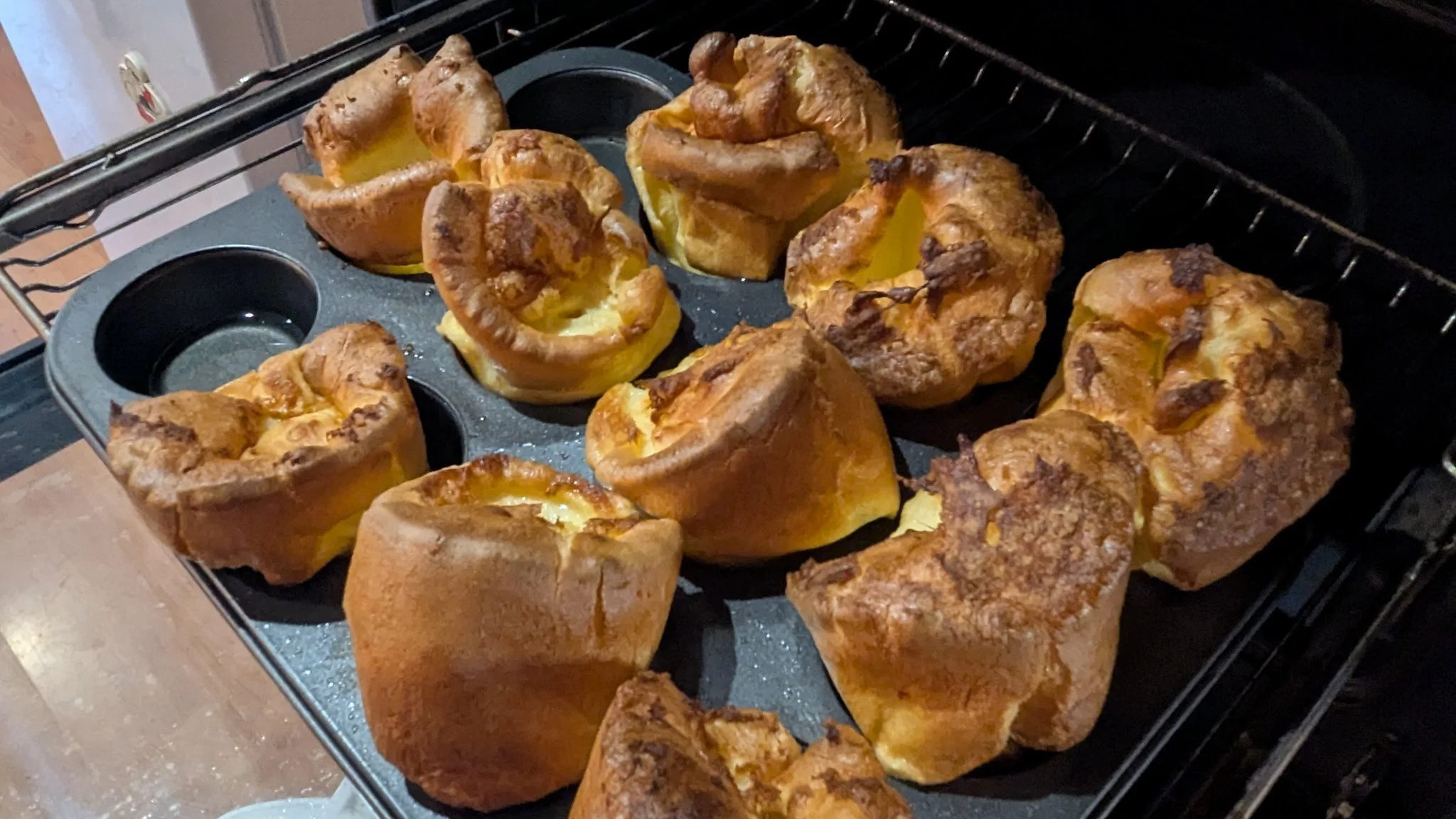
Tamara’s “Yorkshire’s” in the pan
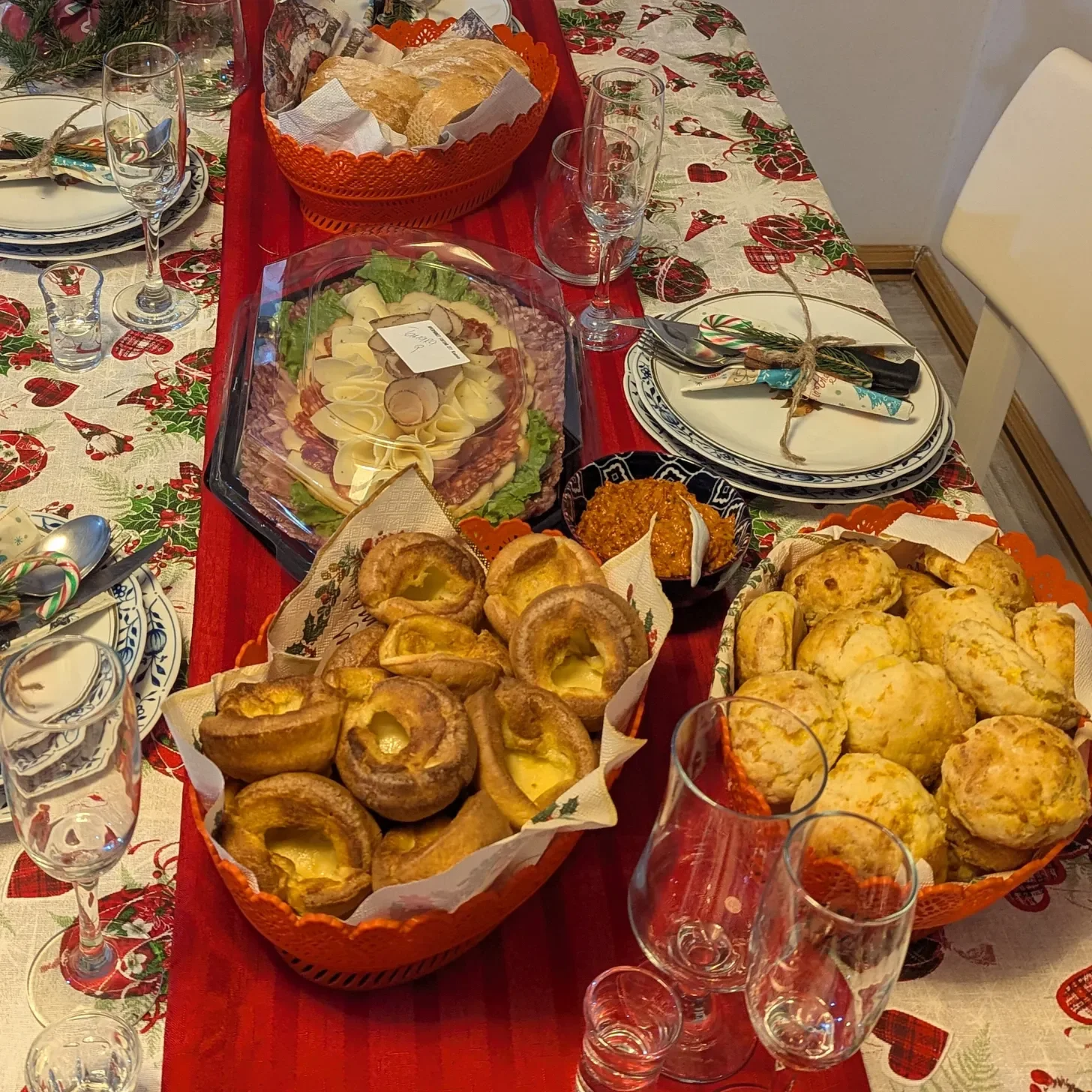
Yorkshire Puddings on a Bosnian Table
When most people hear the words Yorkshire pudding, they probably think of Sunday roast, gravy, beef, and a very particular idea of England.
It is one of those foods that seems to carry a flag with it.
Not literally, of course, but emotionally. It belongs to memory.
To family tables.
To the smell of roast meat in the oven. To arguments about whether it should be crisp, soft, enormous, individual, cooked in beef dripping, or rescued from the freezer at the last minute.
But Yorkshire pudding did not begin as nostalgia.
It began as a practical answer to a very ordinary problem.
In eighteenth-century northern England, meat was expensive and fuel mattered. A joint of beef was not something to be wasted or treated casually. If you had one, you made the most of it. Every drop of fat had value.
So a simple batter of flour, eggs, and milk was poured into a pan beneath the roasting meat. As the beef cooked, the dripping fat fell into the batter. The pudding rose in the heat, becoming filling, savoury, and wonderfully economical.
And the part many people forget is this: Yorkshire pudding was often served before the meat.
Not beside it.
Before it.
With gravy poured over the top, it helped fill people up before the more expensive part of the meal arrived. That changes how we understand it. Yorkshire pudding was not decoration. It was not indulgence. It was strategy.
Living here in Bosnia and Herzegovina, that makes complete sense to me.
Across the Western Balkans, there is a deep understanding of food that fills rather than flatters. Food that is not trying to impress anyone, but quietly gets the job done.
Uštipci at breakfast. Plain palačinke when the cupboards are not full.
Proja on the table, sliced and shared. Simple food. Reliable food. Food that understands weather, work, family, and the need to stretch what you have.
These dishes are not the same as Yorkshire pudding, and I am not trying to pretend they are. There is no need to force a connection where one does not exist.
But the instinct feels familiar.
Cold winters. Limited ingredients. Hard work. Families to feed. Kitchens where experience matters more than instructions.
That is where ordinary food becomes extraordinary.
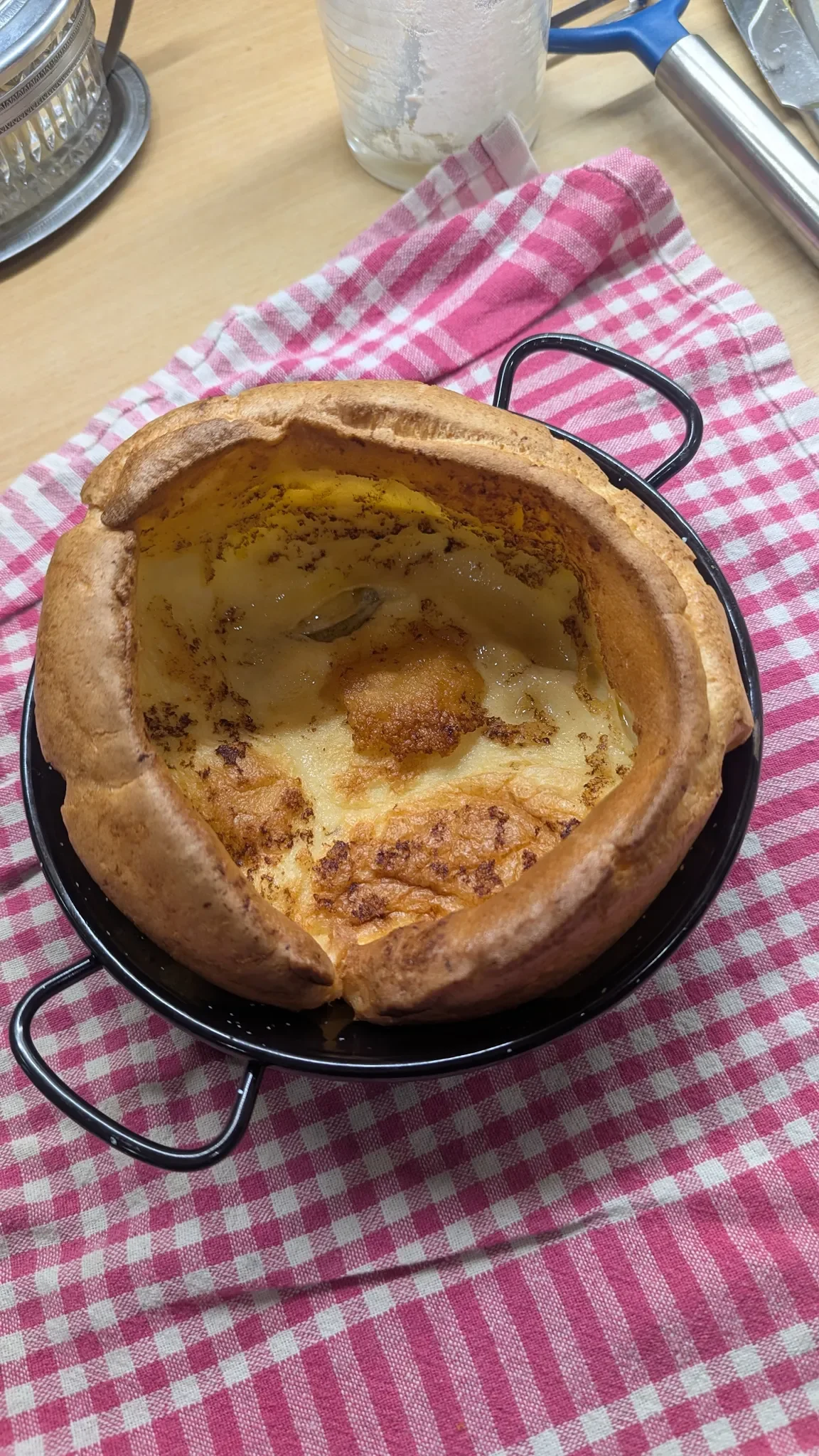
The Humble Yorkshire “Pud”
What strikes me most is how naturally Yorkshire pudding would sit in a Bosnian kitchen. Flour, eggs, milk, fat, heat, none of that feels foreign.
The method also feels familiar: get the fat properly hot, trust the oven, do not fuss too much, and accept that every household will have its own opinion.
And of course, there would be opinions.
How much fat is enough? Should it be crisp all the way through or soft in the middle? Should it be served first, with gravy, or piled proudly beside the meat?
These are not just cooking questions. They are memory questions.
There is no evidence that Yorkshire pudding travelled east, or that Balkan batter dishes travelled west.
But food history is not always about movement. Sometimes it is about people, in different places, finding similar answers to similar needs.
Flour.
Fat.
Heat.
Different names.
Same human reassurance.
Whether in Yorkshire or the Western Balkans, the promise is beautifully simple:
You will be fed today.
Interested in starting your own podcast later in life?
My self-paced course for late creators is here:
https://www.anenglishmaninthebalkans.com/course/welcome-to-start-with-your-voice
Thanks for listening. If you enjoy slow, thoughtful stories from Bosnia and Herzegovina, please subscribe for more from my life here in the Balkans.