When Bosnia Burns
Heatwaves, Fire, and Rural Life Under Pressure
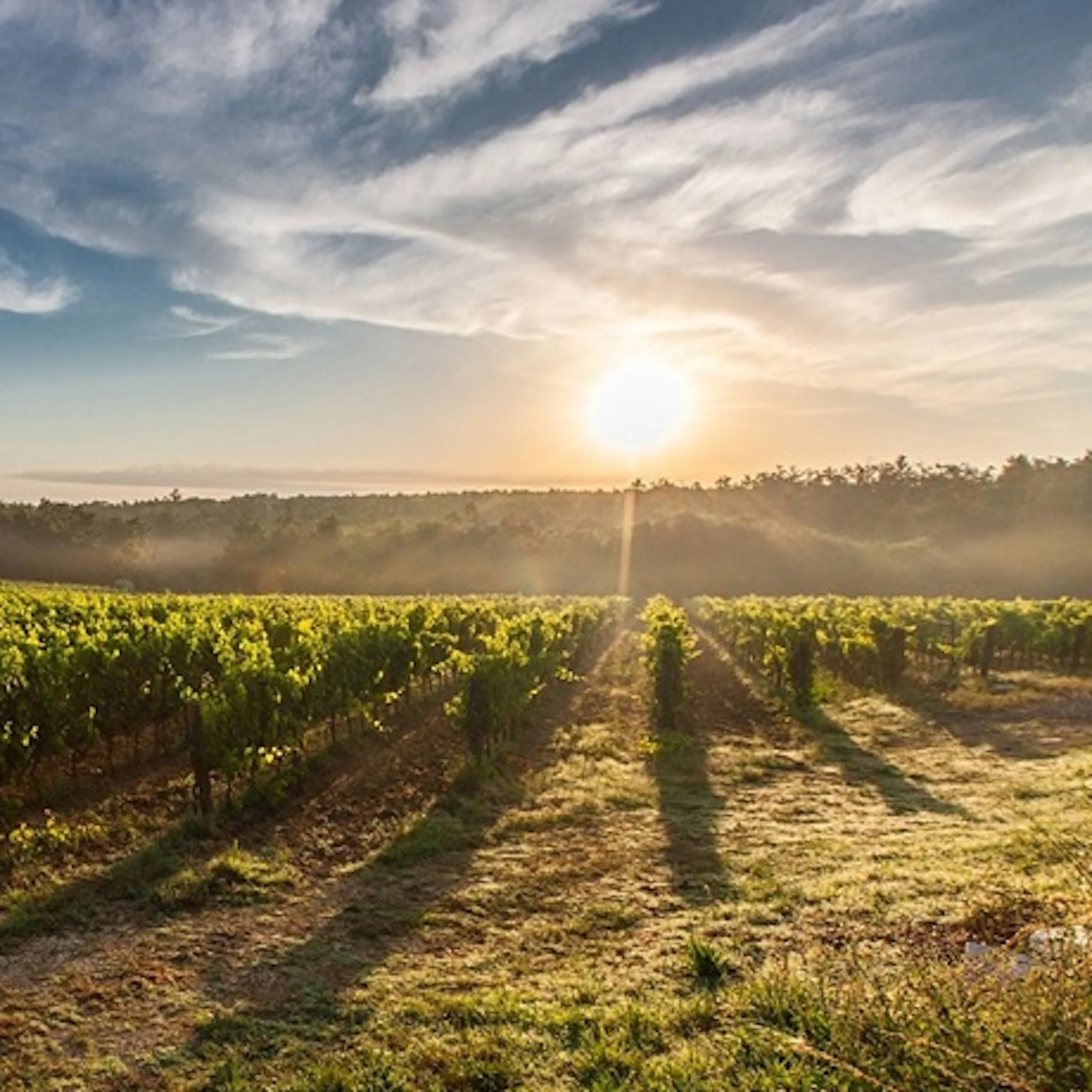
Our Village at +37C
In this post I want to talk about something that is not really a travel story and well it's not really a village life story but in a way it is but it is very much part of life here in Bosnia and Herzegovina at the moment. It's the weather and I don't mean it's a bit warm in it. I mean extreme heat. The kind of heat that changes the rhythm of a day. The kind of heat where people go out early, hide indoors by lunchtime, like now and
And only start moving again when the sun drops behind the hills. Across Bosnia and Herzegovina, we're seeing temperatures pushing up towards forty degrees. Orange weather warnings have been issued, and the advice is simple enough. Stay out of the sun, drink water, look after children, older people, and anyone with health problems. But of course, life is never quite that simple. Because here, especially in rural Bosnia,
People still have animals to feed, gardens to water, crops to protect, elderly relatives to check on, and often no easy way to just stay cool. In places like Mostar, the heat has been made worse by fire. The fire around the Ubarok landfill became serious enough for the city to declare an emergency. That's not just a fire problem, that becomes an air quality problem, a public health problem, and yet another reminder of what happens is
When longstanding local issues meet extreme weather. In Blidinje National Park, firefighters have also been dealing with forest fires, and anyone who knows Bosnia knows how difficult that terrain can be. This is not flat, easy land. Once fire gets into the mountain or forest areas, it can be extremely hard to control. And here in the Laktaši area, north of Banyaluka, where we are, the issue feels a little different, but no less real.
We might not be seeing the same dramatic headlines every day, but the pressure is there. The ground dries, the village is worrying about water, electricity demand is rising as people use air conditioning, and by the way we've had three power outages this morning, so I hope it lasts while I'm recording this episode. Our rural roads are shimmering in the heat, and people who normally work outside simply can't work in the same way.
And this is where Bosnia's complicated structure comes into the story. Bosnia and Herzegovina is not a simple country administratively. We've got the state level, the two entities, that's the Federation and Republika Srpska. We've also got Brčko district. We have cantons inside the Federation, municipalities, and cities, civil protection bodies, public utility companies, health centres, fire brigades, and local communities. Sometimes that
What seems complicated local structure actually helps. A municipality or an opstina knows its own people, it knows which village roads are difficult, it knows where the elderly live alone, it knows which water systems are fragile, it also knows where fires are likely to start. And in places like Laktaši that local knowledge matters. A central office far away can't always understand what a rural community needs at three o'clock on a thirty nine degree afternoon.
But let's tell it as it really is. This system can also be slow. Too many layers can mean too many officials, too many responsibilities shared on paper and not always enough clear action on the ground. One level issues a warning, another is responsible for health advice, another deals with the water, another with the fire response, and another waits for funding. Meanwhile, the person in a village just wants to know will there be water? Will someone check on my elderly neighbour?
And who do I call if smoke appears on the hill? That is the real test. Not whether a warning has been issued, not whether a document exists, but whether support reaches people in time. And rural communities are often the most exposed. They're older, more spread out, more dependent on local water, local roads, local neighbours, and practical common sense. In a city, you may have a pharmacy, a clinic, a shop, and a calling space nearby. In a village, you
Especially if you don't drive, heat can become isolating very quickly. But this is also where Bosnia shows one of its strengths. People notice each other. Neighbours check who's been seen that morning, families call, someone brings water, someone helps move the animals, someone knows which elderly person is alone. Someone phones the local fire brigade before a small fire becomes something worse. That informal safety net isn't perfect.
It should never replace proper planning, proper investment and proper emergency support. But it's real, and in moments like this it matters. So perhaps the positive note is this. Bosnia and Herzegovina already has something many countries are trying to rebuild, and that is local connection. The challenge now is to join that human connection with better systems, clearer warnings, better rural water planning, stronger fire prevention, and more support for health centres.
More practical help for those older people and isolated villages. Less waiting until something becomes a crisis. Because this weather is not a one-off inconvenience anymore. It's part of the future we're all moving into. And here in Bosnia, as always, the answer will probably not come from one grand plan alone. It'll come from the municipality that knows its villages, the firefighter who knows that hill, the health worker who knows the vulnerable households.
neighbour who notices the curtains haven't opened. And maybe that's the lesson. Extreme weather shows us where the cracks are, but it also shows us what still holds.
Interested in starting your own podcast later in life?
My self-paced course for late creators is here:
https://www.anenglishmaninthebalkans.com/course/welcome-to-start-with-your-voice
Thanks for listening. If you enjoy slow, thoughtful stories from Bosnia and Herzegovina, please subscribe for more from my life here in the Balkans.