Why Do Foreigners Think They're Locals?
After living in Bosnia since 1998, I reflect on expat life, belonging, cultural identity and whether foreigners can ever truly live like locals.
Something I read recently on Substack got me thinking. It was questioning a claim you often hear from people who've moved abroad:
"I don't live like an expat. I live like a local."
Really? What exactly does that mean?
I've lived in Bosnia and Herzegovina since 1998. That's considerably longer than I ever imagined when I first arrived here. And yet, after all those years, I've never really claimed to live like a local.
I just live here.
Perhaps there's quite an important difference.
What Makes Someone a Local?
Is being a local about where you were born? Speaking the language perfectly? Having generations of family history in the same village?
Or is it simply about living somewhere, knowing your neighbours, sharing ordinary experiences, and gradually becoming part of a community?
Here in Bosnia, I know people who've spent much of their working lives in Germany, Austria or Switzerland before returning home. Some have foreign pensions and considerably more disposable income than their neighbours.
Does that make them any less Bosnian?
Of course not.
Which makes me wonder why we sometimes apply different standards to foreigners.
The Reality of Living Abroad
I receive a pension from Britain, and I'm very conscious that my financial circumstances aren't the same as those of many people around me.
Something I consider affordable might be a considerable expense for a family surviving on local wages.
That distinction matters.
But acknowledging those differences doesn't mean my everyday life here is somehow less genuine.
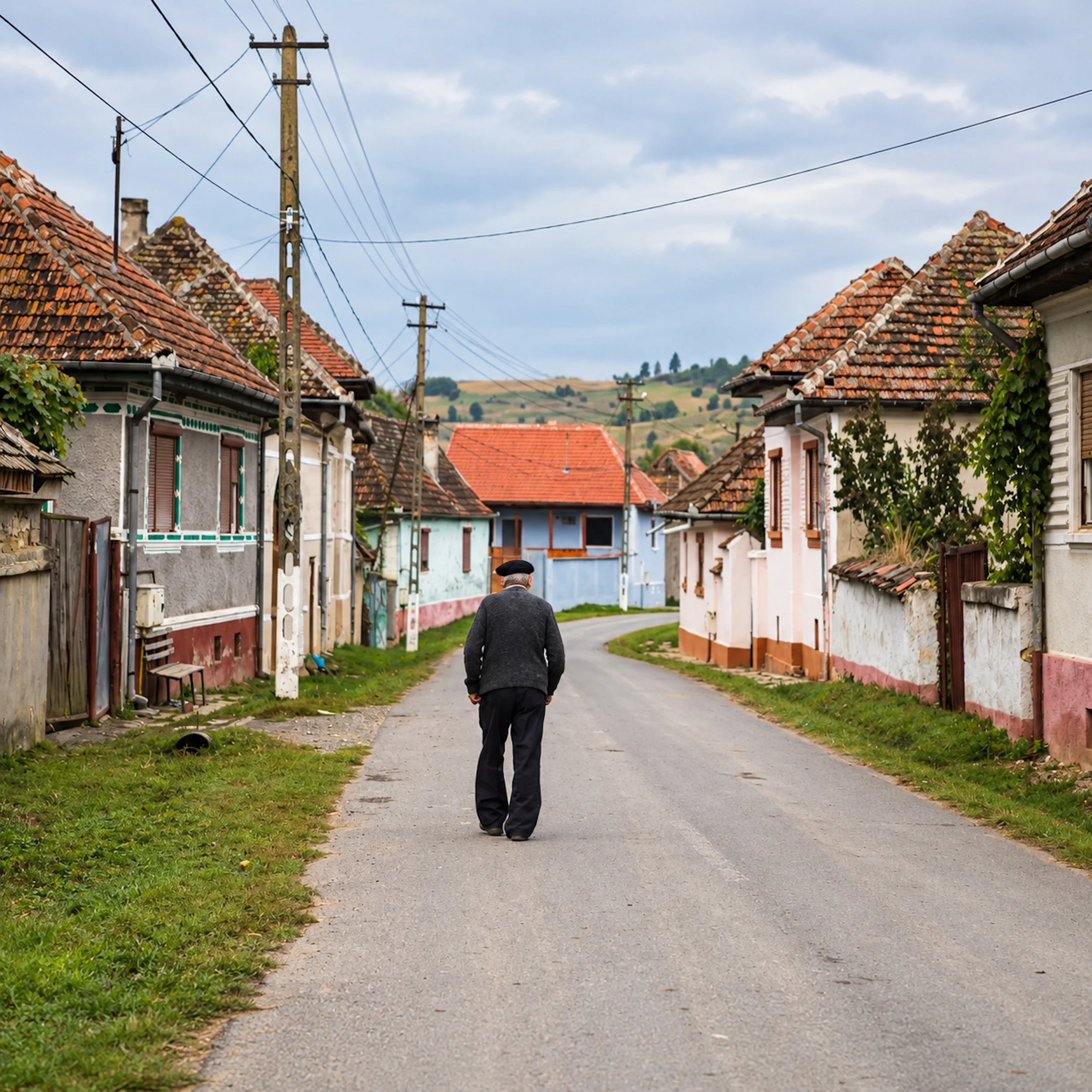
Tamara and I live in a small village near Laktaši. It's not an international community or an expat enclave.
It's simply a Bosnian village.
There are gardens to look after, neighbours to greet, wood to prepare for winter, and all the ordinary things that make up daily life.
My Bosnian language skills are still embarrassingly limited. Conversations sometimes involve a great deal of smiling, improvisation and probably some spectacular grammatical mistakes.
But people know me. I know them.
And that seems to work.
Belonging Isn't a Competition
I've occasionally encountered foreigners who seem determined to demonstrate just how thoroughly they've integrated.
They only eat local food. They avoid other foreigners. They've apparently abandoned everything associated with their home country.
That's absolutely fine if it makes them happy.
But why should belonging require us to erase who we were before?
I still enjoy Marmite on toast. I follow events in Britain, although sometimes I wonder why I bother. And there are things about British life I'll always miss.
None of that prevents Bosnia from being home.
So Where Is Home?
People occasionally ask whether I'll ever move back to Britain.
It's an interesting word, back.
Because it assumes Britain is still the place I'm supposed to return to.
But my life is here now. My wife, my friendships, my familiar roads and the changing seasons of our village.
I'm British. I'm not pretending to be Bosnian.
And after nearly three decades, I've realised something.
Perhaps belonging isn't about becoming a local. Perhaps it's about being accepted for who you are.
You can't demand that acceptance. It develops through relationships, shared experiences and time.
So, can a foreigner ever truly live like a local?
I honestly don't know.
And increasingly, I'm not sure it's even the right question.
I just live here.
And for me, that's more than enough.