An autumn update from our little corner of Bosnia, with a hospital stay approaching, a rather good discovery by the roadside, and thoughts of two Christmases.
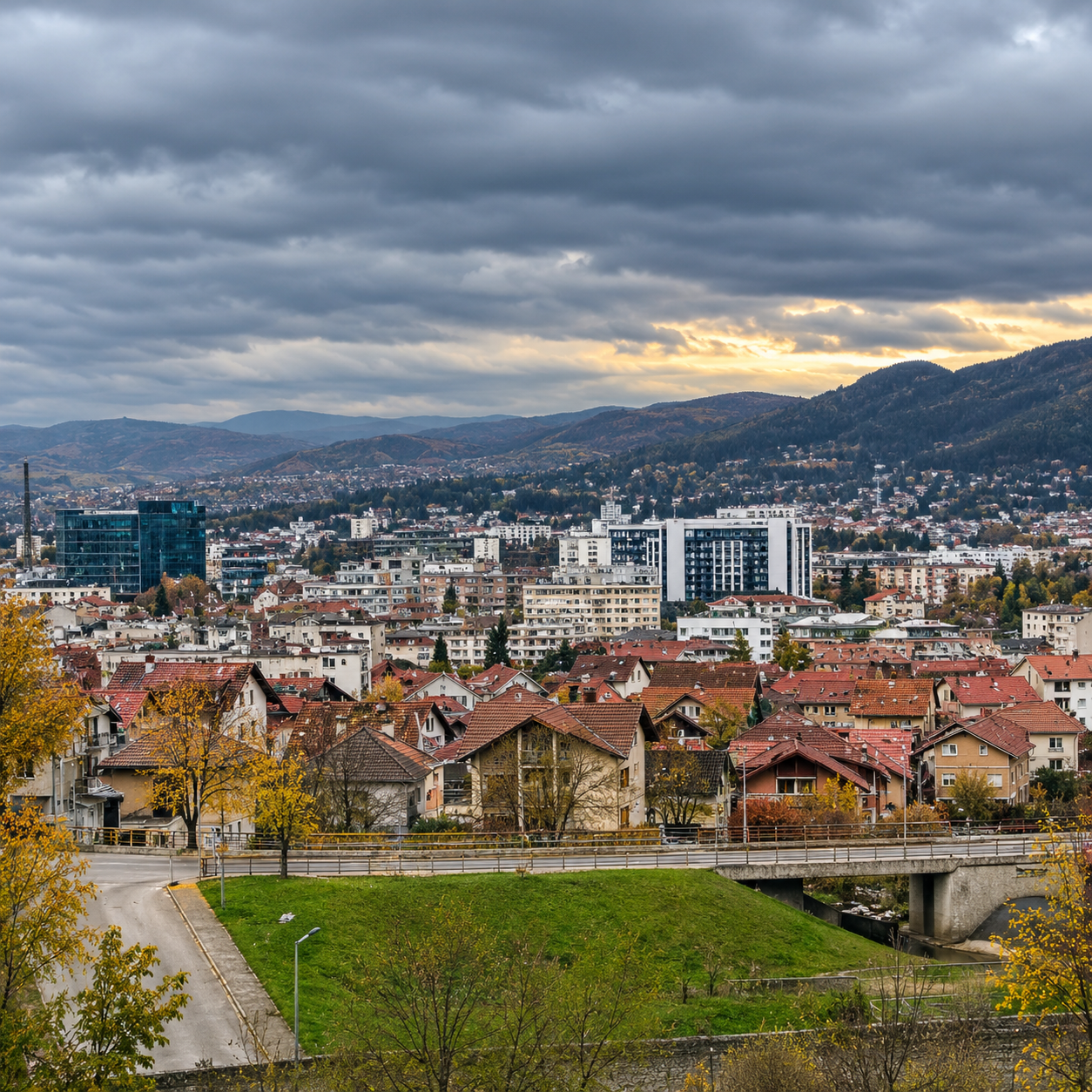
Overlooking Banja Luka from the Hospital car park
Hello again from the northwest of Bosnia and Herzegovina, and welcome to another Sunday Edition.
Well, autumn has certainly arrived. The weather has turned decidedly miserable. Grey, oppressive skies, rain that seems to go on forever, and some rather strong winds rattling around the village at night.
The leaves are falling everywhere, and those lovely autumn colours we’ve been enjoying are slowly disappearing. It’s all a bit meh, really.
But life carries on here in our little corner of Bosnia, and there’s quite a bit to tell you about this week.
The hospital update (and hopefully the last one for a while)
First of all, thank you.
I was genuinely touched by the number of comments and messages I received after last Sunday’s edition, when I told you about my forthcoming operation to remove my right kidney. Some of you commented here on Substack, others contacted me privately, and I really do appreciate every single message.
I don’t want these Sunday Editions to become a running medical bulletin, but I did promise to keep you updated.
Last week, I thought I’d be going into hospital on Wednesday. Well, that didn’t happen.
The pre-operative checks have been rather more extensive than I’d anticipated, and there’s still one final appointment to get through. That’s on Tuesday morning at 8.15, at the University Clinical Centre in Banja Luka. It’s a very modern hospital overlooking the city, and I’ve been impressed by the care and attention I’ve received there.
Then, on Wednesday, I’m due to report to the ward on the seventh floor, sometime between 11 and midday. My assumption is that Wednesday afternoon will be spent getting settled in and prepared, with the operation taking place on Thursday. But, as we all know, assumptions can be dangerous things.
And yes, I’m a little apprehensive.
It’s a major operation, even if it’s one the surgical team is very familiar with.
I’ve been told to expect a few uncomfortable days afterwards, followed by a gradual return to getting up, moving around and eventually walking again.
The hospital stay should be around five days, although we’ll see how things go.
Afterwards, rather than returning straight to the village, Tamara and I will temporarily move into her parents’ flat in central Banja Luka. It’s much closer to the hospital and the local health centre, where I’ll need to have my dressings changed.
Once that’s all finished, we’ll come home.
And then begins the long and winding road back to something resembling normality.
I’m already looking forward to getting out on my morning walks again. Those four-and-a-half kilometres around the village have become an important part of my life, and I certainly don’t intend to give them up permanently.
Although I may have to be a little less generous with the Marmite on my morning toast. Now that would be a sacrifice.
I’m hoping to write next Sunday’s edition from my hospital bed, using just my mobile phone.
I’ve done it before, when I wasn’t feeling particularly well during a visit to our hiking club in Zenica. I stretched out on one of the sofas in the clubhouse and put the whole thing together on my phone. So it can be done. But if I’m not feeling up to it, there simply won’t be an edition next Sunday.
I’m sure you’ll understand.
In the meantime, my life seems to revolve around making lists of things to take into hospital, then looking at those lists and making them smaller. Tamara will be visiting every day, so I don’t need to pack as though I’m going on an expedition.
A rather tasty discovery at Klašnice
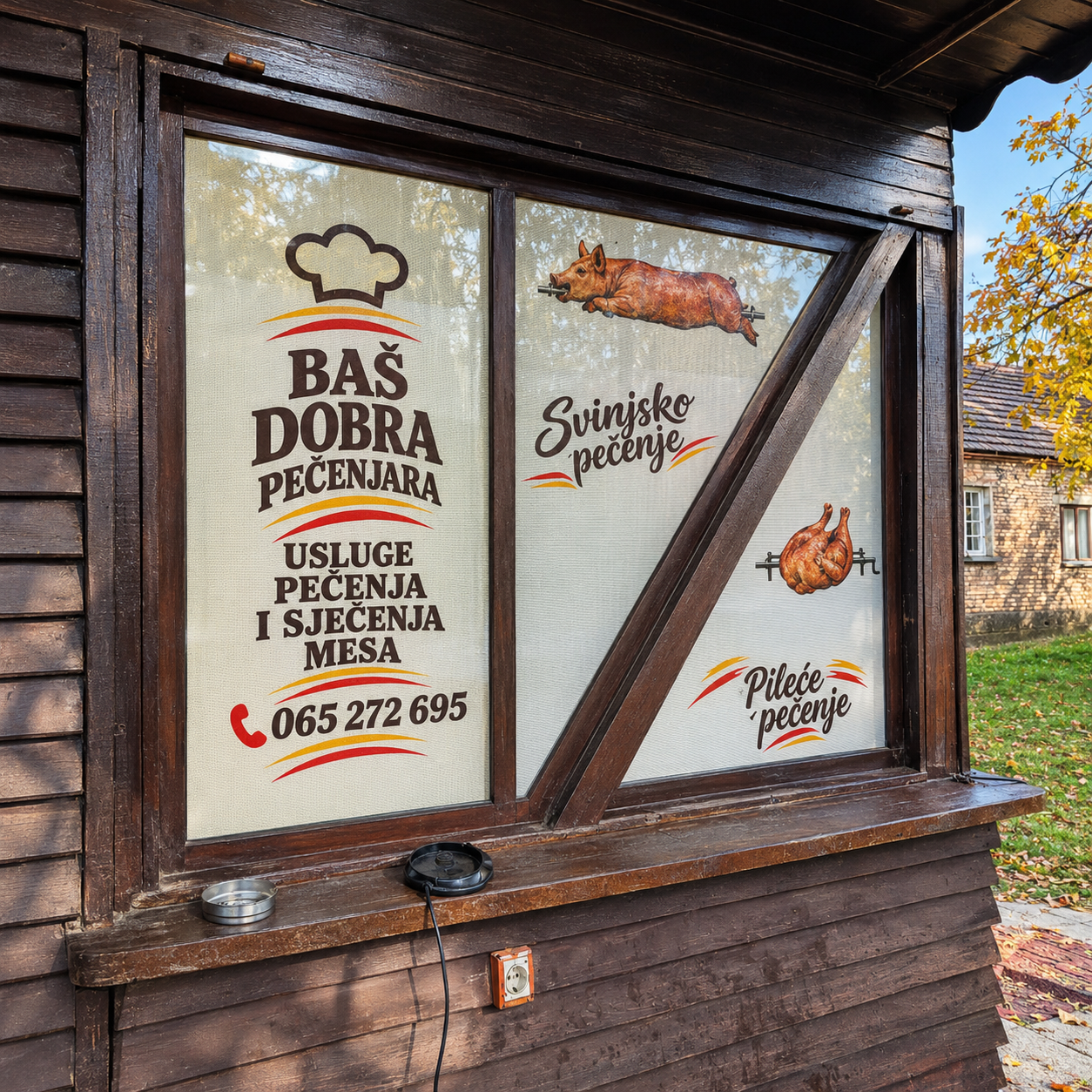
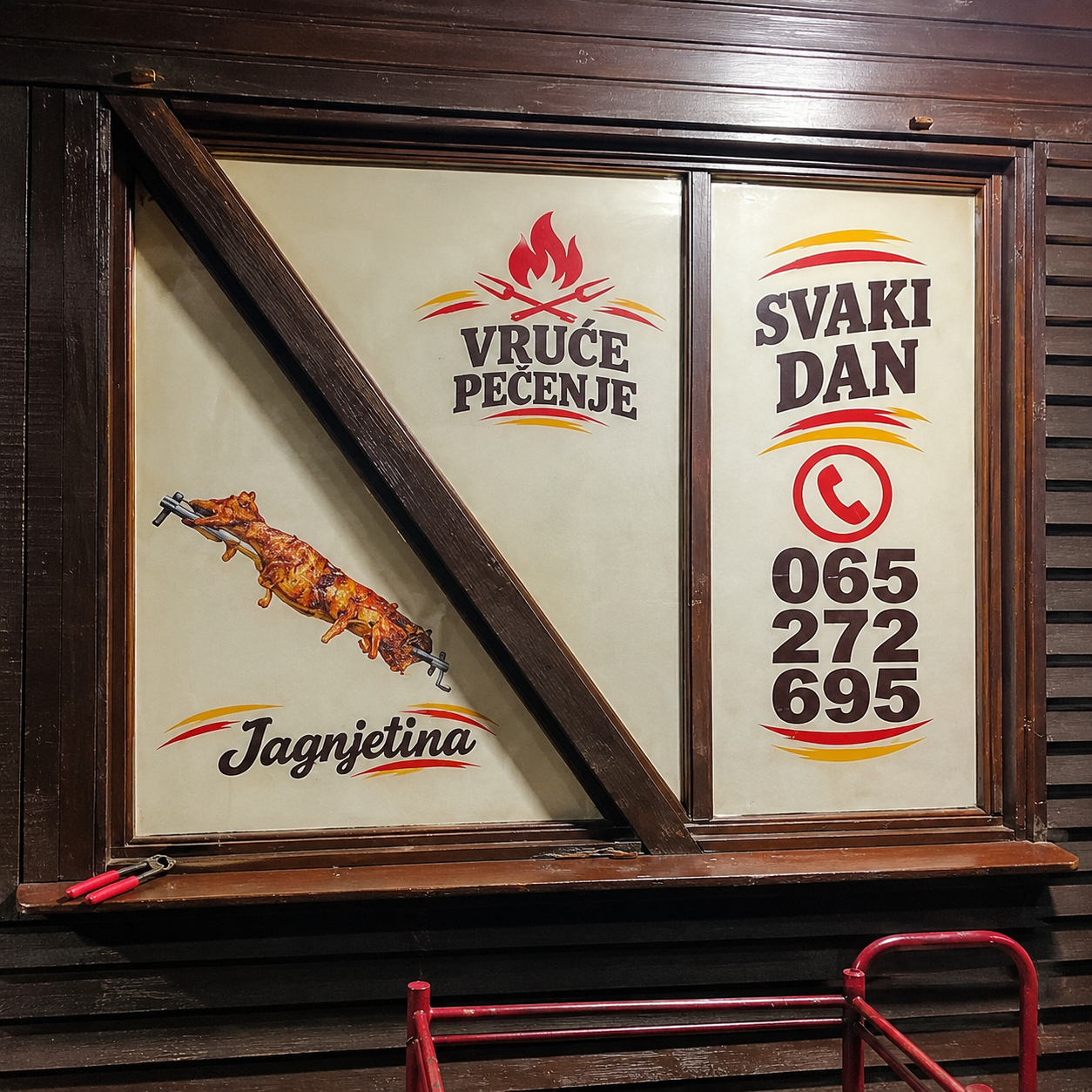
Now, on to something considerably more enjoyable.
Just a couple of kilometres from our village, at Klašnice, there’s a bridge that is known as the ”Banana Bridge”.
Nearby, there’s a small collection of shops, a very good bakery, a ćevapi place, and a little wooden roadside cabin. For years, people have sold cabbages and other produce from the space beside it.
But something new has appeared.
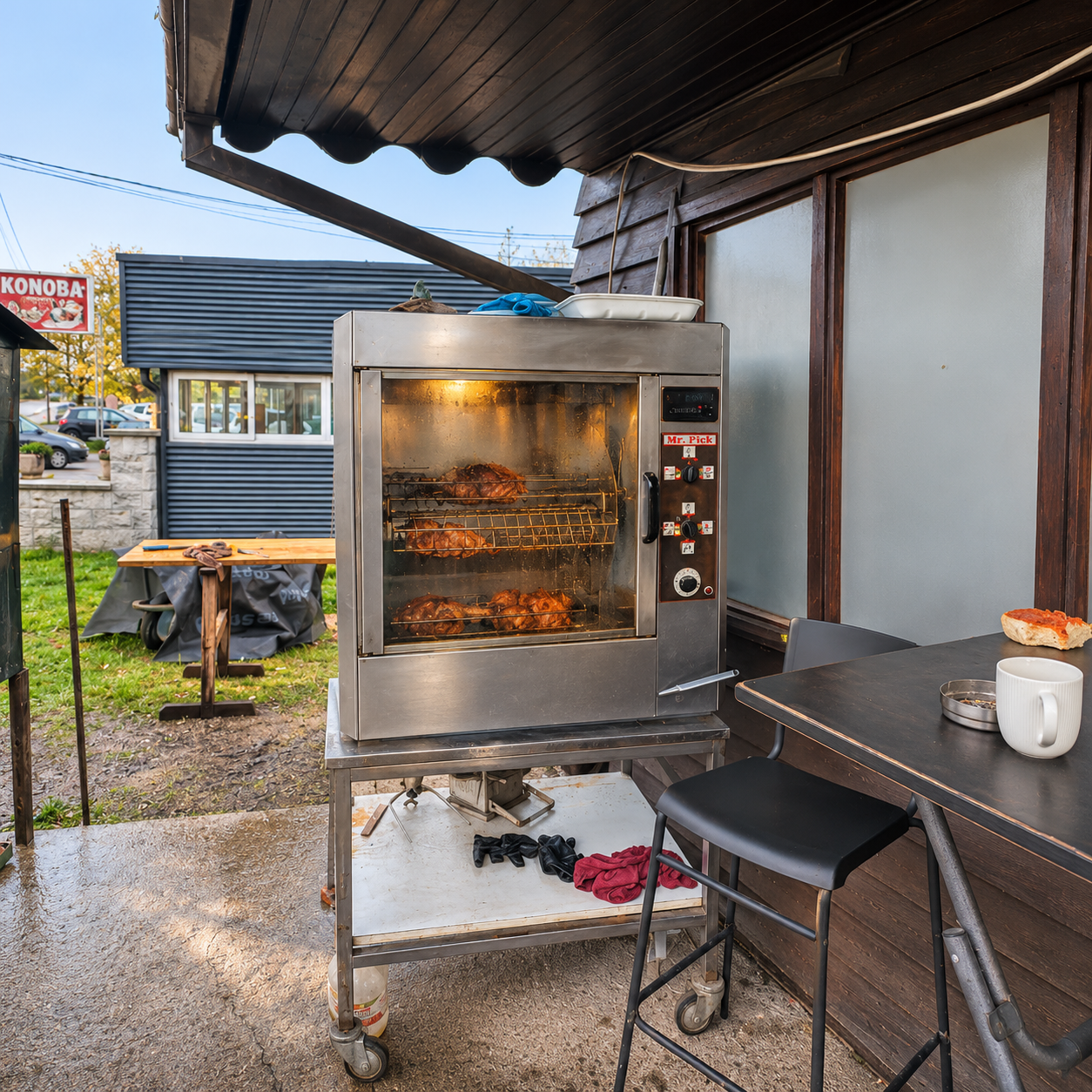
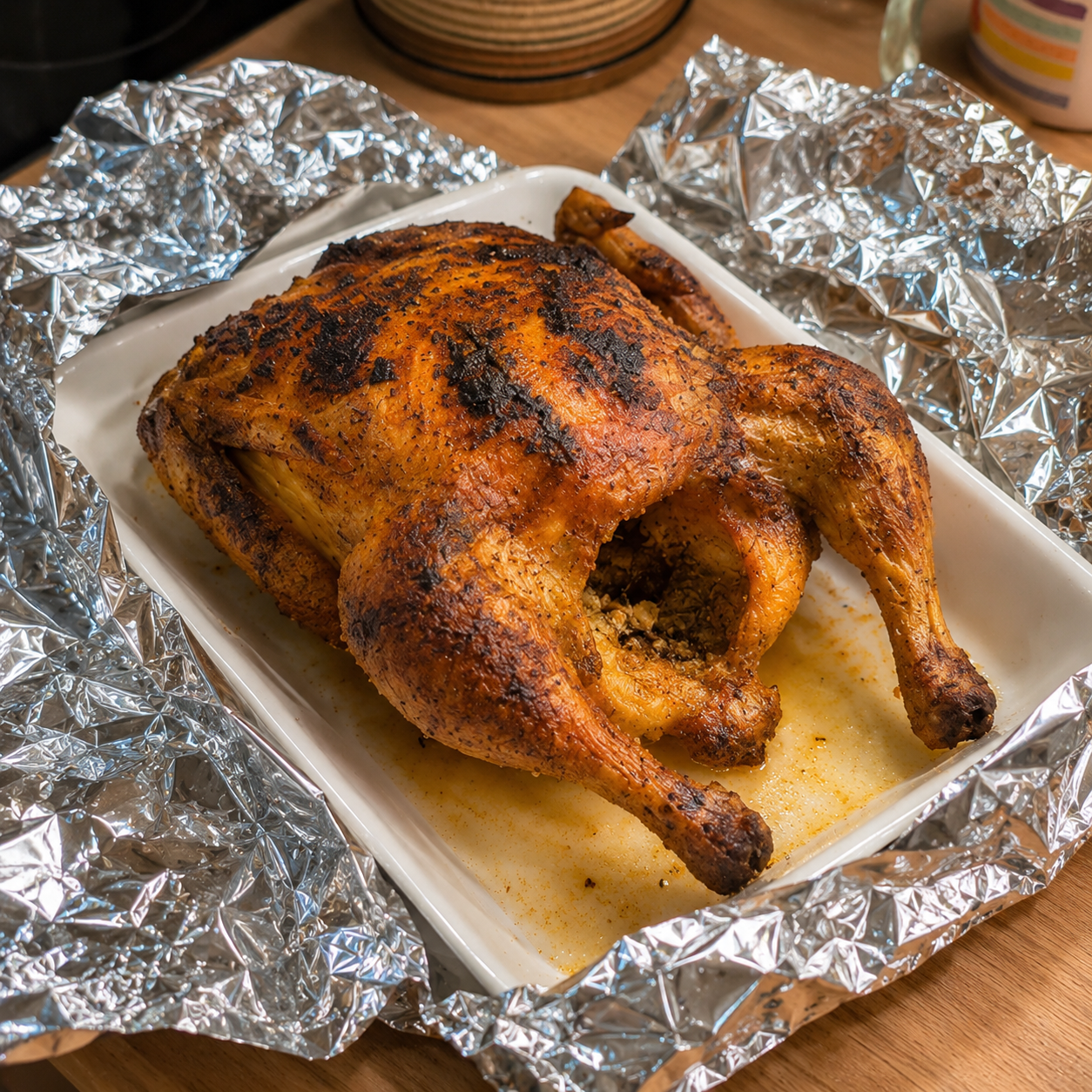
A little roadside business selling freshly spit-roasted meat. Chicken, pork, and on Saturdays, lamb. There’s a large spit slowly turning away, with meat carved off and sold by the kilo. They’ve also got a small rotisserie for whole chickens.
Well, we couldn’t resist. We stopped the other day, bought a chicken and brought it home. It was absolutely delicious. And reasonably priced, too.
I have no idea how long this little business will survive, but while it’s there, we’ll certainly be supporting it.
There’s something rather exciting about these small, independent roadside enterprises that pop up around Bosnia. Nothing fancy. No elaborate branding or marketing campaign. Just somebody preparing good food and selling it to people passing by. Which I think is sound, having said that if the country WAS to join the EU, these roadside enterprises would stop due to EU regulations.
When I’m back on my feet, I’ve already got my eye on some of that Saturday lamb. With mint sauce, naturally. Long-time readers will know that my fondness for mint sauce with roast lamb is regarded by some of our local friends as yet another example of the strange habits of the English.
Which brings me rather neatly to something else.
The Englishman and his odd socks
During one of my pre-operative appointments this week, I was being examined by an older doctor. I was lying on the examination couch with my shoes off, and I think he was checking my ankles for swelling. Suddenly, he turned to Tamara. “Did you know he’s wearing odd socks?”
Tamara barely hesitated. “Yes. He’s English.” And that was that. Apparently, being English is a perfectly adequate medical explanation for wearing mismatched socks. I’ve lost count of how many times people here have commented on them. It’s something that doesn’t seem particularly common in this part of Bosnia, and whenever somebody notices, they almost always mention it.
I rather enjoy these moments. They’re reminders that even after all these years of living here, there are still small cultural differences that make everyday life interesting.
And, of course, Tamara has become quite accustomed to explaining away her husband’s peculiarities.
Two Christmases to look forward to
Despite everything that’s happening at the moment, we’re already beginning to think about Christmas. Or rather, Christmases.
One of the advantages of our mixed British and Bosnian household is that we celebrate twice. My Christmas is on 25 December, and Tamara’s Orthodox Christmas is on 7 January.
Two Christmases.
Not a bad arrangement, really.
I suggested that perhaps we might give the English Christmas a miss this year, as I’m not entirely sure how energetic I’ll be feeling by then. Tamara wasn’t having any of it. “We must have Christmas.” So, apparently, Christmas is happening.
We’re already discussing what to cook, what to serve and how to organise everything without making too much work for ourselves. I suspect I’ll be doing more supervising than cooking this year. But that’s fine by me. It gives us something lovely to look forward to, and I think that’s important. Not everything in life should revolve around hospital appointments and recovery plans.
There should always be something enjoyable waiting around the corner.
Even if it’s just roast lamb with mint sauce.
Coming up on Tuesday’s podcast
This Tuesday, there’s another episode of An Englishman in the Balkans.
It does touch on my recent experiences with the healthcare system here, but from a rather different angle.
I’ve been thinking about something.
How on earth would I have managed all of this without Tamara?
From the first doctor’s appointment, through the tests, scans, consultations and hospital administration, she’s been beside me. Translating, explaining, asking questions and helping me navigate a system that, despite my many years living here, I would struggle to manage on my own.
My Bosnian is adequate for everyday life, but medical terminology is another matter altogether. And it made me wonder about other foreigners who decide to settle in Bosnia and Herzegovina.
We talk a lot about the beauty of the country, the cost of living, the hospitality and the slower pace of life. But what happens when you become seriously ill? What if you don’t have a local partner or family member to help you through the system?
It’s something I think deserves a little more attention. So that’s what I’ll be talking about on Tuesday.
Not so much about my operation, but about one of the practical realities of making your home in another country.
And finally, a word of thanks
Before I go, I want to say how pleased I am with the little community that’s developing around these Sunday Editions and the podcast.
The number of people following along on Substack continues to grow, as does the number of you who actually open and read these weekly letters. But what gives me the greatest pleasure is the conversation. The comments, the personal experiences you share, and the feeling that we’re gradually getting to know one another.
That’s worth far more to me than simply watching numbers increase.
I’m already thinking about 2027 and how I can make these letters and the podcast even more interesting and enjoyable for you. And I’d really appreciate your help with that.
What would you like to hear or read more about?
Perhaps there’s something about life in Bosnia and Herzegovina that you’ve always wondered about. Or something about growing older, living abroad, the people we meet, or simply the everyday experiences of life in this beautiful, much-misunderstood country.
Do leave a comment and tell me.
After all, I don’t want this to be just my story.
I’d like it to be a conversation built around the things that interest us all.
Right, that’s enough from me for another week.
There’s a hospital bag to finish packing, a few more things to organise, and probably another list to shorten. Hopefully, the next time I write to you, I’ll be on the other side of the operation and beginning that long road back.
Until then, from both Tamara and me, thank you for being here.
Stay safe, wherever you are in the world.
Vidimo se!
David