Rain, Pita, and Spomeniks
A Conversation with Jennie Blythe
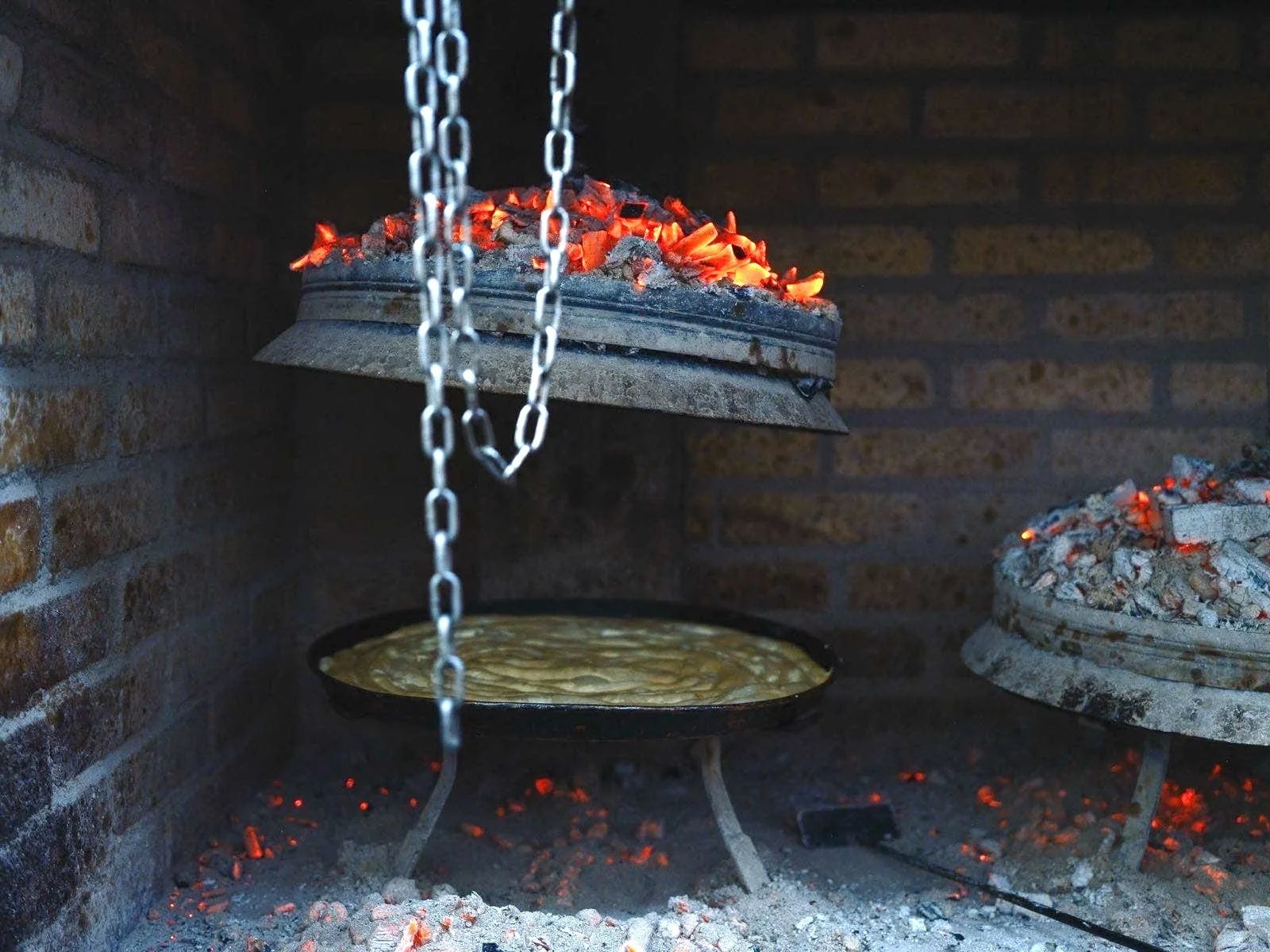
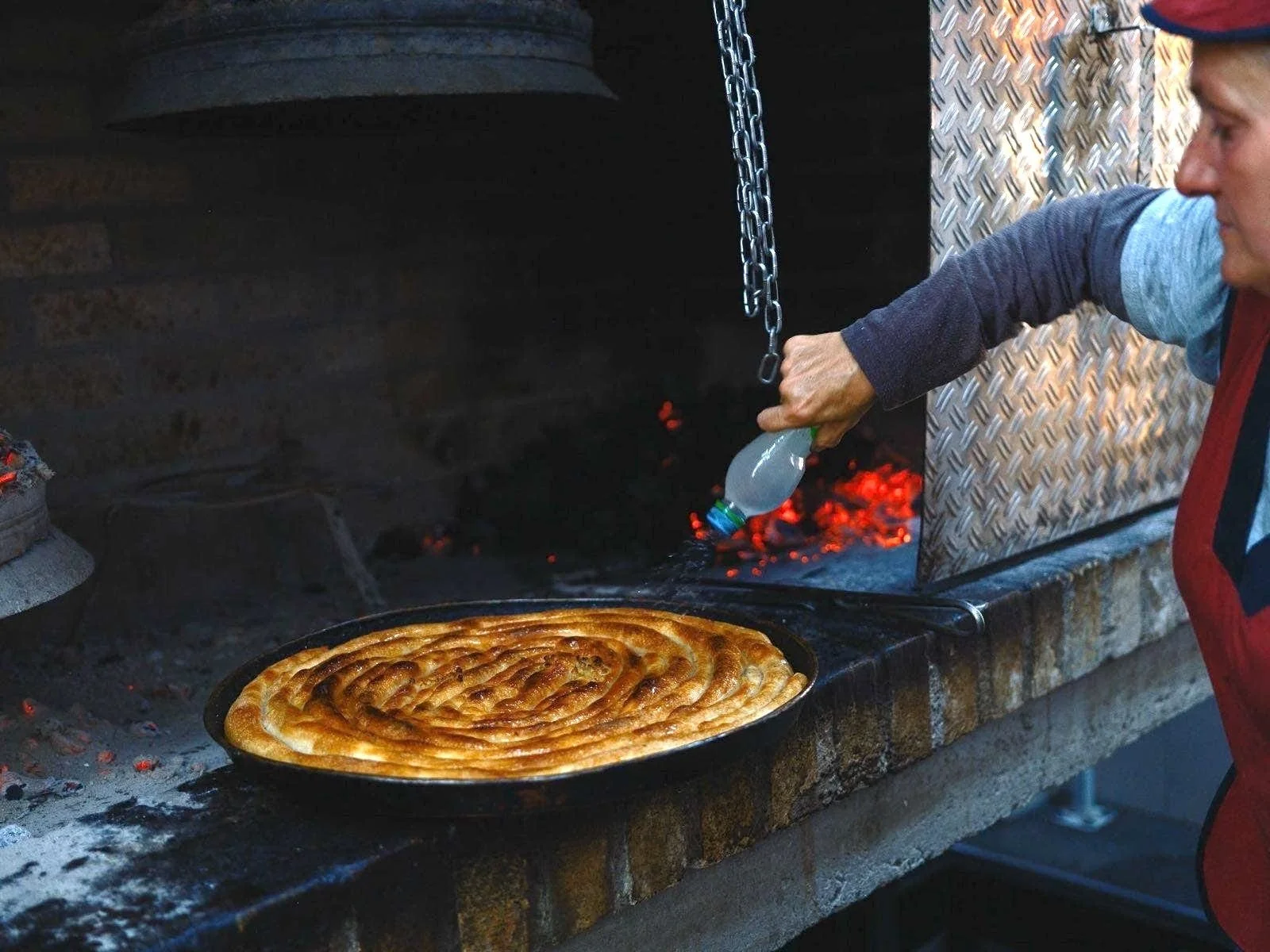
There’s something about sharing a meal when you first meet someone in real life. It softens the edges, slows the pace, and creates space for proper conversation.
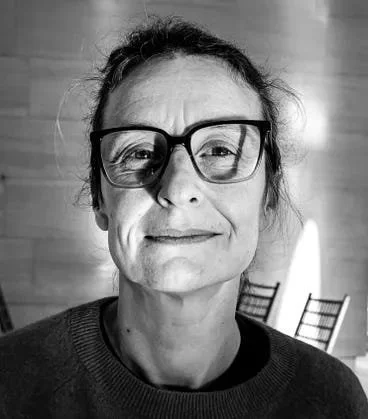
Jennie Blythe
That’s exactly how I met Jennie Blythe, a photographer, writer, and fellow Substacker, during her recent trip to Bosnia and Herzegovina. We’d been corresponding online for a while, both fascinated by the Western Balkans, but this was the first time we’d sat across a table together.
The setting? A small, tucked-away spot in Banja Luka, known for serving pita baked under the sač. Not long after we arrived, the heavens opened. Rain hammered down against the windows, turning the street outside into a mirror. Inside, it only made the atmosphere warmer: steaming food, chatter at the other tables, and two Substackers swapping stories.
First Impressions of Banja Luka
Jennie has visited Bosnia several times before – Sarajevo, Mostar, the waterfalls of Jajce, but this was her first time in Banja Luka.
She smiled as she told me how the city struck her. Bigger than expected. Cleaner, more modern. And her walk up to the Spomenik on Ban Brdo the evening before had given her a taste of the local rhythm: families and joggers making the climb, enjoying the cooler air at sunset.
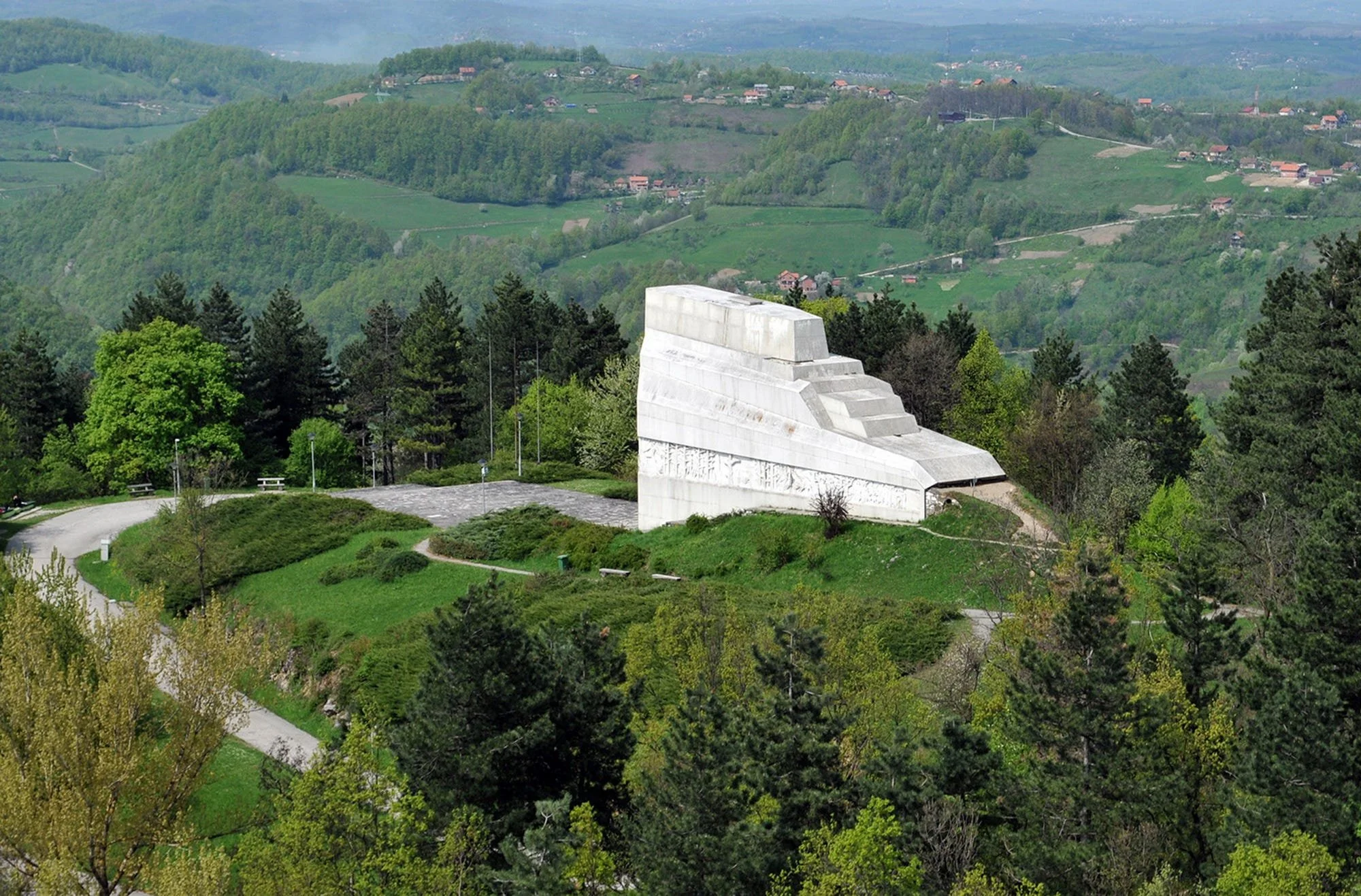
Ban Brdo -Spomenik
That monument is something else. Tito is said to have considered it one of the greatest of all the Spomeniks built across Yugoslavia. Jennie described it as almost “Egyptian,” with its heavy, mausoleum-like structure and headless sphinx shapes. She had noticed the stark reliefs carved into the stone, depictions of violence so graphic they took her aback. Later, she learned those weren’t abstract images. They told real stories of what happened in this region during the Second World War.
Drawn to the Balkans
I wanted to know what had pulled Jennie here in the first place. After all, she’s based in the UK, with a career background in IT and e-commerce.
Her answer was simple and honest. She studied French and history at university, and that love of languages and the past never left her. When she first visited Slovenia a decade ago, she felt something, “an atmosphere, a creativity”, and it kept calling her back.
For Jennie, the region is more than its wars. Yes, she’s academically interested in the study of genocide, but not in the mechanics of violence. She wants to understand why it happens, what political and psychological forces drive people there. And yet, when she speaks of Bosnia, she lights up at the things that have nothing to do with conflict: the warmth of its people, the countryside, and the feeling of stepping back to a gentler time.
A Photographer’s Eye
Jennie is a professional photographer, and it was fascinating to hear how she sees the world.
“Every photographer has their own way of noticing,” she told me. For her, it’s often small, telling details, a Spomenik on a street corner, a curve of architecture, or even the posture of older men whose hunched shoulders bear the weight of trauma.
She does practice street photography, but always with respect. “It comes down to why you’re taking the photo,” she said. Not to mock, not to exploit, but to capture a story. In nearly ten years she’s only been shouted at three times — proof that people here are more bemused than bothered.
The Slow Burn of Substack
Of course, we had to talk about Substack. It’s where we first connected. For Jennie, the platform has reignited her creative writing after years of focusing on her career.
Instagram, she said, is “fire-and-forget”, great for a quick hit, but not for building narratives. Substack, on the other hand, is slower, steadier, and more rewarding. She’s gathered a loyal community of readers who share her curiosity about the Balkans, even if friends back home in England think she’s “batshit crazy” for her obsession.
Looking Ahead
By the time we finished our meal, the rain outside had eased into a fine drizzle. Jennie spoke of her dream of one day owning a stone house here, by a stream, where she could bring her cats and spend her time writing and photographing.
I smiled. Bosnia has that effect on people. It creeps into your imagination until, sooner or later, you can’t help but dream of staying.
Closing Thoughts
If you’d like to explore more of Jennie’s work, I’d encourage you to subscribe to her Substack. You’ll find a link below.
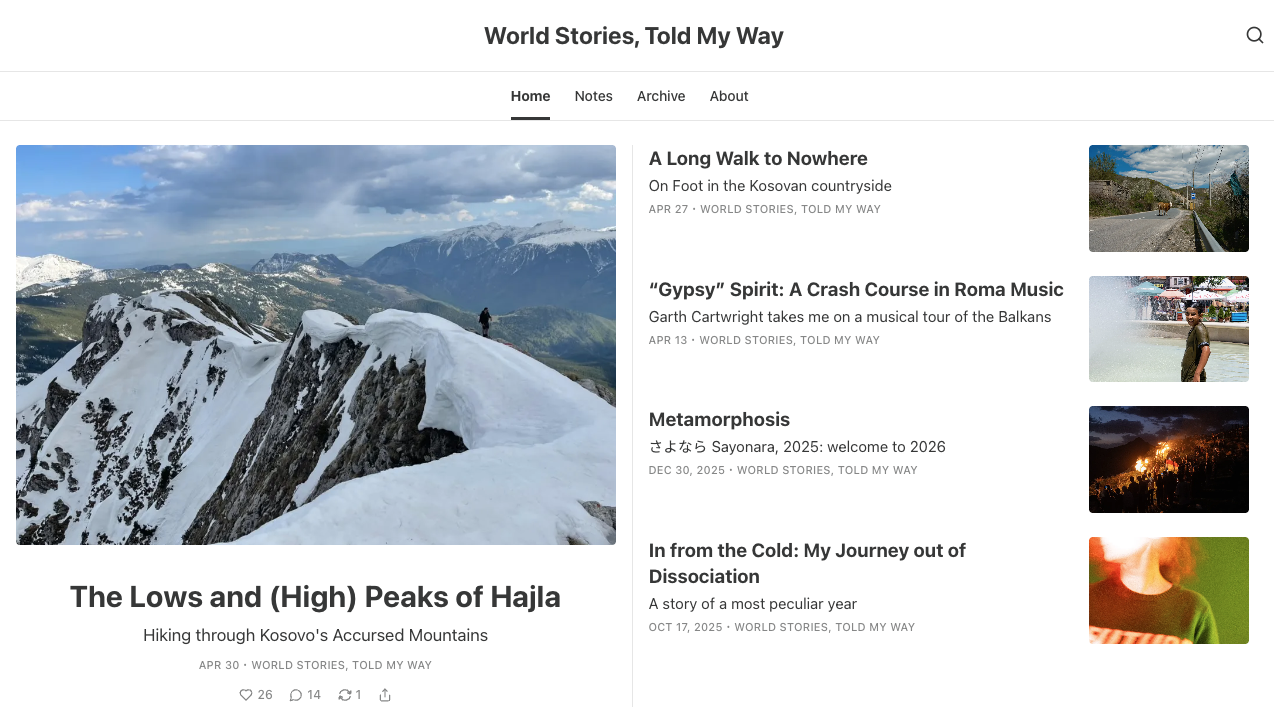
CLICK ON THE IMAGE TO GET DIRECTED TO JENNIE’S SUBSTACK