Learning to Make Bosnian Baklava
A Kitchen Conversation from Bosnia and Herzegovina
Some of my favourite podcast episodes aren’t planned.
They’re the ones that begin with an ordinary moment and end up revealing something much deeper about life here in Bosnia and Herzegovina.
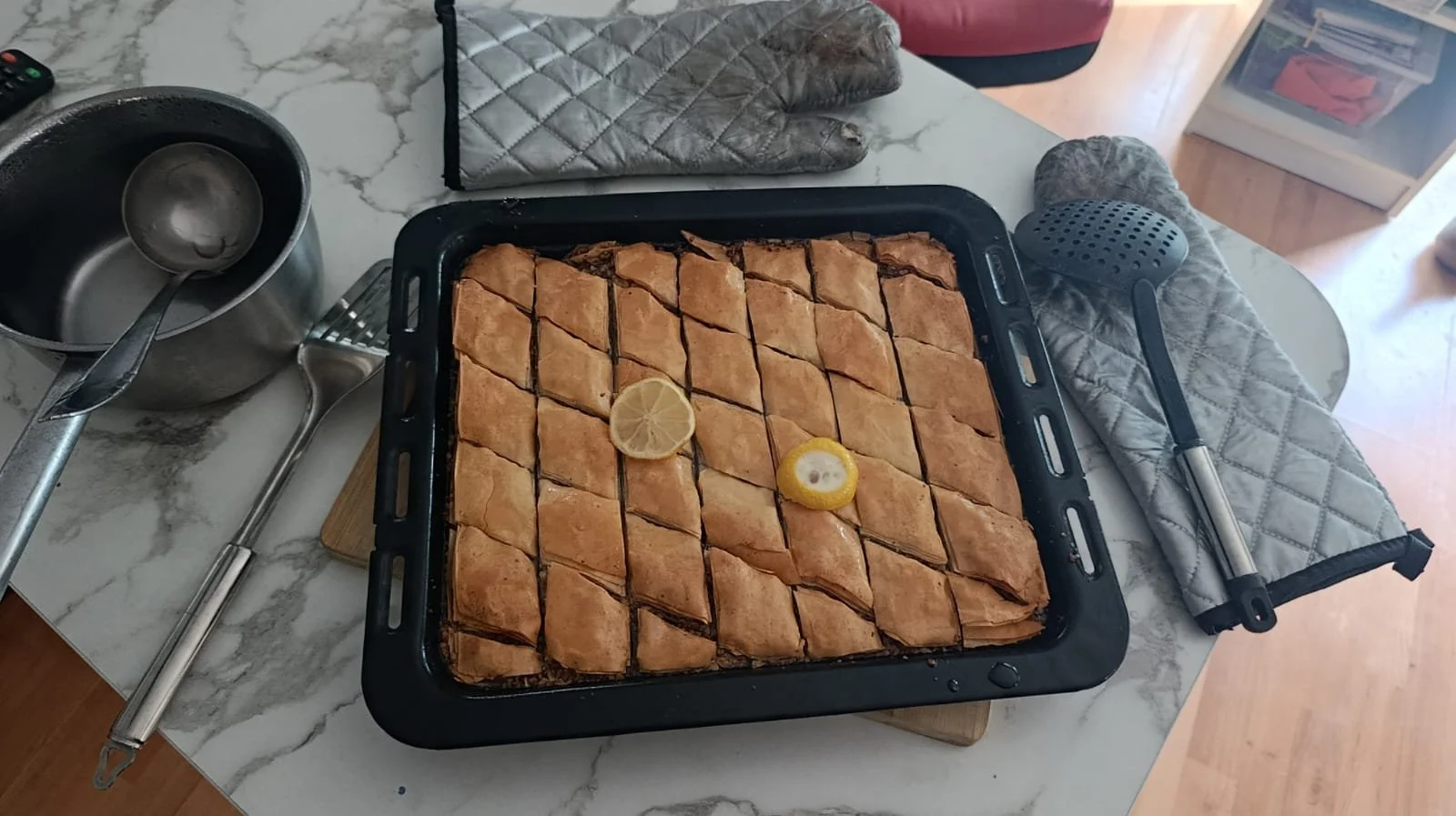
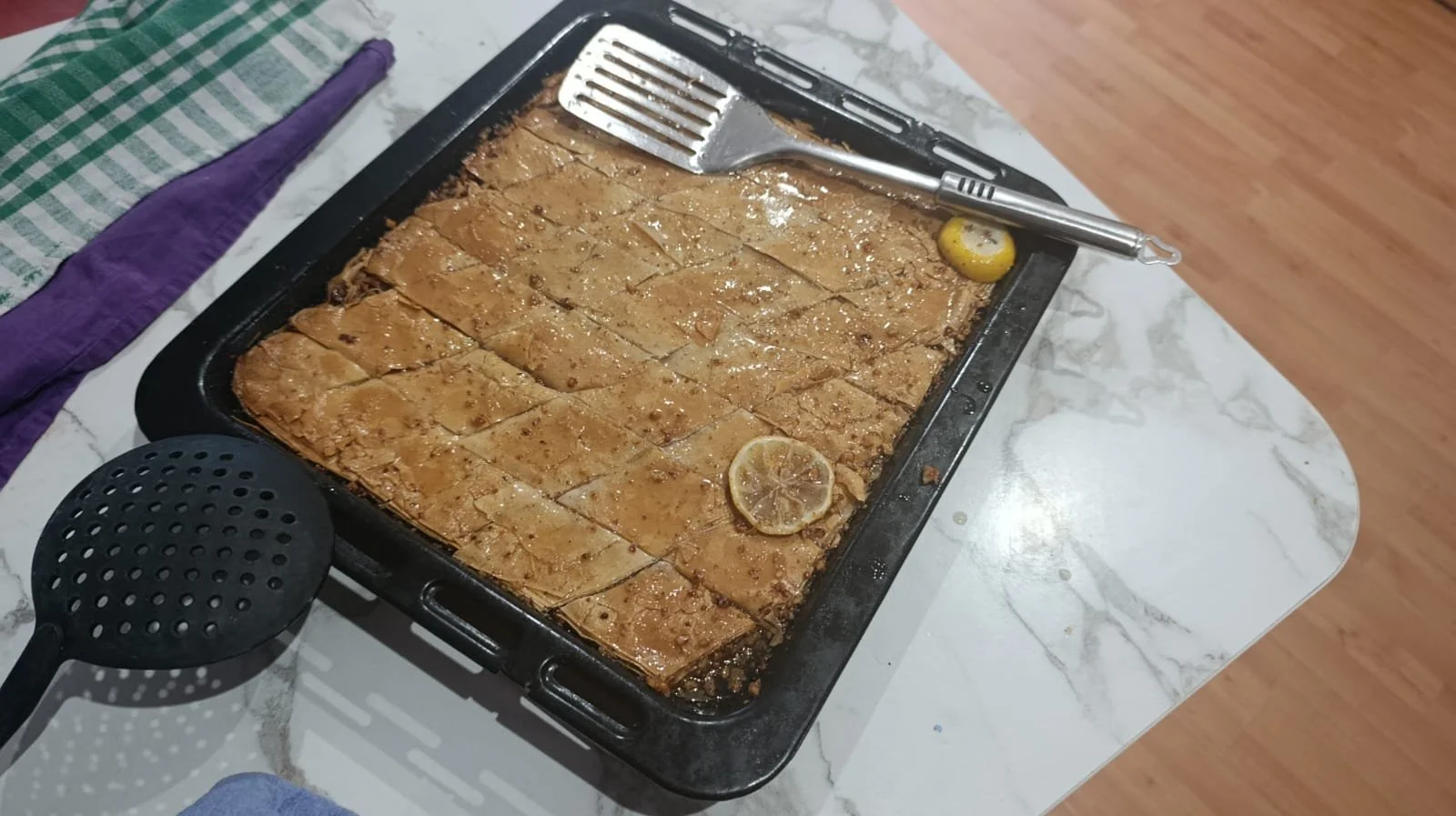
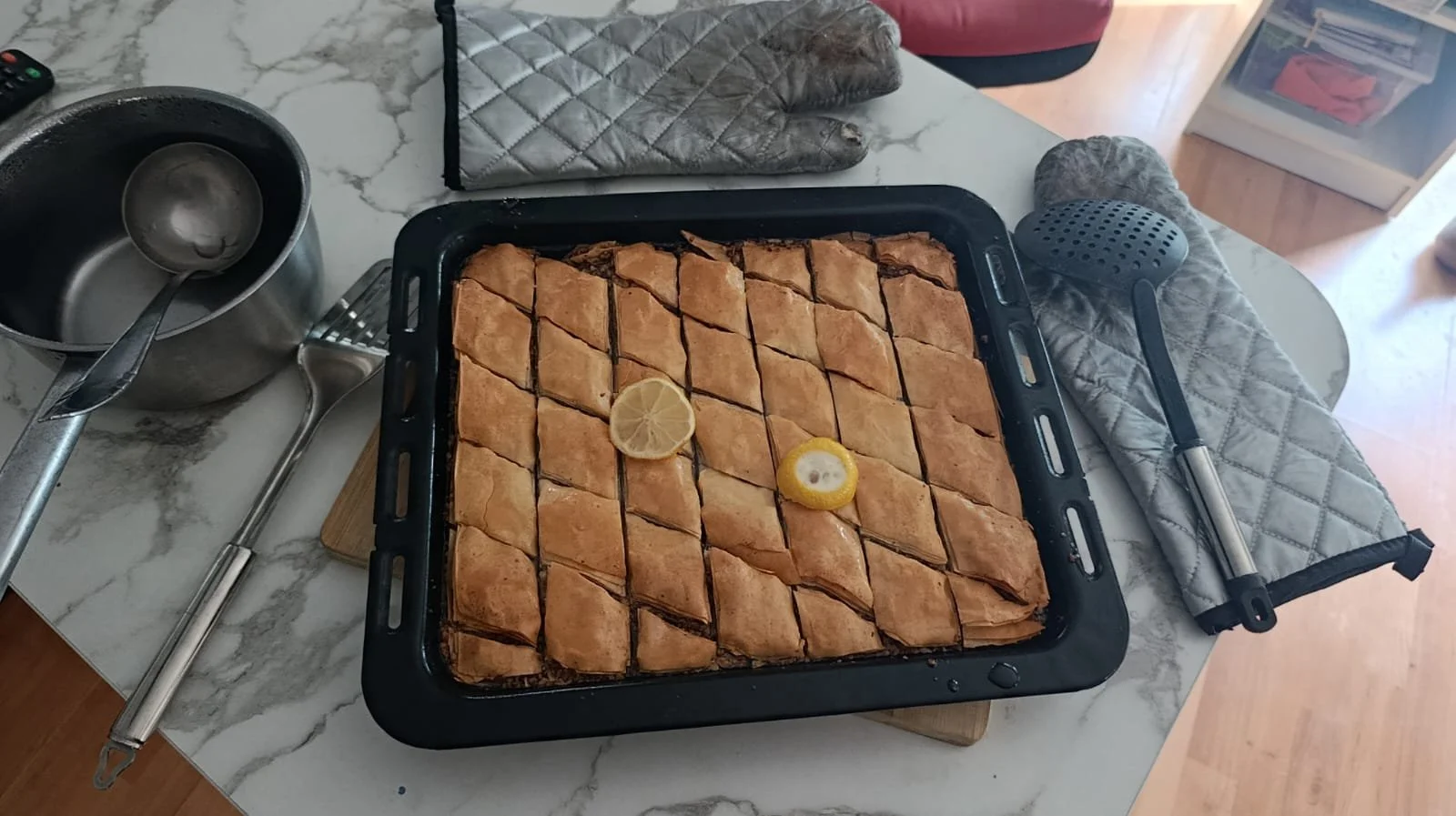
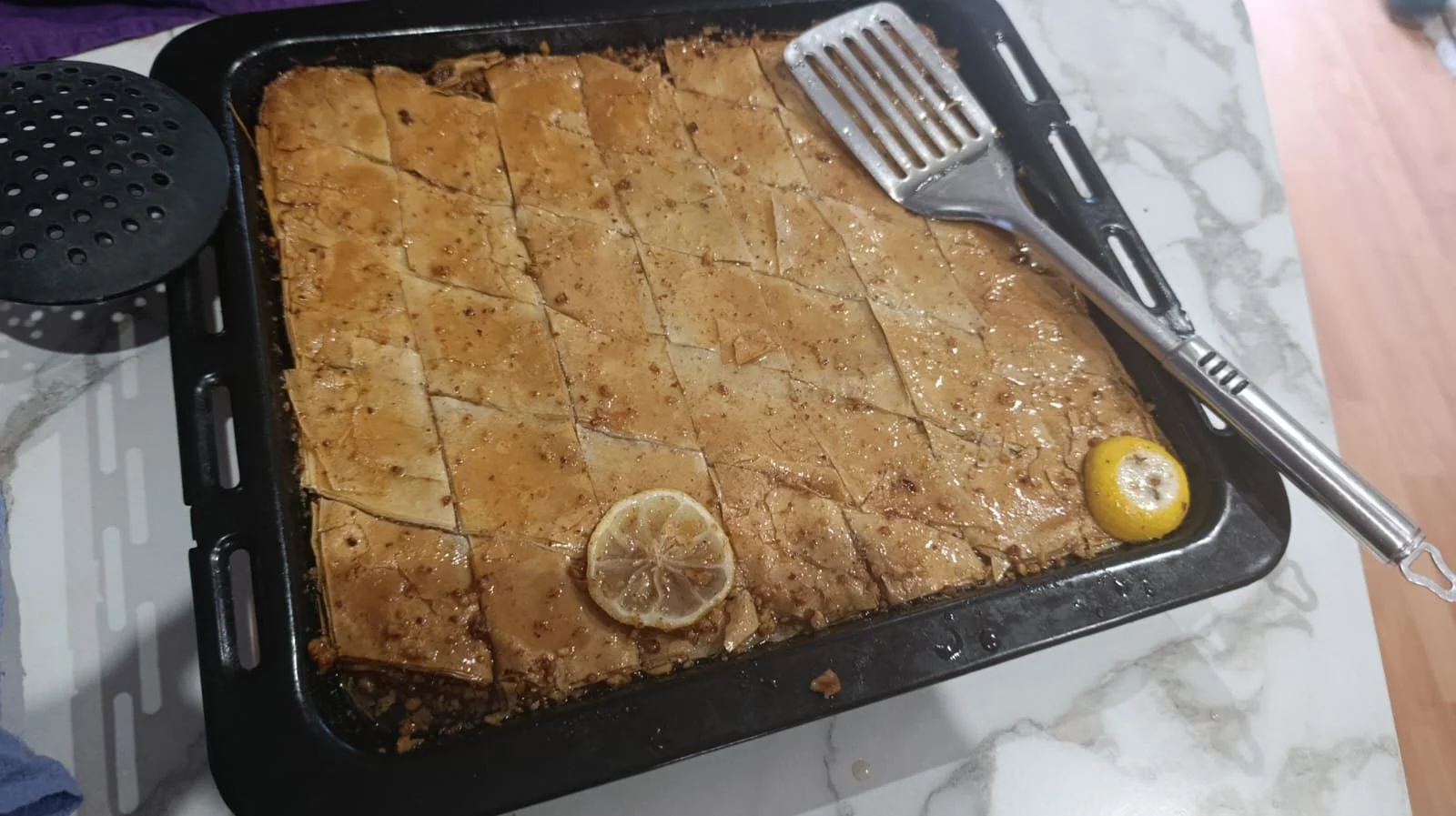
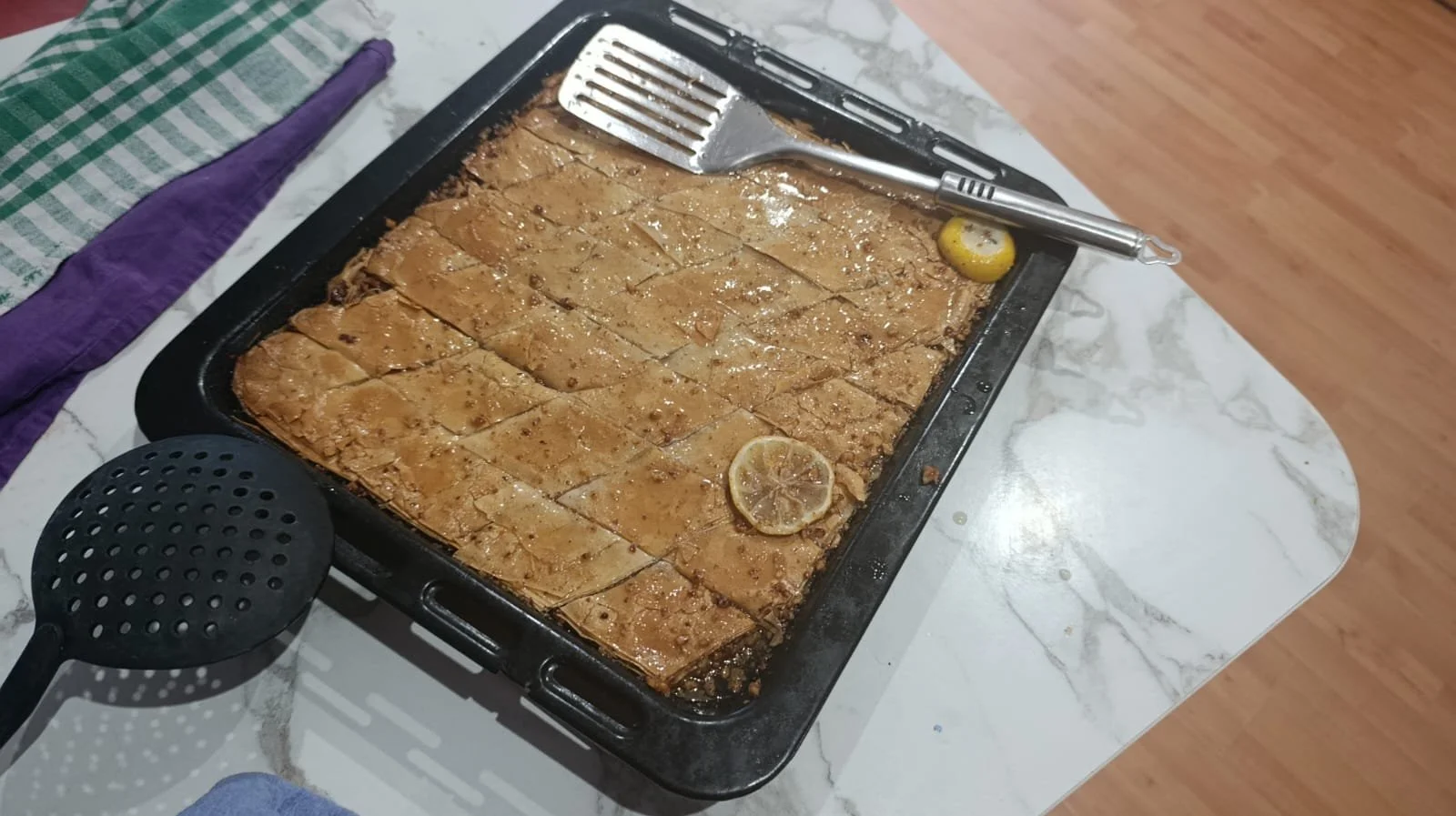
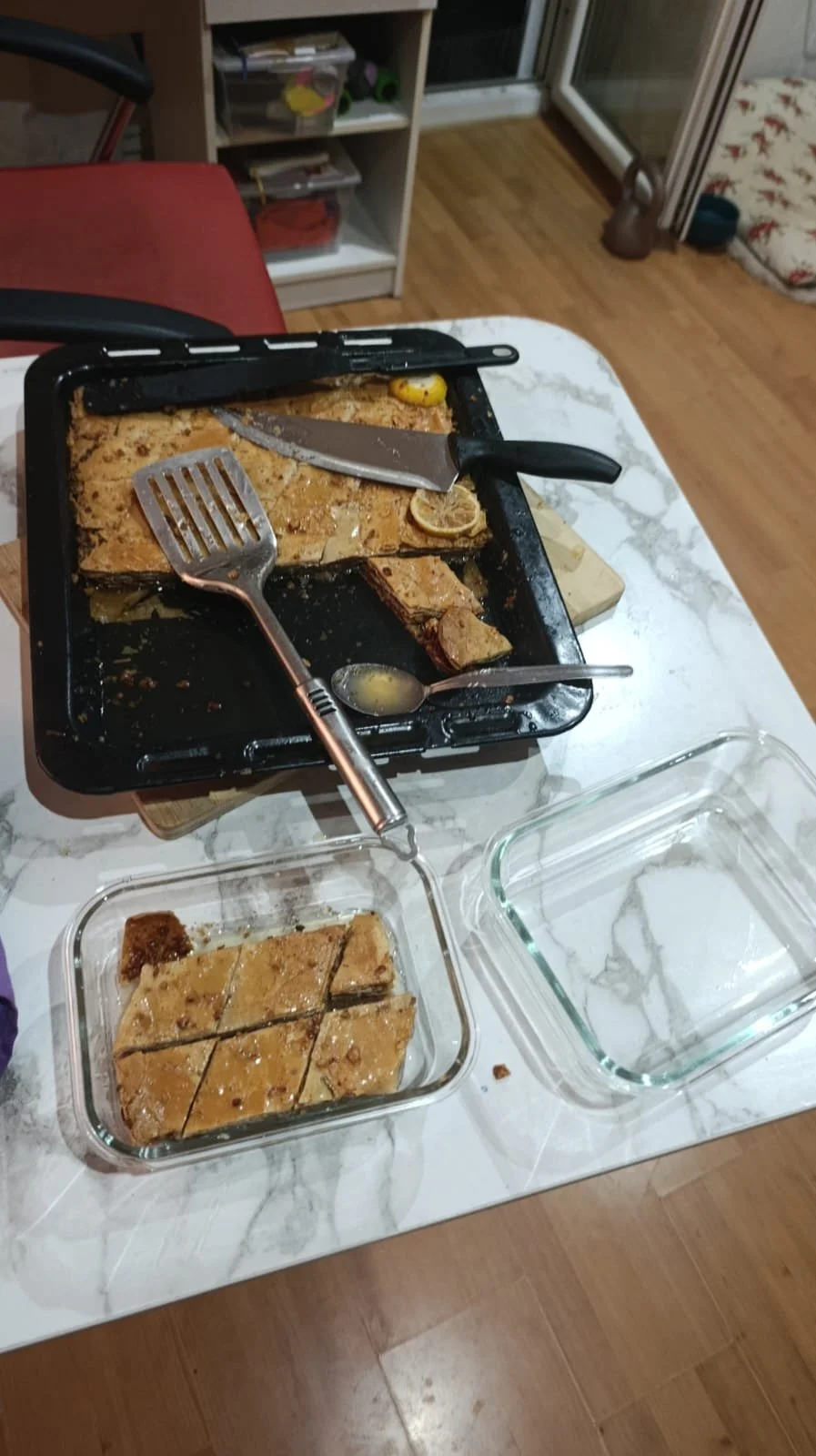
This episode started with a tray of freshly baked baklava sitting on our kitchen table.
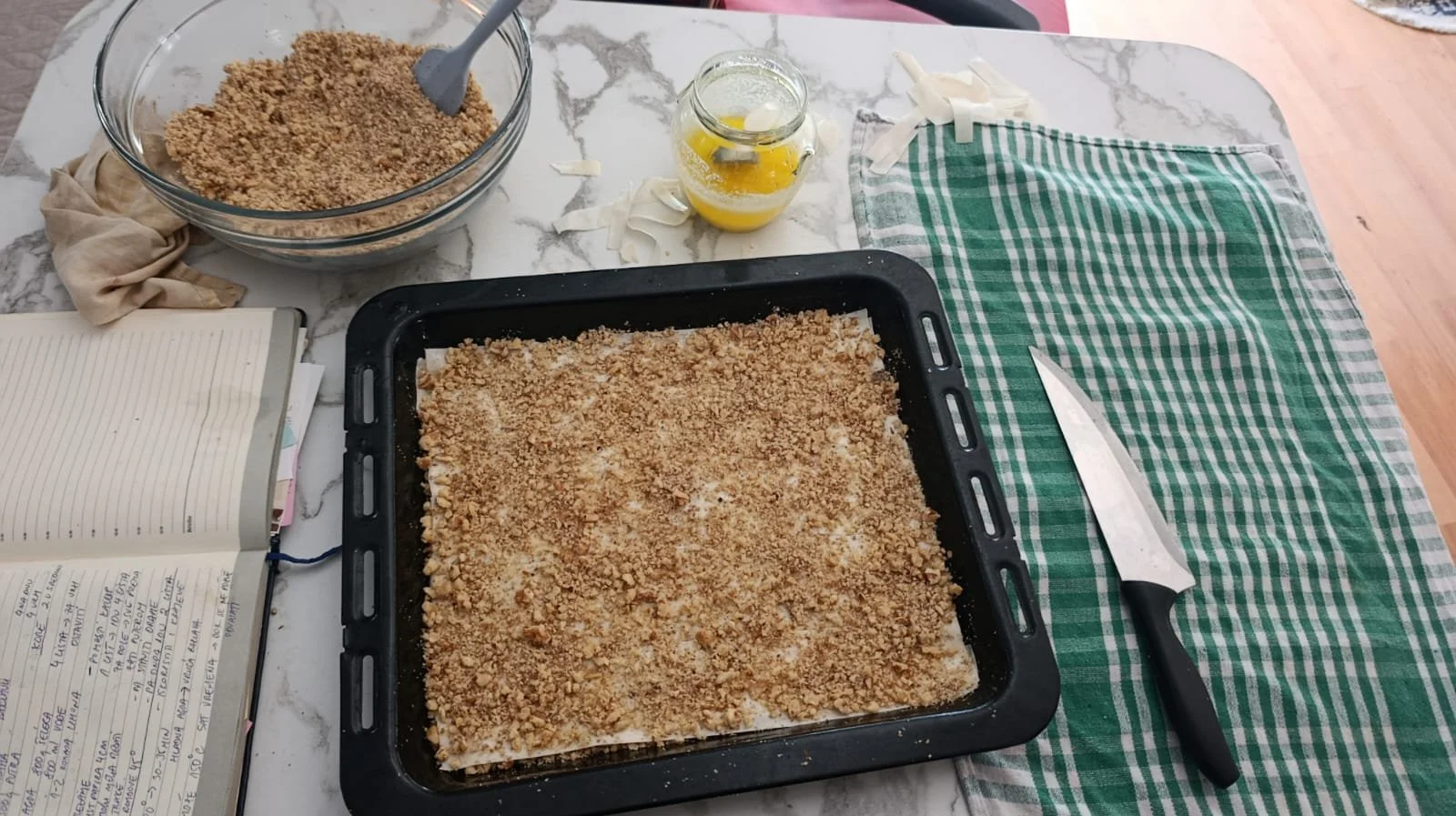
Tamara had decided to make baklava for the very first time, inspired by friends in Zenica and, in particular, by Senad’s mother, whose homemade baklava has become something of a benchmark in our circle of friends.
As we poured coffee and sampled the results, I switched on the recorder.
What followed wasn’t an interview. It was simply a conversation.
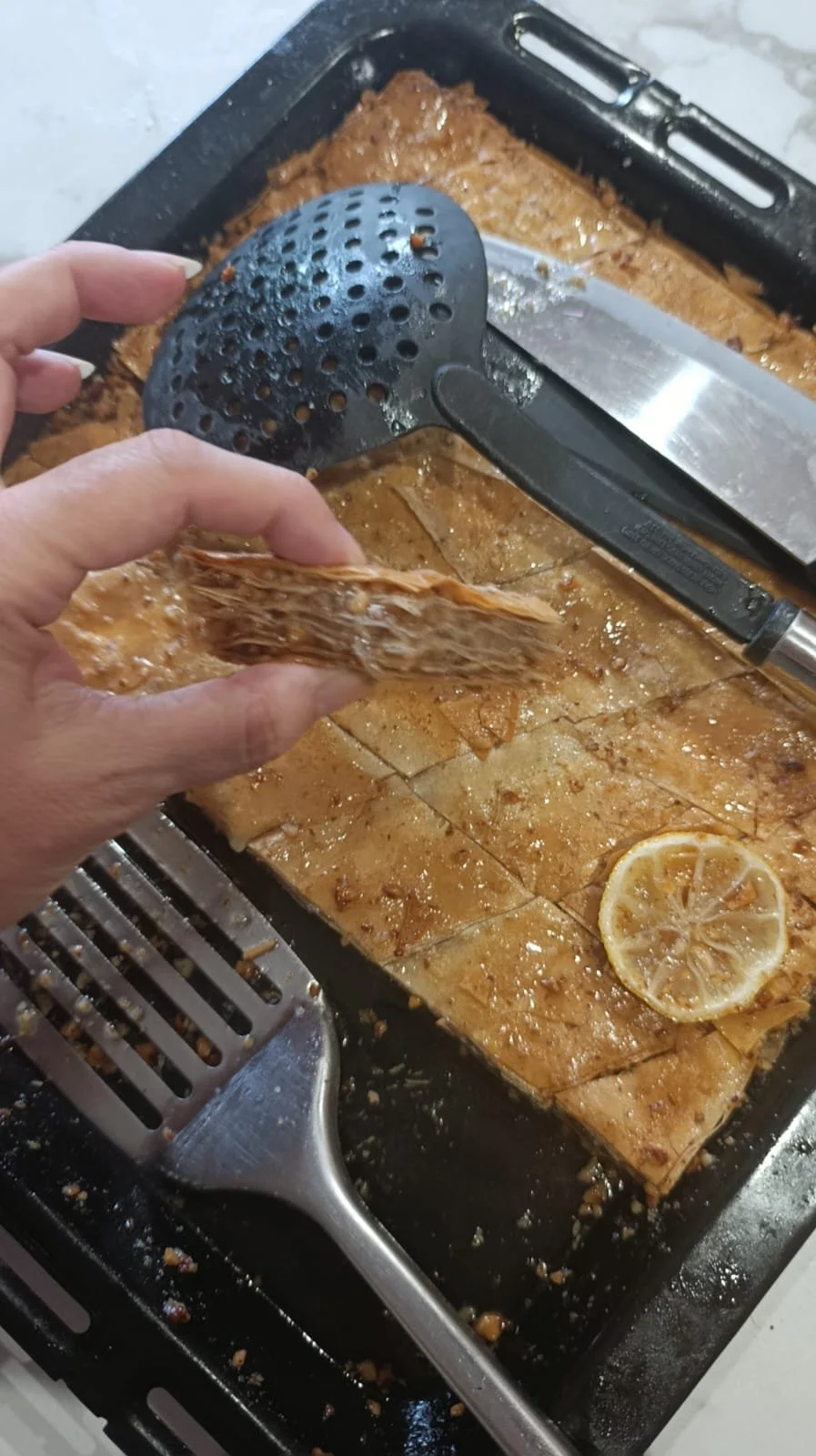
We talked about why Bosnian baklava tastes different from versions I’ve eaten elsewhere, the importance of agda (the sweet syrup poured over the pastry), choosing the right jufka, and the little tricks that only seem to emerge after hours spent watching family recipes, YouTube videos and learning through experience.
Like many conversations around a Bosnian kitchen table, it wandered naturally.
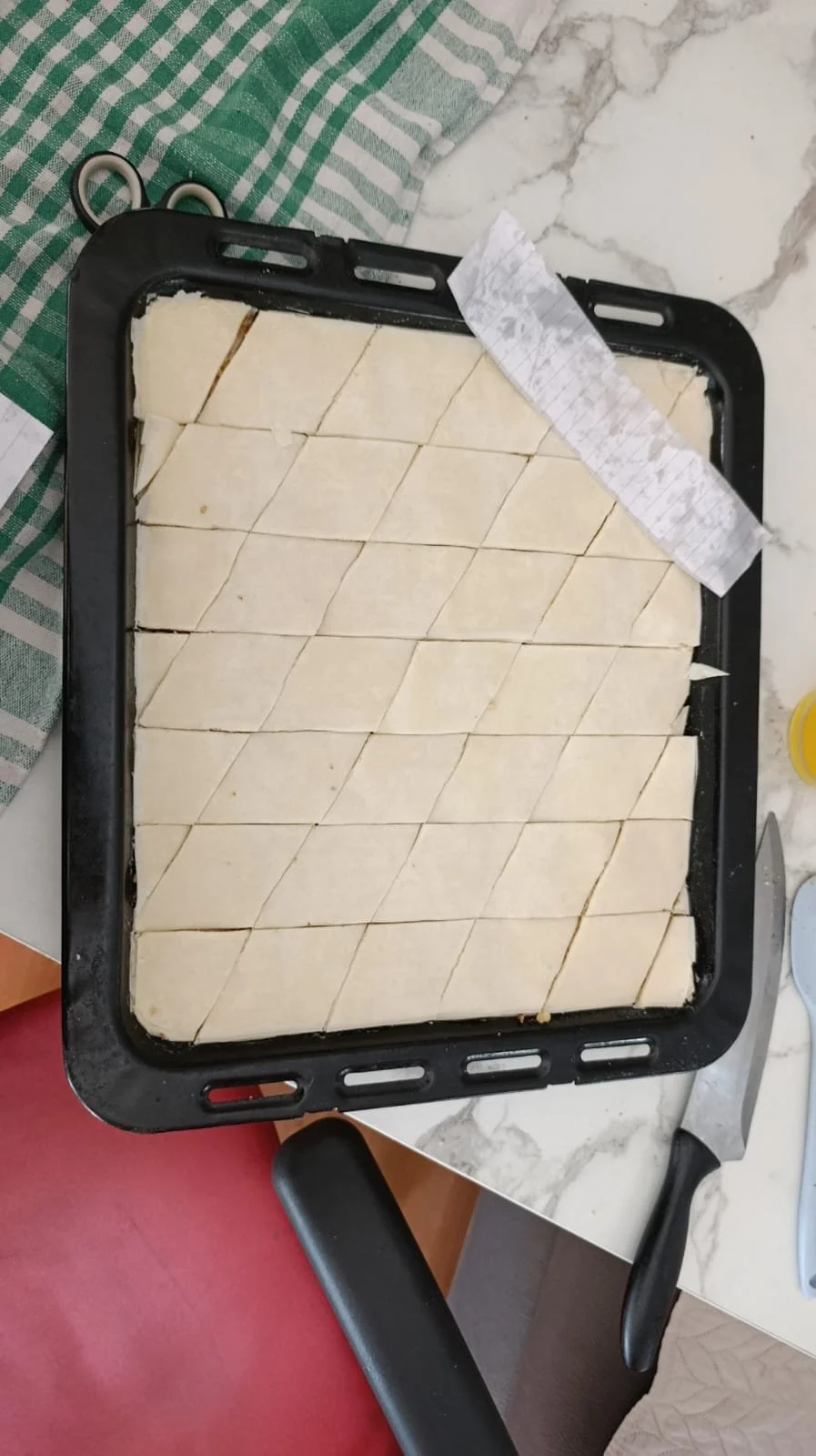
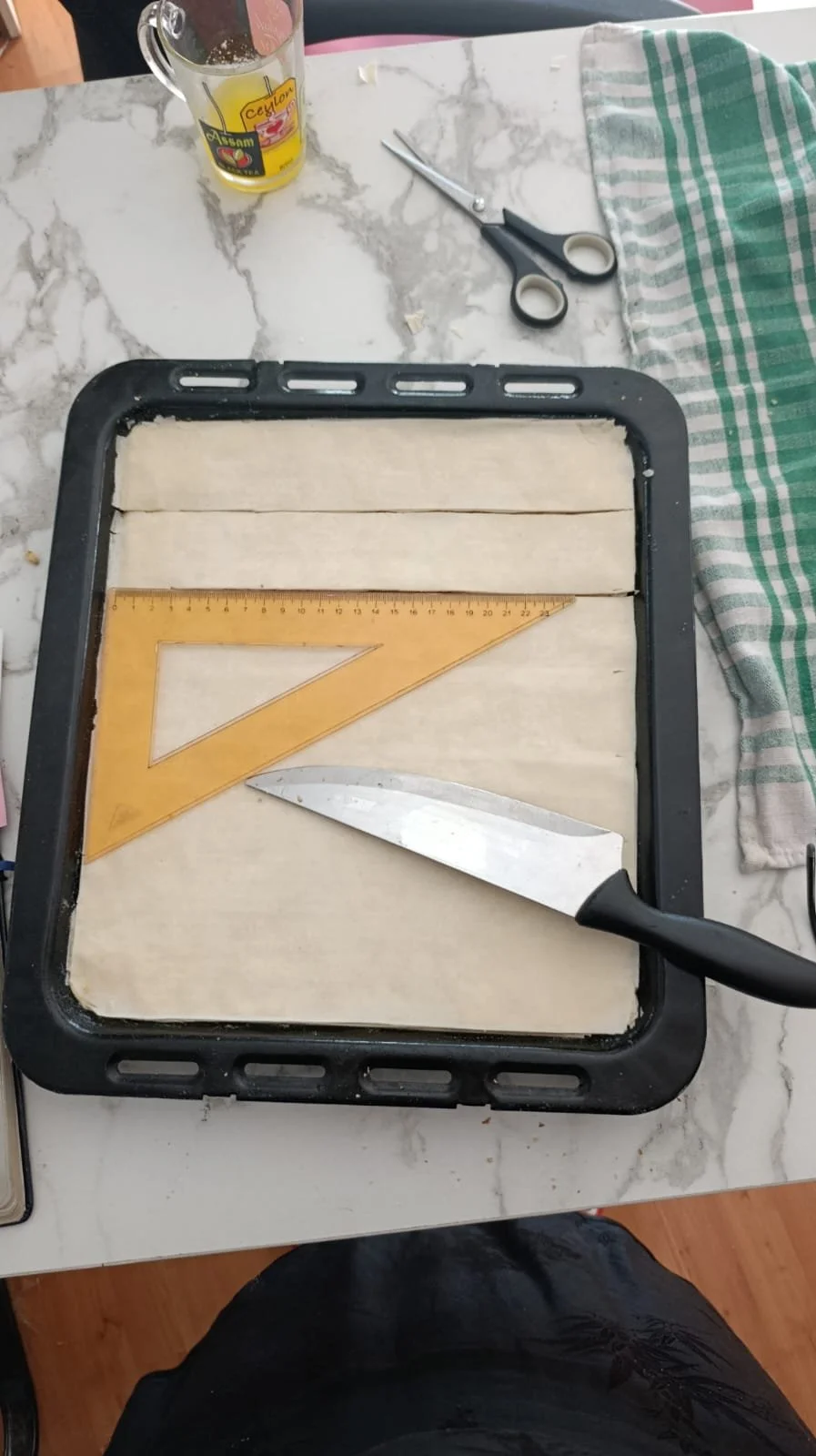
There was laughter about my inability to remember how many packets of pastry Tamara had actually bought. We discussed why clarified butter produces a better result, why baklava should be cut before baking rather than afterwards, and why patience is probably the most important ingredient of all.
One of my favourite moments comes towards the end of the conversation.
Tamara explains that her real ambition isn’t simply to bake a good baklava. It’s to make one good enough to place proudly in front of Senad’s mother, the woman whose baklava inspired the whole adventure in the first place.
For me, that’s what this episode is really about.
Living in Bosnia has taught me that food is rarely just food.
Recipes are passed between generations. Meals become reasons to gather. Hospitality isn’t something reserved for special occasions; it’s woven into everyday life.
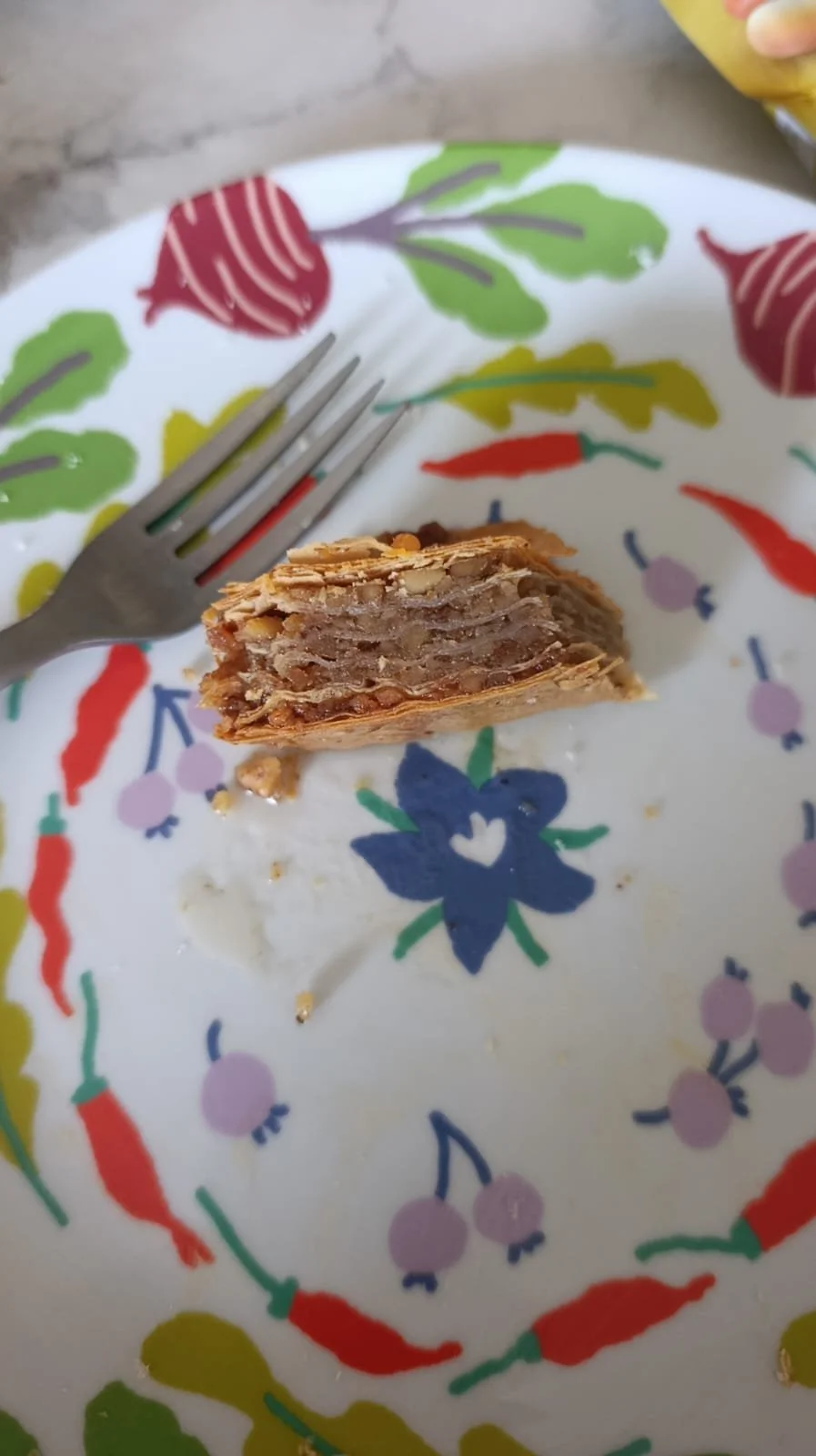
The baklava itself is delicious, of course, but the conversation reminds me that traditions survive because people continue to share them, one kitchen, one family and one friendship at a time.
If you’ve ever wondered what everyday life in Bosnia and Herzegovina really feels like beyond the headlines, I hope this episode offers a small glimpse.
Sometimes understanding a country begins not with its history books or guidebooks, but simply by sitting at a kitchen table with a cup of coffee, a piece of homemade baklava and an unhurried conversation.
I hope you enjoy listening as much as we enjoyed recording it.
Interested in starting your own podcast later in life?
My self-paced course for late creators is here:
https://www.anenglishmaninthebalkans.com/course/welcome-to-start-with-your-voice
Thanks for listening. If you enjoy slow, thoughtful stories from Bosnia and Herzegovina, please subscribe for more from my life here in the Balkans.