Is Bosnia and Herzegovina Safe to Visit? An Honest Local View
A resident’s practical guide to crime, landmines, driving, solo travel and staying safe while exploring Bosnia and Herzegovina.
Is Bosnia and Herzegovina Really Safe?
One of the questions I am still asked surprisingly often is whether Bosnia and Herzegovina is safe to visit.
My honest answer is yes.
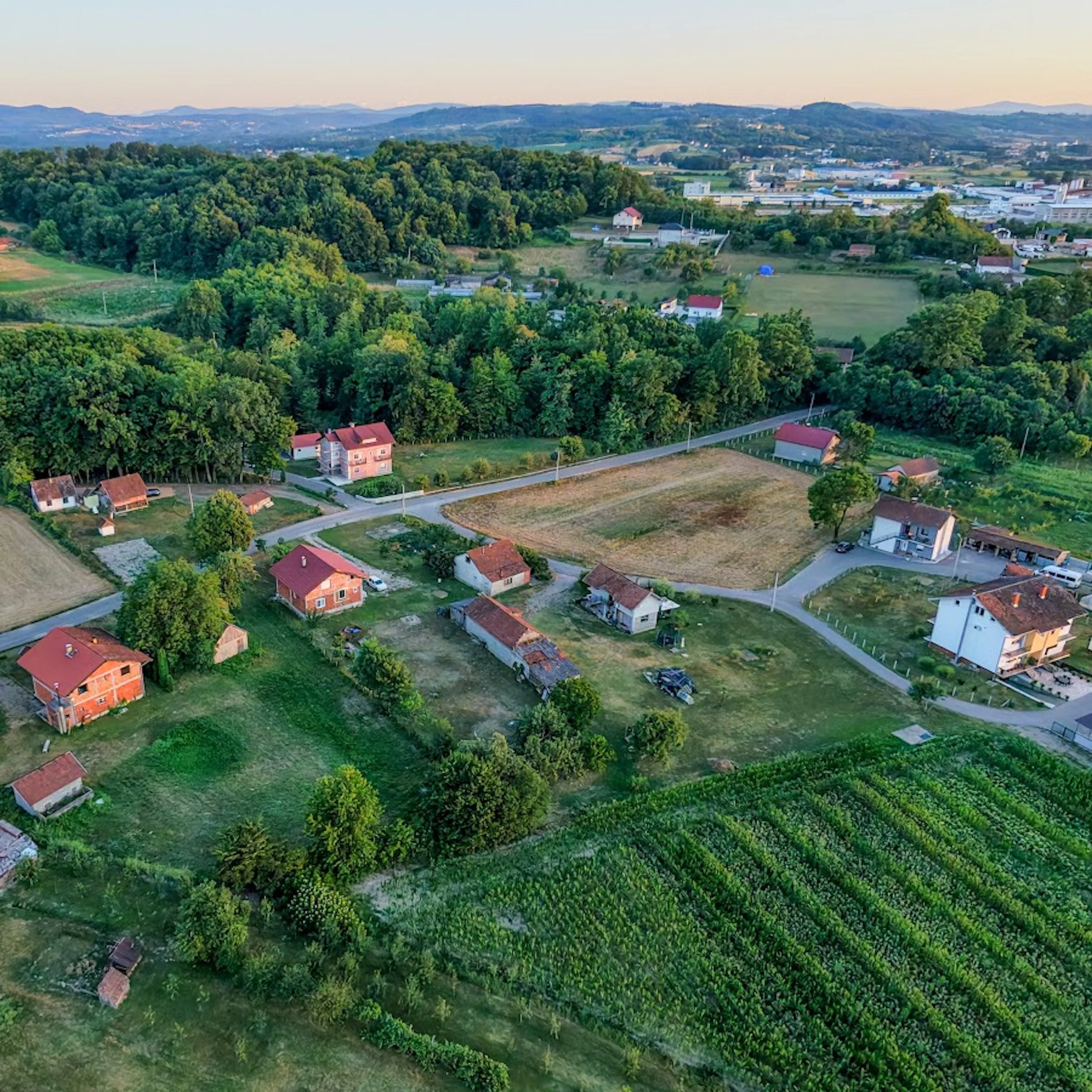
I first came here in 1998 and now live in a small village in the northwest of the country. At 73, I think about travel and personal safety differently than I did when I was younger. I am more interested in whether a place feels comfortable, manageable and welcoming.
In my everyday life, Bosnia and Herzegovina feels extremely safe.
Everyday Life Without Constant Worry
In our village, people notice what is happening. They know which car belongs to which family, whose dog has escaped and who has left a gate open. It can feel intrusive, but it also creates an informal safety net.
When I walk around the village with my recording equipment, I do not worry about somebody snatching my telephone or bag. I feel much the same in Banja Luka. Personally, I feel safer during normal daily life here than I now do in some parts of London.
That does not mean crime is absent. Pickpocketing and opportunist theft can happen in crowded areas and on public transport. Keep your wallet secure, lock your vehicle and do not leave valuables visible inside a parked car.
Use the same common sense you would use anywhere else.
Bosnia Is Not at War
The war ended in 1995, although its scars remain visible in memorials, cemeteries, damaged buildings and places that never fully recovered.
Political language can sound alarming when reported abroad, but it is different from everyday life. People are going to work, children are going to school, cafés are full and weddings are taking place.
Bosnia and Herzegovina is a functioning European country with a complicated history.
Landmines Must Be Taken Seriously
There is, however, one legacy of the war that visitors must never dismiss: landmines and unexploded ordnance.
Established towns, main roads and recognised tourist areas are generally not the problem. The danger lies in some forests, former front lines, abandoned buildings, overgrown land and unmarked rural tracks.
Stay on recognised roads and marked walking routes. Never assume that short grass means an area is safe. Hikers, photographers and drone users should resist wandering away from established paths simply to find a better view.
For remote walking, go with a knowledgeable local guide or recognised mountaineering club.
Roads and Weather Need Respect
For most visitors, the roads present a more immediate risk than crime.
Mountain roads can be narrow, poorly lit and unpredictable. A journey of one hundred kilometres through Bosnia is not the same as one hundred kilometres on a British motorway. Slow down and avoid overambitious itineraries.
Snow, fog, heavy rain, flooding, landslides, summer heat and wildfires can affect travel. Check the weather and road conditions before setting off.
Solo Travellers Are Usually Welcomed
Bosnia and Herzegovina can be a warm place for solo travellers. People may ask where you are from, why you came and whether you like the country.
You may be offered coffee, food or rakija. The hospitality is genuine, although being welcomed does not mean abandoning your normal judgement.
Use reputable accommodation, arrange transport carefully and avoid isolated places late at night.
Come With Curiosity, Not Fear
So, is Bosnia and Herzegovina safe to visit?
Yes, I believe it is.
Take normal precautions. Drive carefully. Respect the mountains, weather and landmine warnings. Keep your belongings secure and make sure you have suitable health and travel insurance.
Then relax. Sit in a café, explore the smaller towns and villages, talk to people and take your time.
Bosnia and Herzegovina does not need to be approached with fear. It deserves curiosity, respect and a little common sense.