A Survivor Remembers
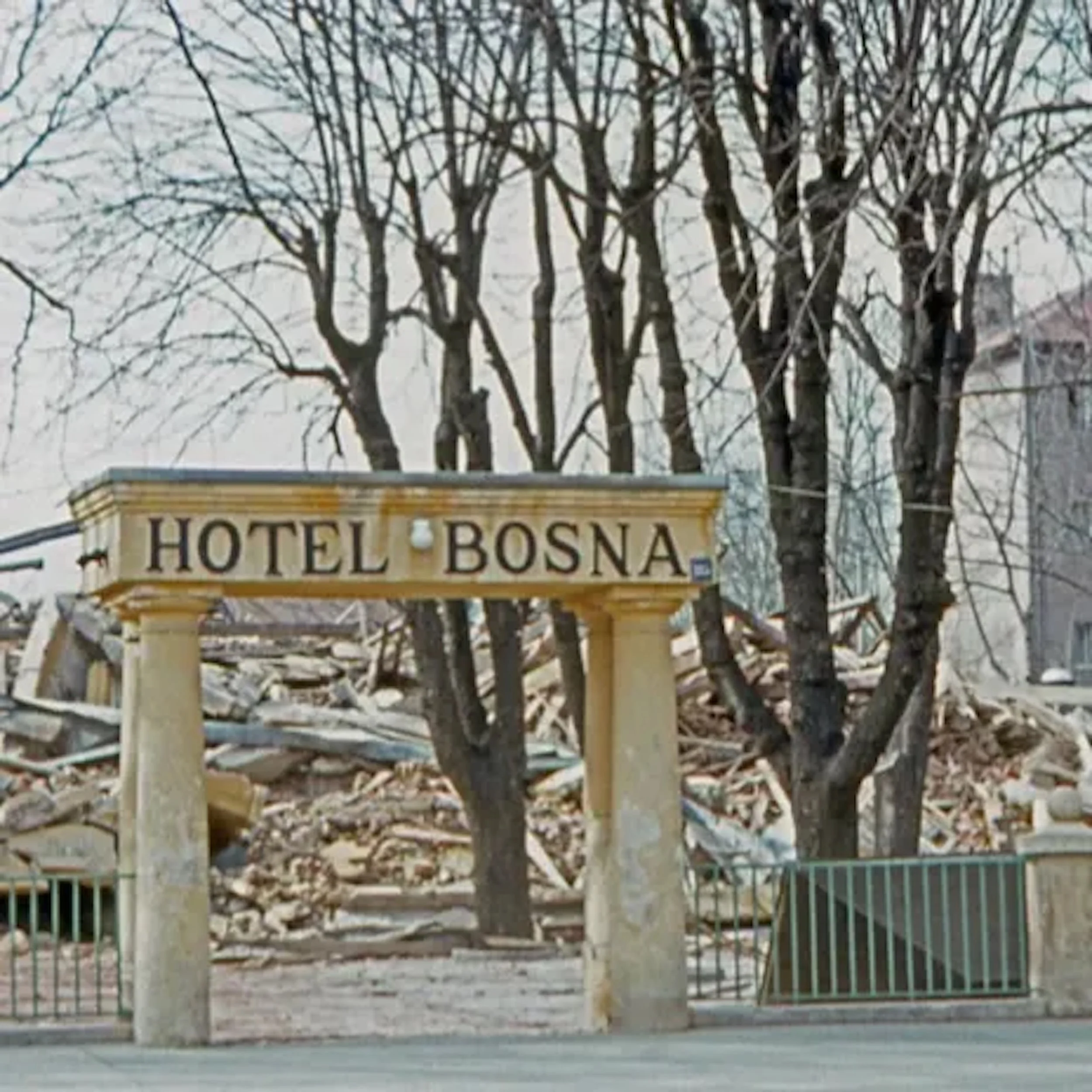
On 27 October 1969, the city of Banja Luka was changed forever.
A devastating earthquake struck this part of what was then Yugoslavia, destroying buildings, leaving families homeless and changing the appearance of a city that many people had known all their lives.
Fifty-seven years later, the earthquake remains an important part of Banja Luka's history. But behind the photographs, statistics and accounts of destruction are the memories of ordinary people who were actually there.
One of those people is my mother-in-law, Hasna.
And I wanted to share her story.
When the Ground Began to Move
Hasna was just 18 years old when the earthquake struck.
In a conversation I recorded with her two years ago, she recalled the extraordinary moments before the ground began to shake.
What she remembers particularly clearly is the silence.
The birds stopped singing. Everything seemed unnaturally quiet. Even the light appeared to change.
And then the earthquake came.
Hasna was in the centre of Banja Luka when the main earthquake struck. She remembers the dust, the screaming and the extraordinary sensation of the road appearing to move beneath her feet.
She tried to grab hold of a concrete pole, but the movement made it almost impossible.
It's difficult to imagine experiencing something like that, particularly at such a young age.
Yet listening to Hasna describe it, I was struck by how clearly those moments have remained with her.
Life After the Earthquake
The destruction was enormous.
Buildings collapsed, electricity and communications were disrupted, and people were frightened to return to their homes.
Hasna remembers families sleeping outside, in sheds, tents and temporary accommodation.
She recalls how amateur radio operators helped communicate news of the disaster, and how humanitarian assistance gradually arrived.
There were practical challenges too. Finding food, looking after children and trying to establish some kind of normality when almost everything had stopped.
But people helped one another.
And eventually, Banja Luka began rebuilding.
New neighbourhoods appeared, including parts of Borik, and the city's appearance changed considerably.
The Banja Luka That Disappeared
Perhaps the most touching part of Hasna's story, however, isn't about the earthquake itself.
It's about the city she remembers before 1969.
She talks about little neighbourhoods, houses with gardens, and neighbours who would call out as you passed, inviting you inside for coffee.
There was a warmth to everyday life that she feels has gradually disappeared.
She remembers the expression "Džes, komšija" — a familiar way of greeting a neighbour.
But as Hasna explains, those simple words meant much more than hello.
They meant asking whether someone was well, whether their children were all right, or whether they needed help.
It was a way of looking after one another.
And I found that rather moving.
Because although Banja Luka was rebuilt, some of that older way of life was never quite the same again.
Why These Memories Matter
As I grow older myself, I'm becoming increasingly aware of how easily personal memories can disappear.
Hasna is now in her seventies, and the number of people who remember the 1969 Banja Luka earthquake firsthand is inevitably getting smaller.
One day, there won't be anyone left who can describe those moments from personal experience.
That's why I believe recording these conversations matters.
For this anniversary edition of my podcast, I've used Descript and AI-assisted translation and voiceover technology to make Hasna's account accessible to English-speaking listeners.
The English voice isn't hers, but the memories are.
And those memories deserve to be preserved.
Listen to Hasna's Story
In this episode of An Englishman in the Balkans, Hasna shares her eyewitness account of the earthquake, the difficult days that followed, and her memories of a Banja Luka that has largely disappeared.
It's not simply a story about a natural disaster.
It's about people, community, belonging and the passing of time.
And perhaps it's also a reminder to ask our own parents and grandparents about the things they remember.
While we still can.