Inside Tito’s Secret Bunker: A Hidden Cold War World Beneath Bosnia
Tito’s Bunker
There are some places in Bosnia and Herzegovina that don’t reveal themselves straight away.
You can drive through the mountains, follow the rivers, pass small houses, roadside cafés, wood smoke, and the usual rhythm of life here, and still have no idea what is hidden beneath your feet.
That was very much the feeling during our recent two-and-a-half-day road trip through Bosnia and Herzegovina.
My granddaughter Alice had been visiting from the United Kingdom, and at the end of her stay we decided to show her a little more of the country. It was a tight trip, as these things often are. Zenica first, then up to Lukomir, the highest and one of the most remote villages in Bosnia and Herzegovina, and then onwards towards Konjic.
But Tamara had arranged something rather special.
She told us we were going on a quick visit. A few photographs, a short stop, then back on the road.
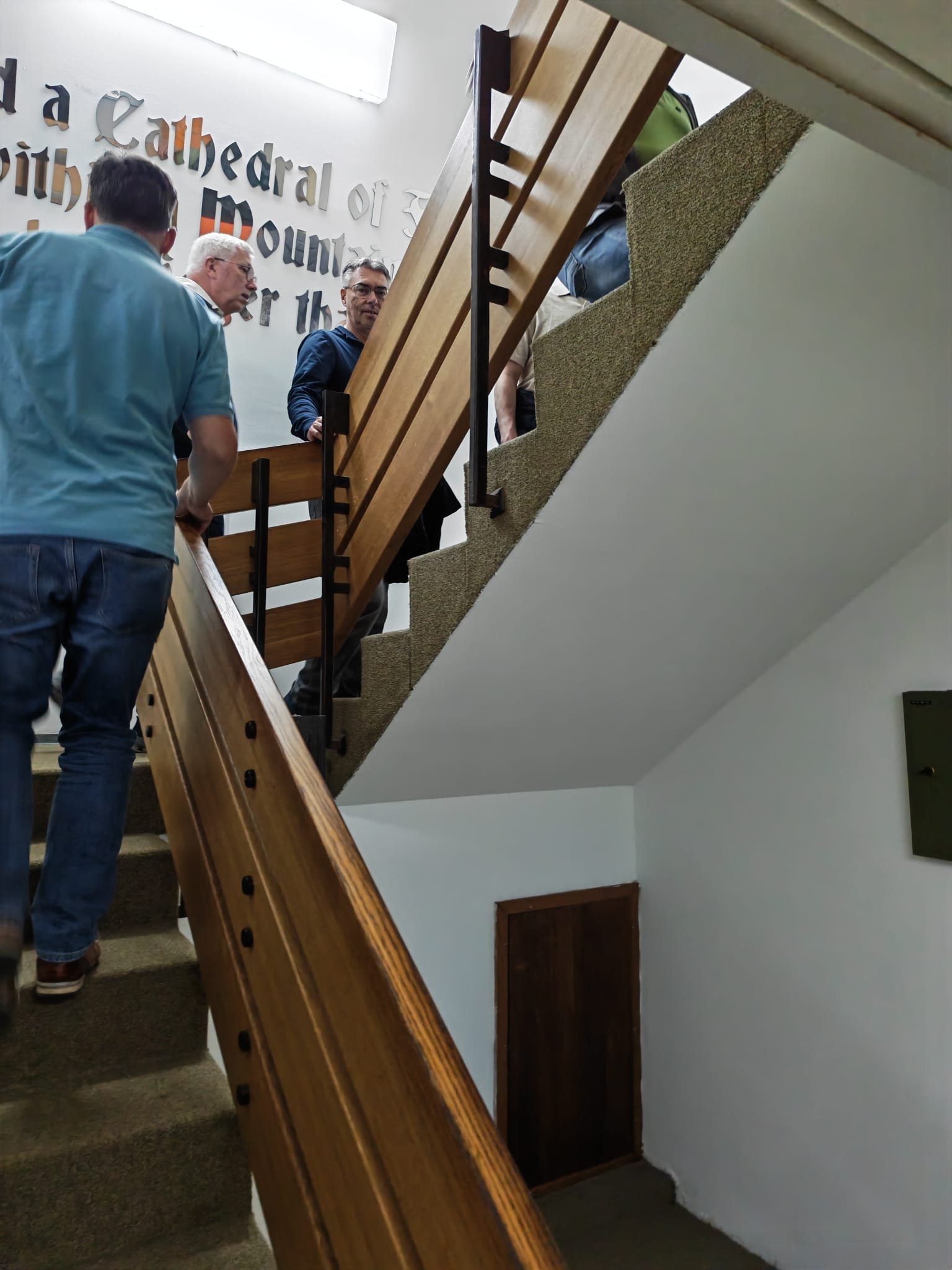
Within minutes, though, we were stepping through a doorway and into one of the most secretive places ever built in the former Yugoslavia.
A hidden underground world designed for Tito, his military commanders, and the possibility of nuclear war.
Above us, the mountains, the river, and ordinary Bosnian life carried on as normal.
Beneath the surface, though, was a completely different story.
Going Underground Near Konjic
Konjic itself is already one of those places that feels as if it belongs in a story.
The Neretva River runs through it, clear and green, with the mountains rising above the town. It has that mixture you find so often in Bosnia and Herzegovina: beauty on the surface, and history just underneath.
But on this visit, we weren’t there simply to admire the river or wander through the old town.
We were there to go underground.
We were there to visit Tito’s Bunker.
Officially, it was known as ARK D-0, short for Armijska Ratna Komanda, or Atomic War Command.
Not exactly the sort of name that invites you in for coffee, is it?
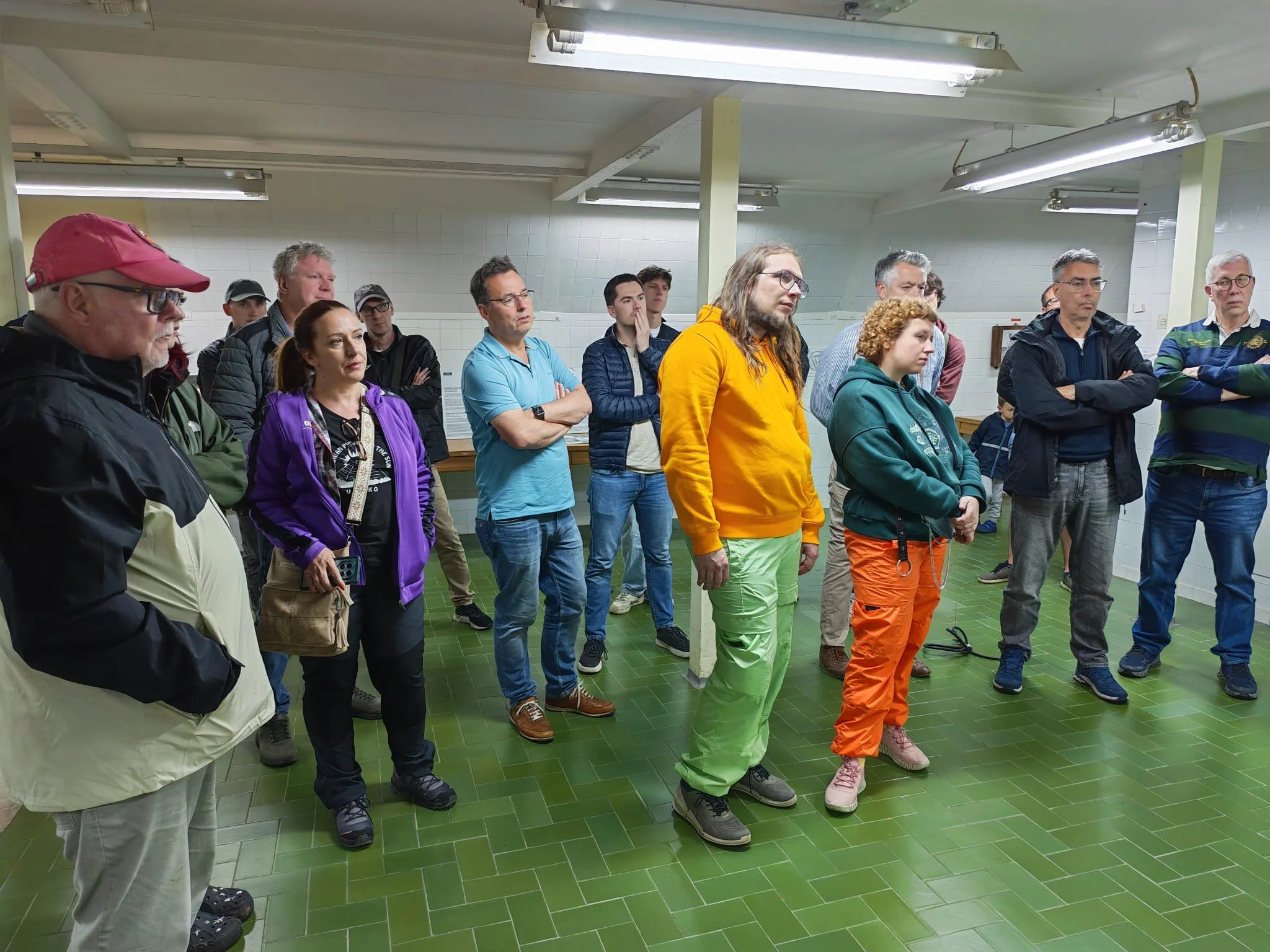
And yet today, you can walk right through it.
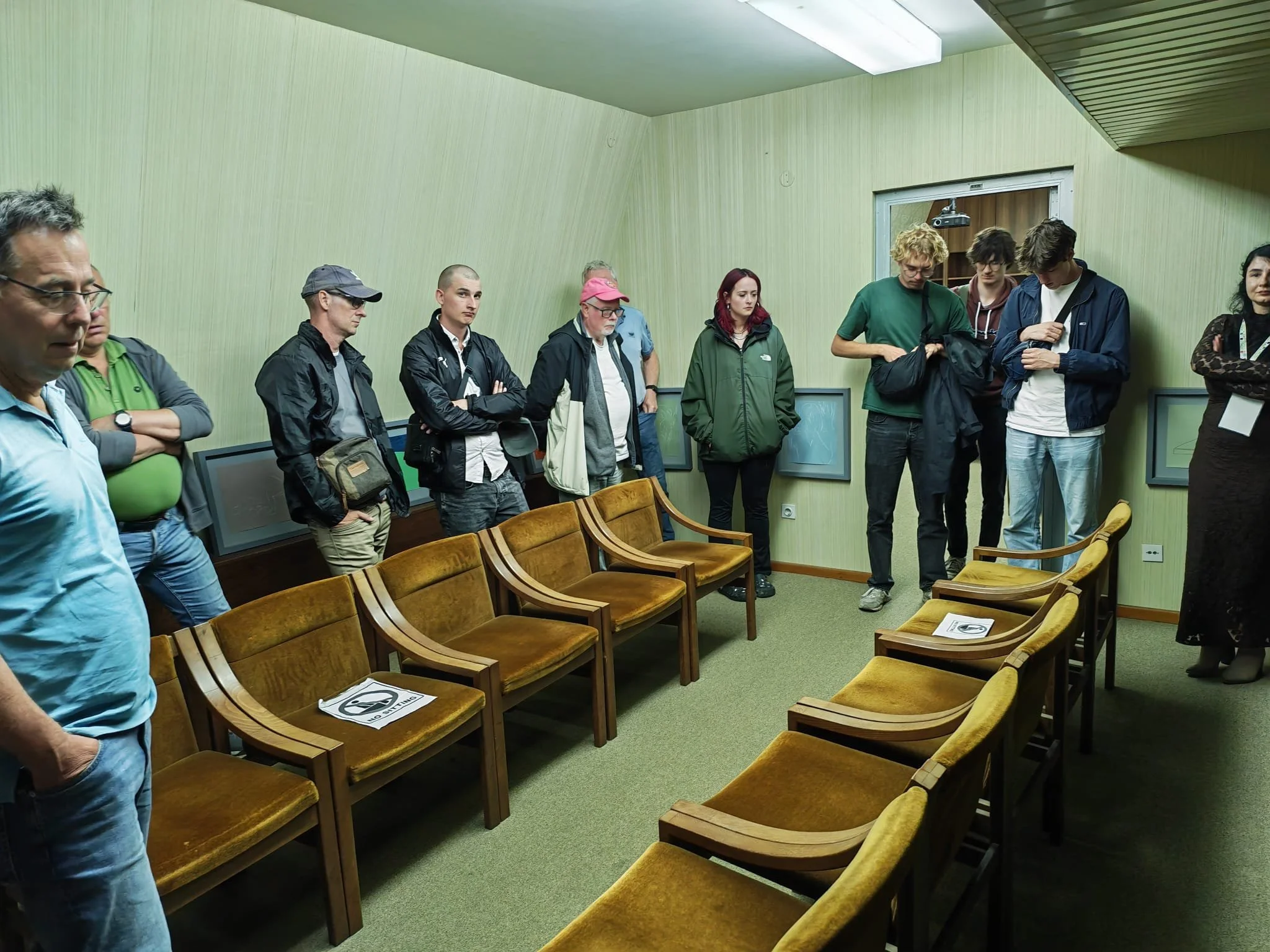
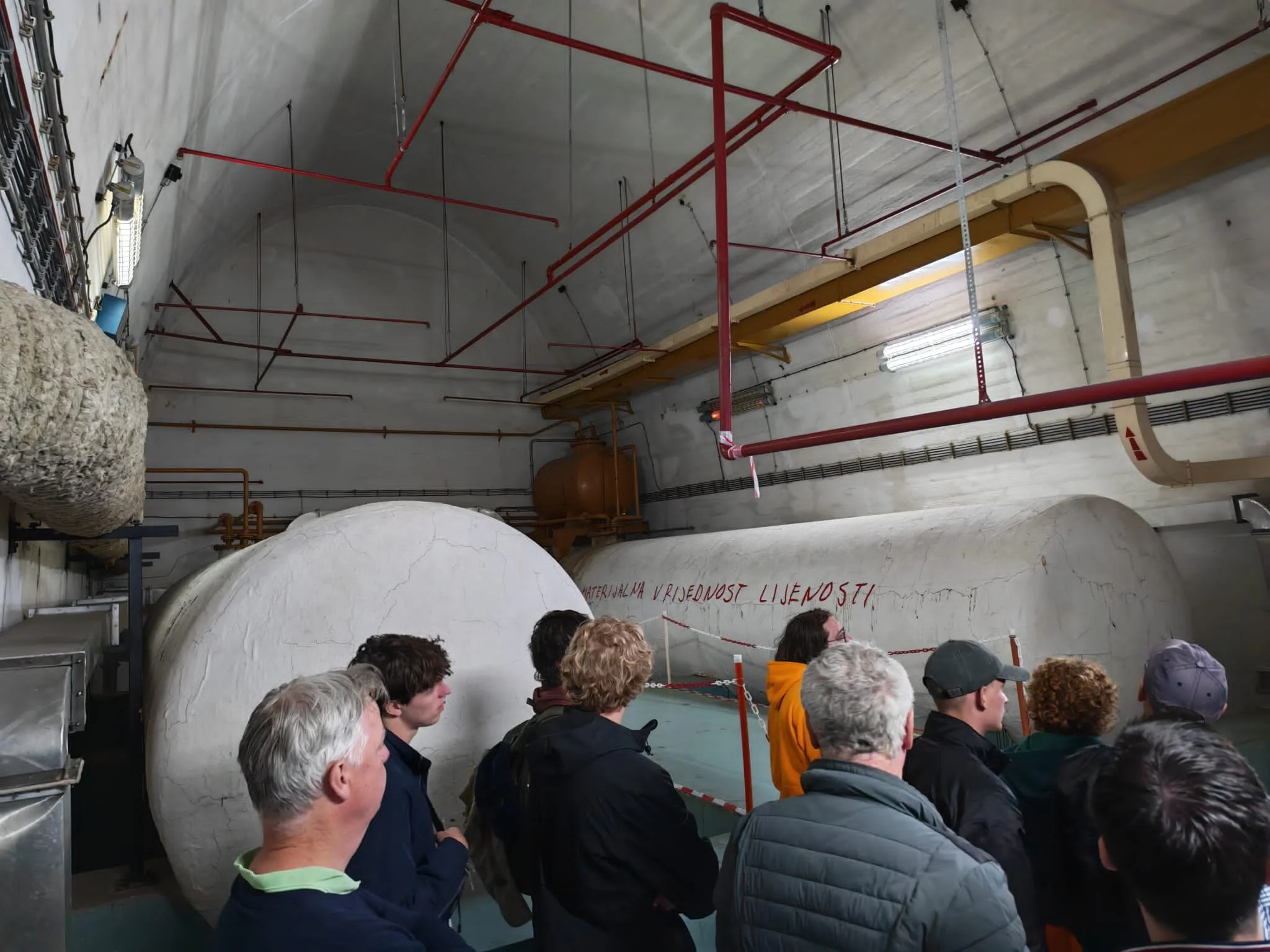
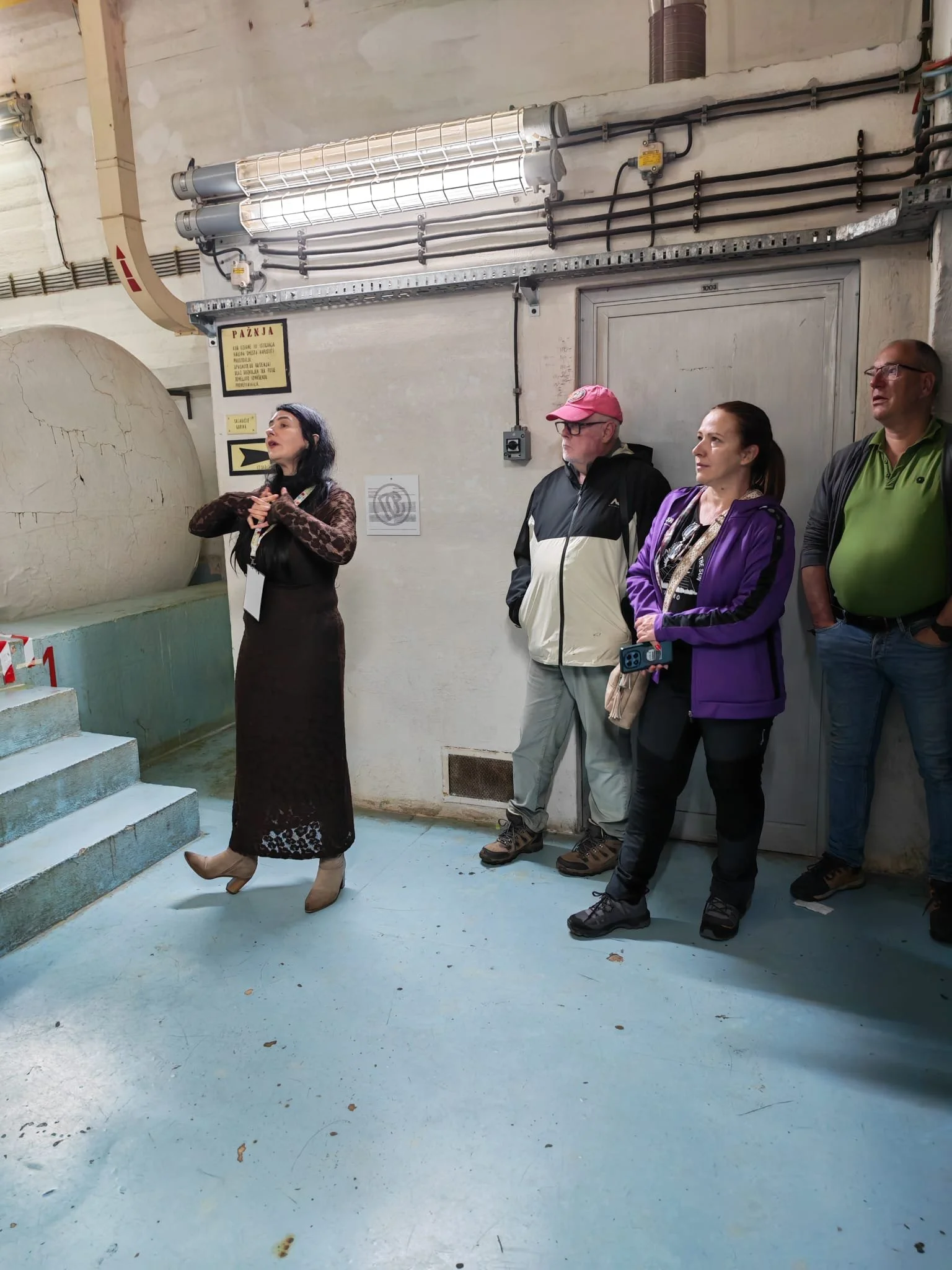
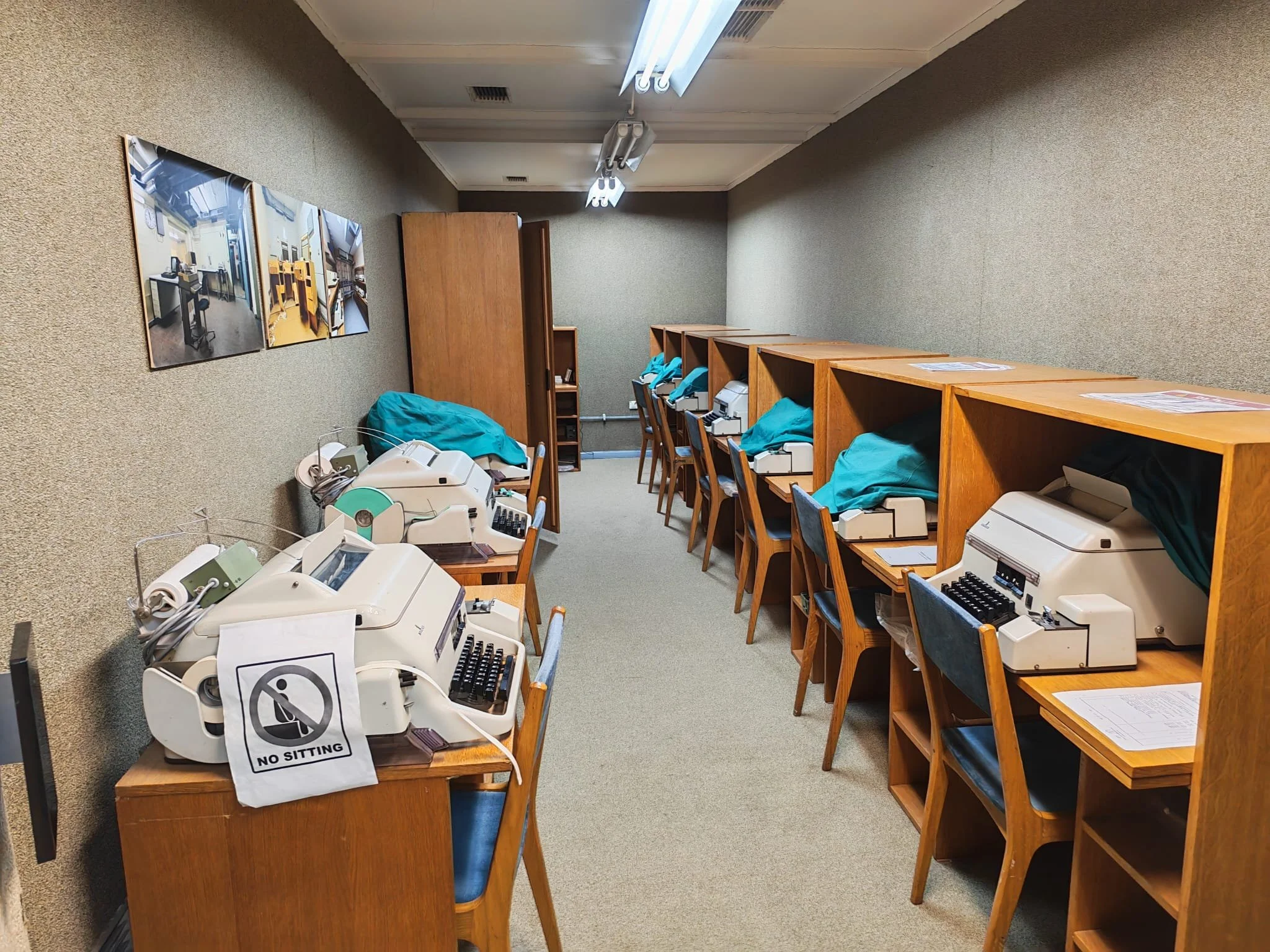
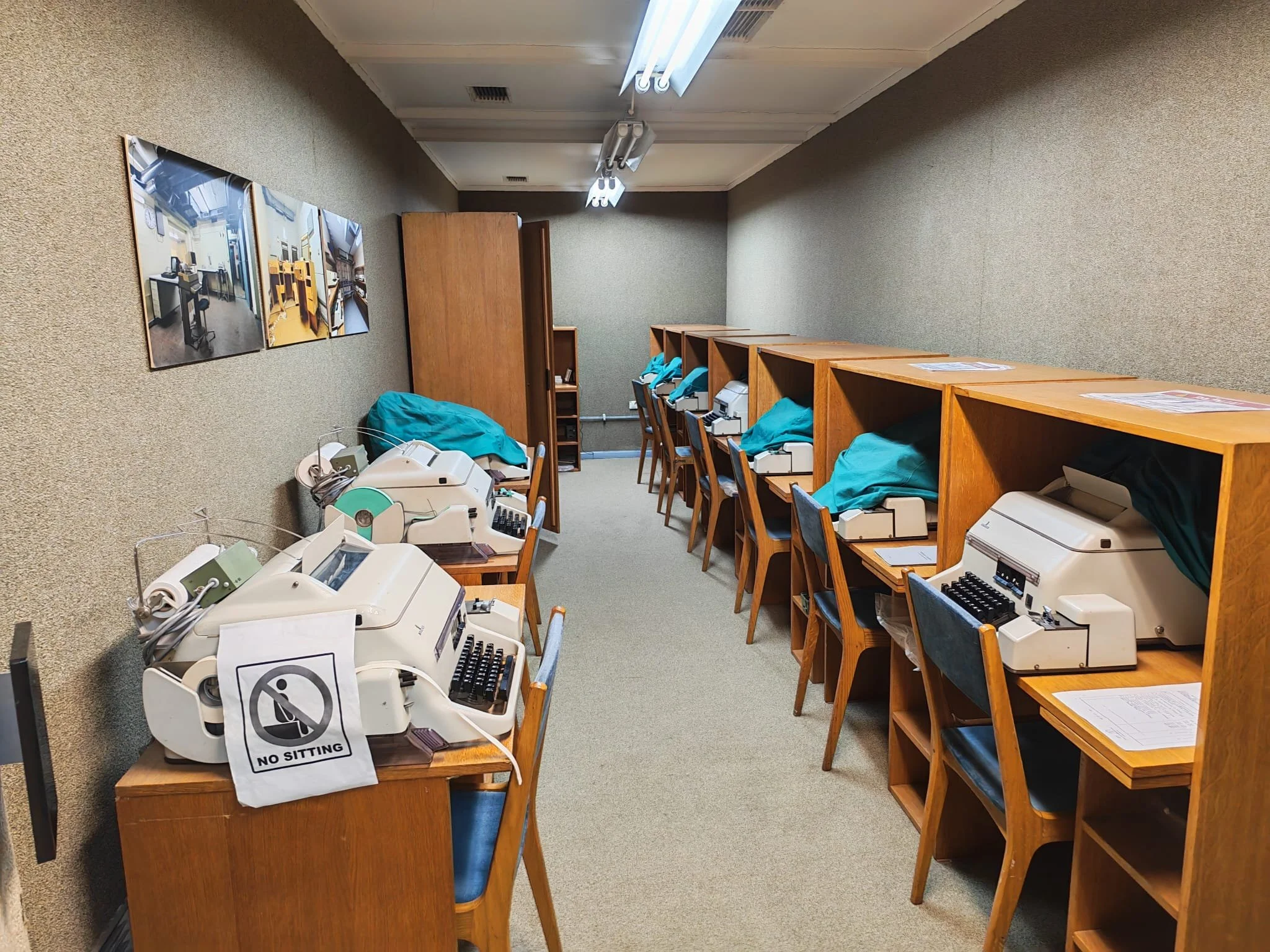
You can stand inside the tunnels, the communications rooms, the sleeping quarters, the command spaces, and try to imagine the world that created it.
A Mindset Poured Into Concrete
Construction began in 1953, during the Cold War.
That detail caught my attention straight away because 1953 was also the year I was born.
The bunker was not completed until 1979, which means it took around 26 years to build. A whole generation of secrecy, engineering, planning, and fear went into this place.
And that is what struck me most.
This was not just a bunker.
It was a mindset poured into concrete.
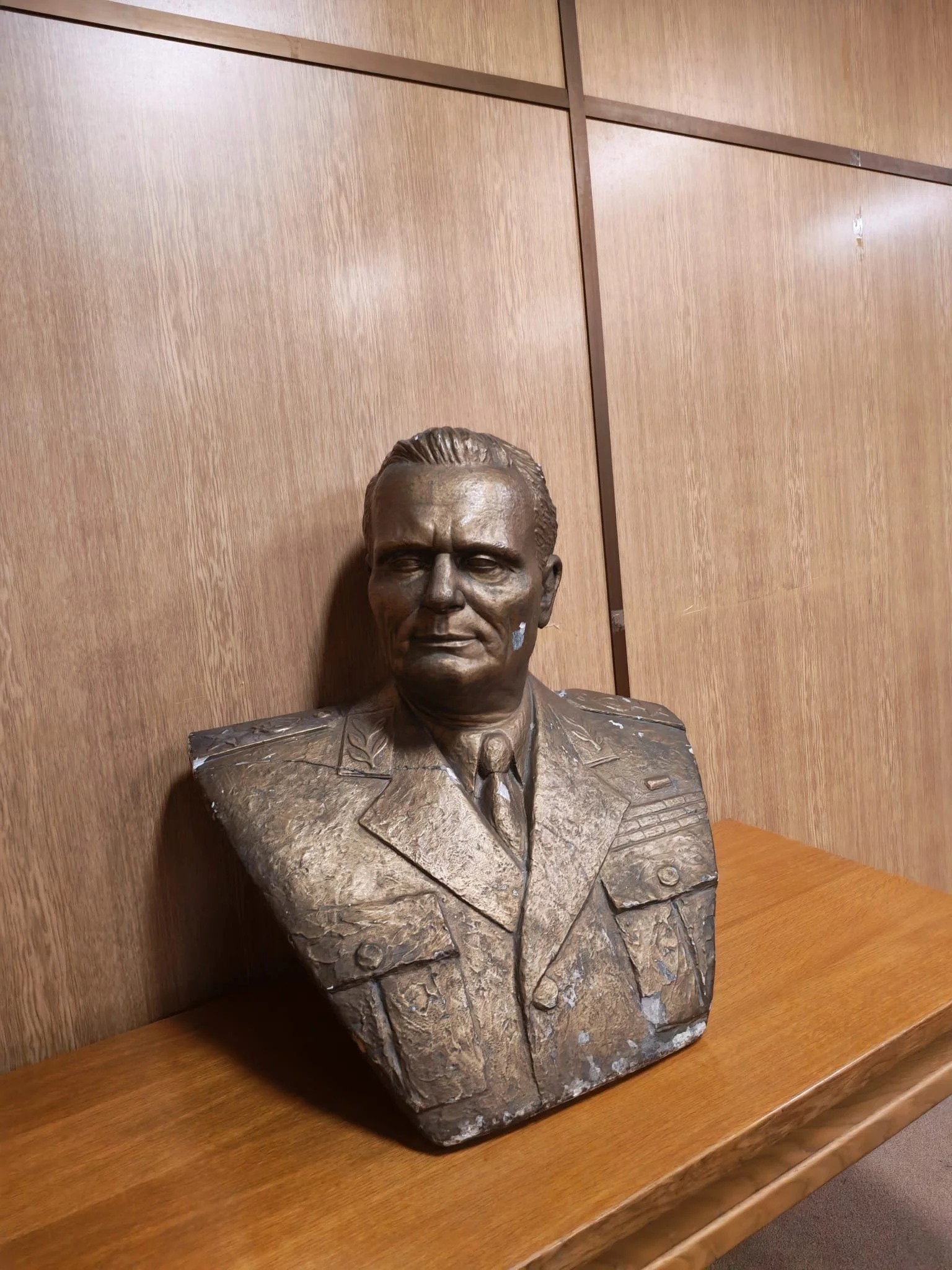
It was built for Josip Broz Tito, the leader of socialist Yugoslavia, and for a selected group of military and political leaders who would, in theory, continue running the country in the event of nuclear war.
Imagine that for a moment.
Above ground, life would carry on as normal. People in Konjic would go to work. Children would go to school. Trains would pass. The river would flow. Markets would open. Conversations would happen over coffee.
And inside the mountain, hidden behind ordinary-looking buildings, there was a complete underground world.
A place designed for survival.
A place designed for command.
A place designed for the unthinkable.
The Power of Ordinary Entrances
From the outside, there is very little drama.
That, I think, is part of the power of it.
You don’t arrive at some huge concrete monument. There are no giant gates announcing the entrance to a Cold War secret. The genius, if that’s the right word, was in how ordinary it looked.
And then you go in.
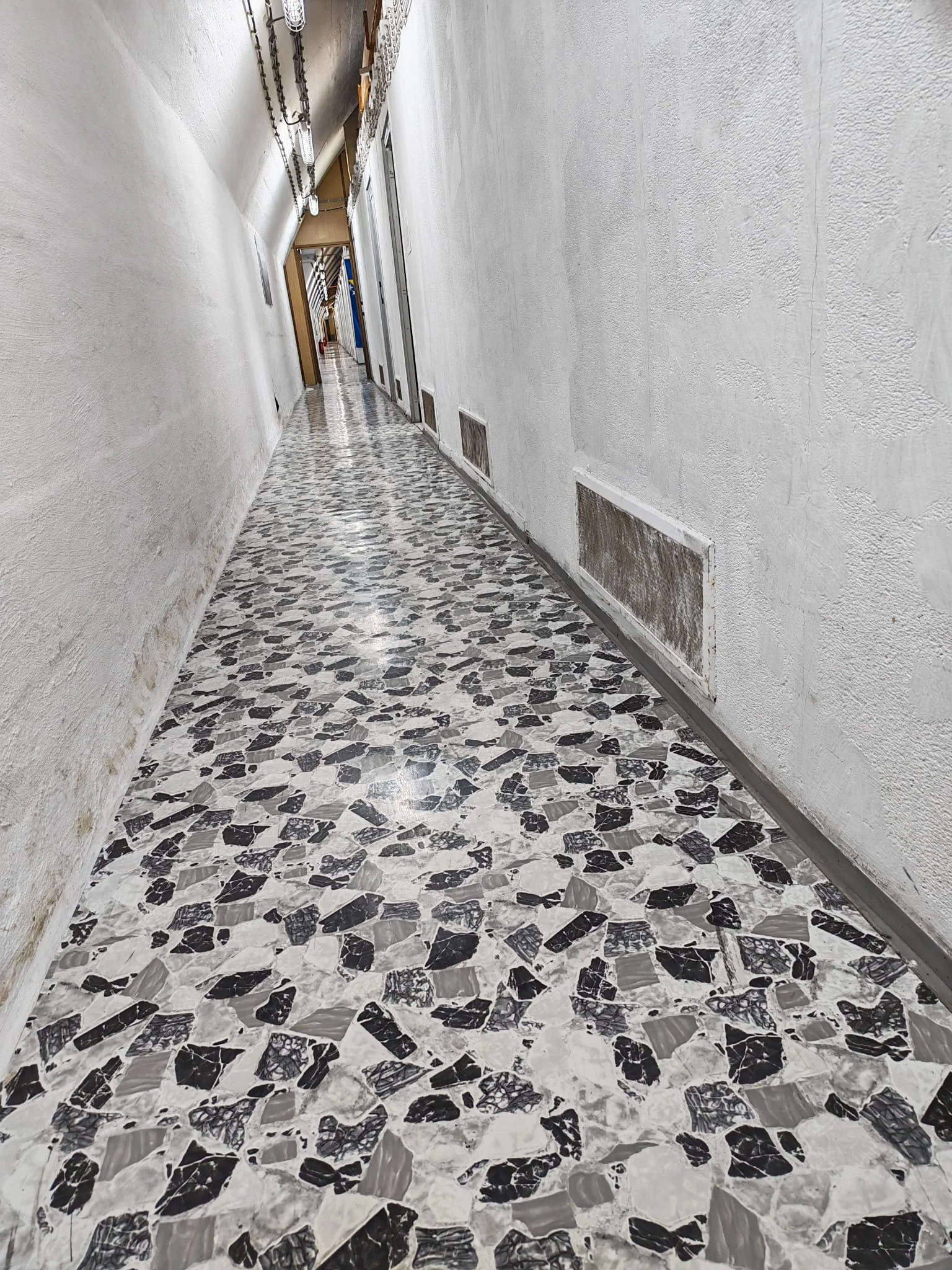
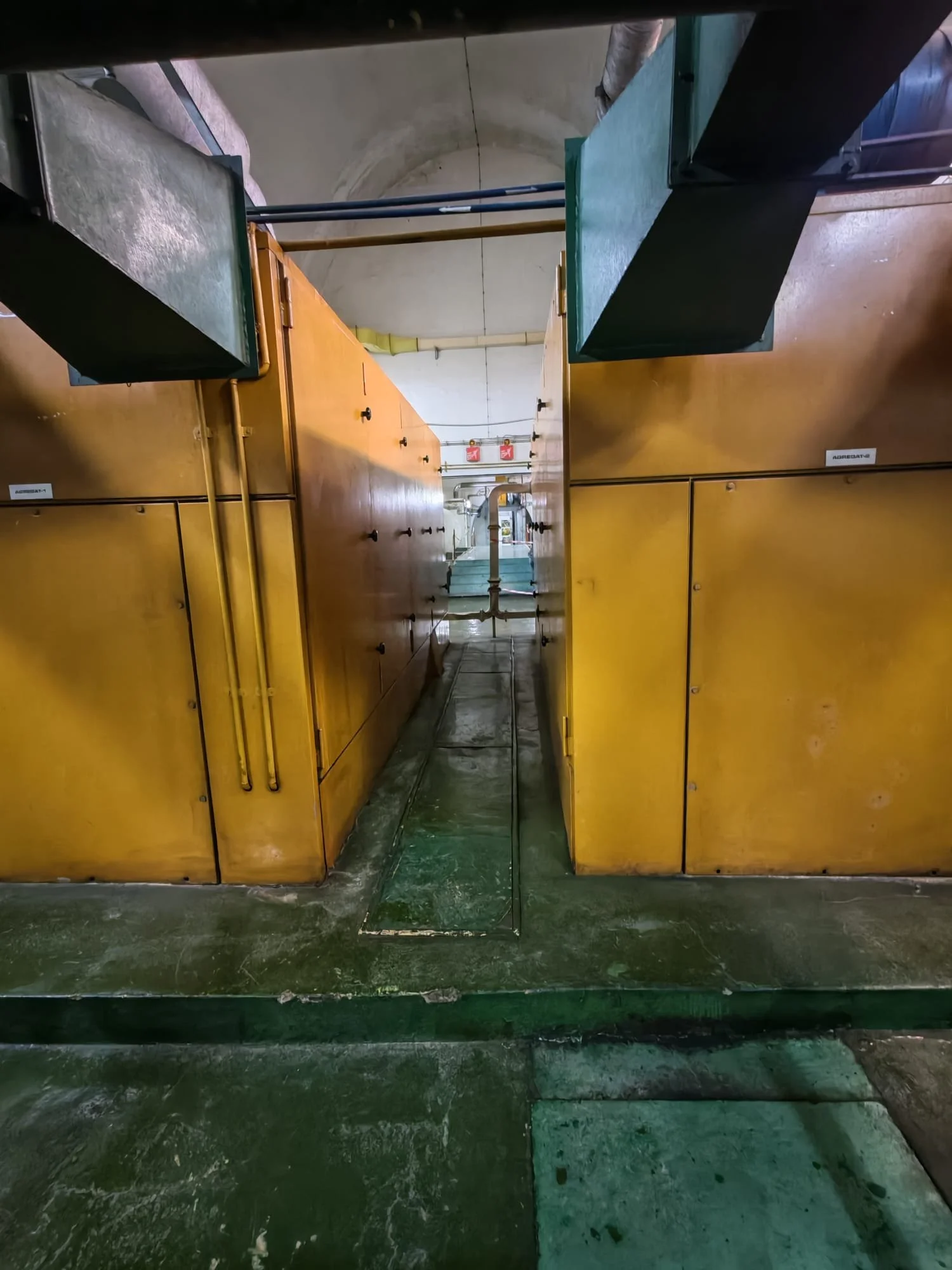
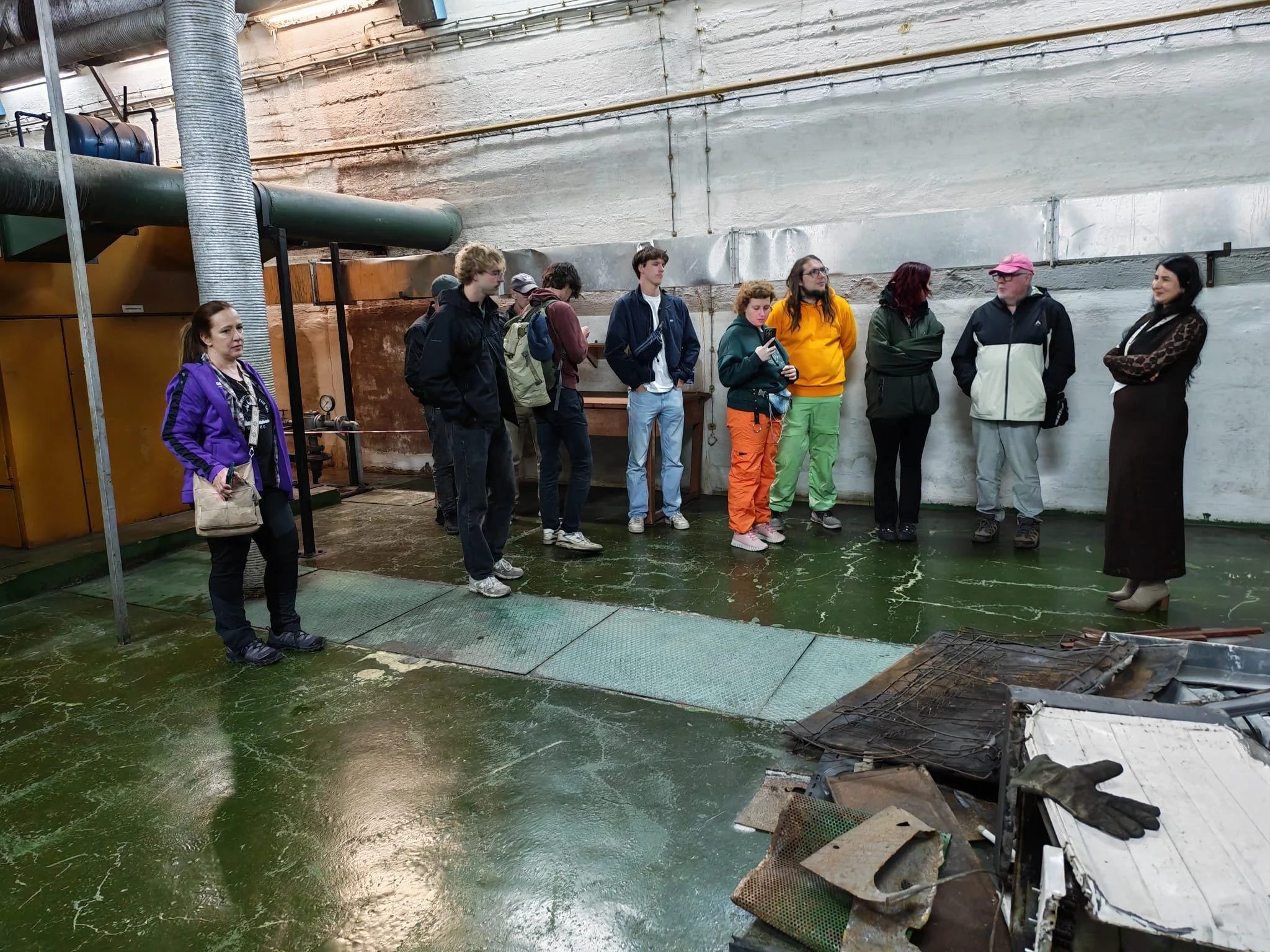
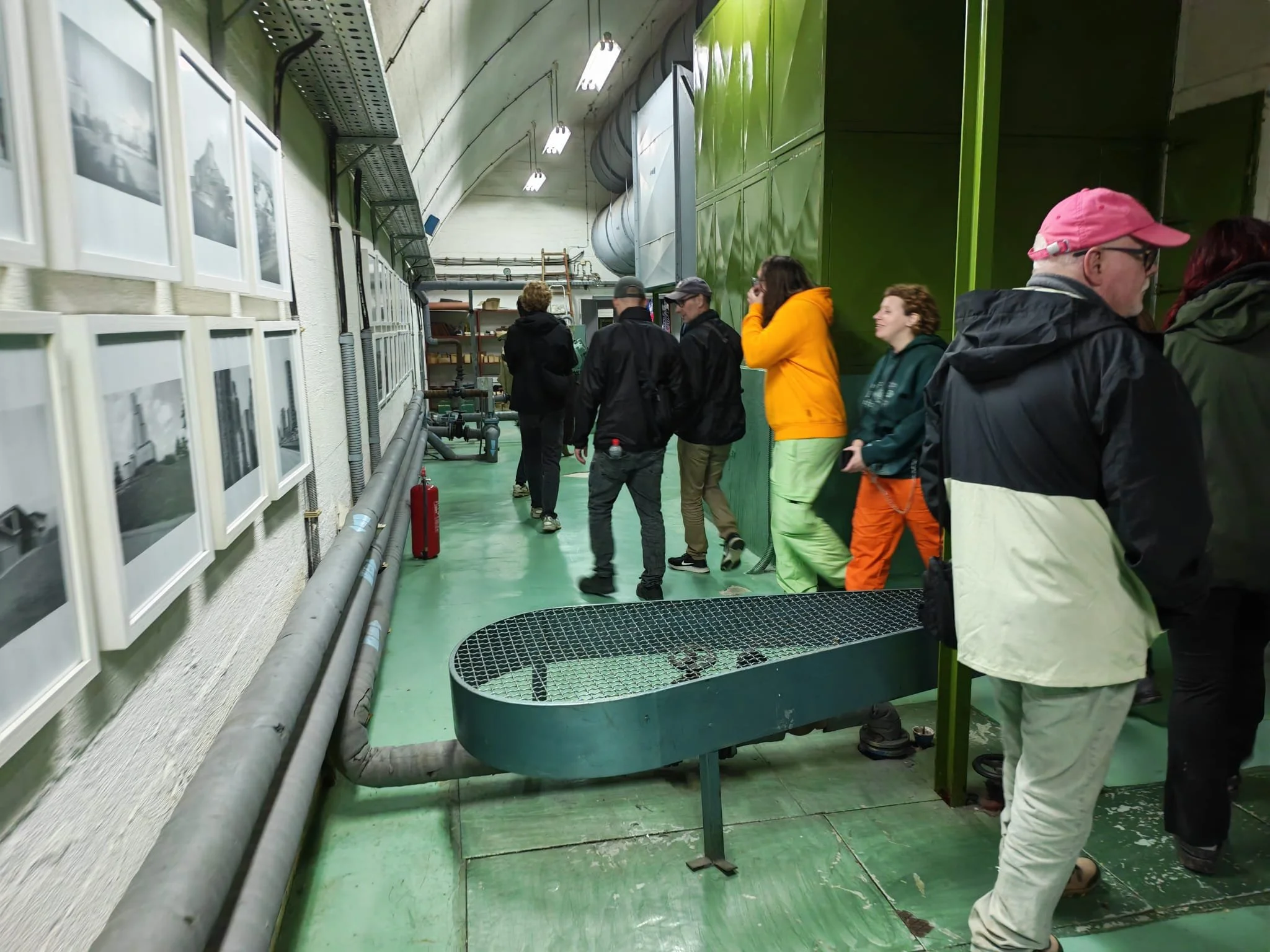
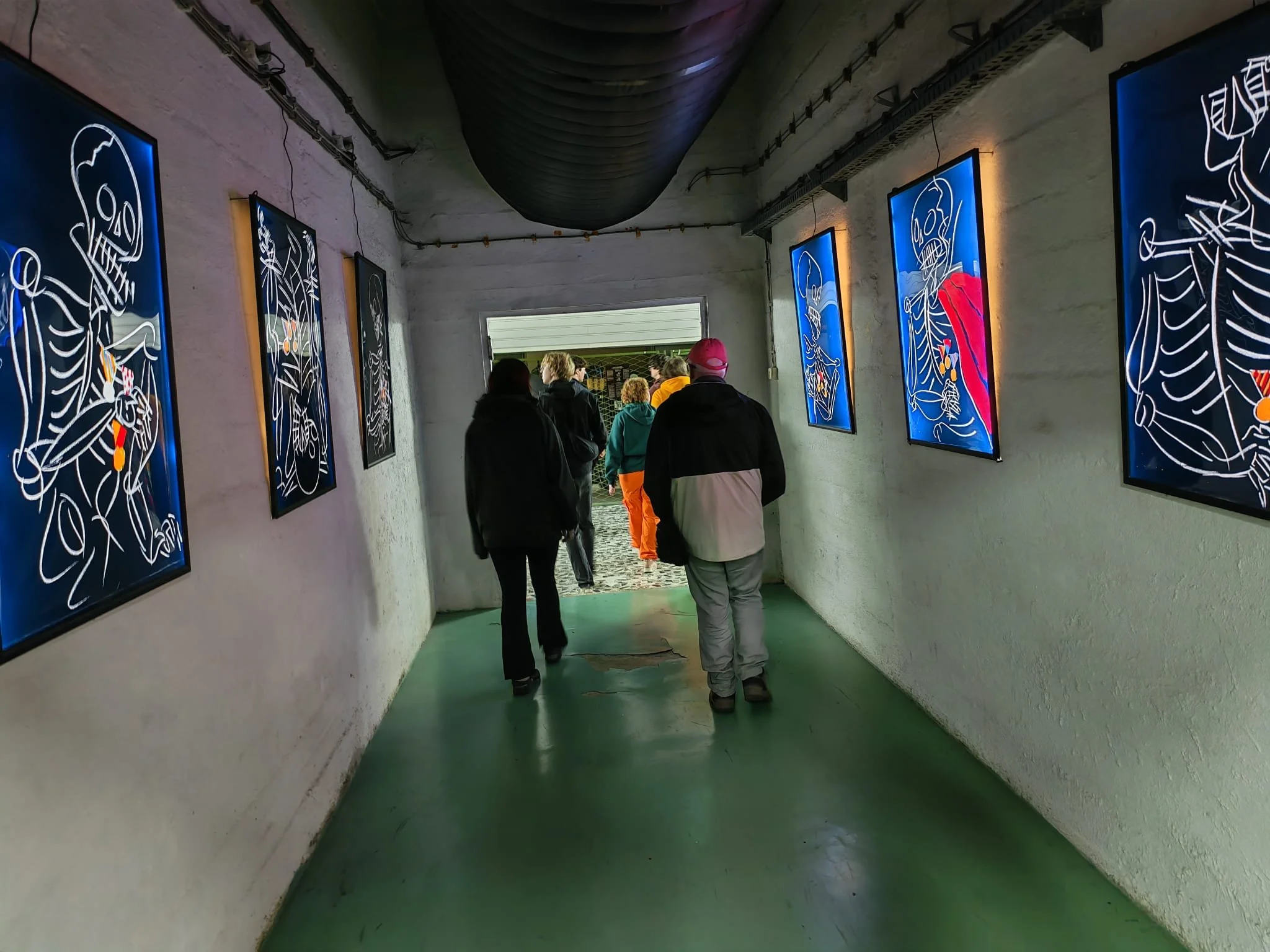
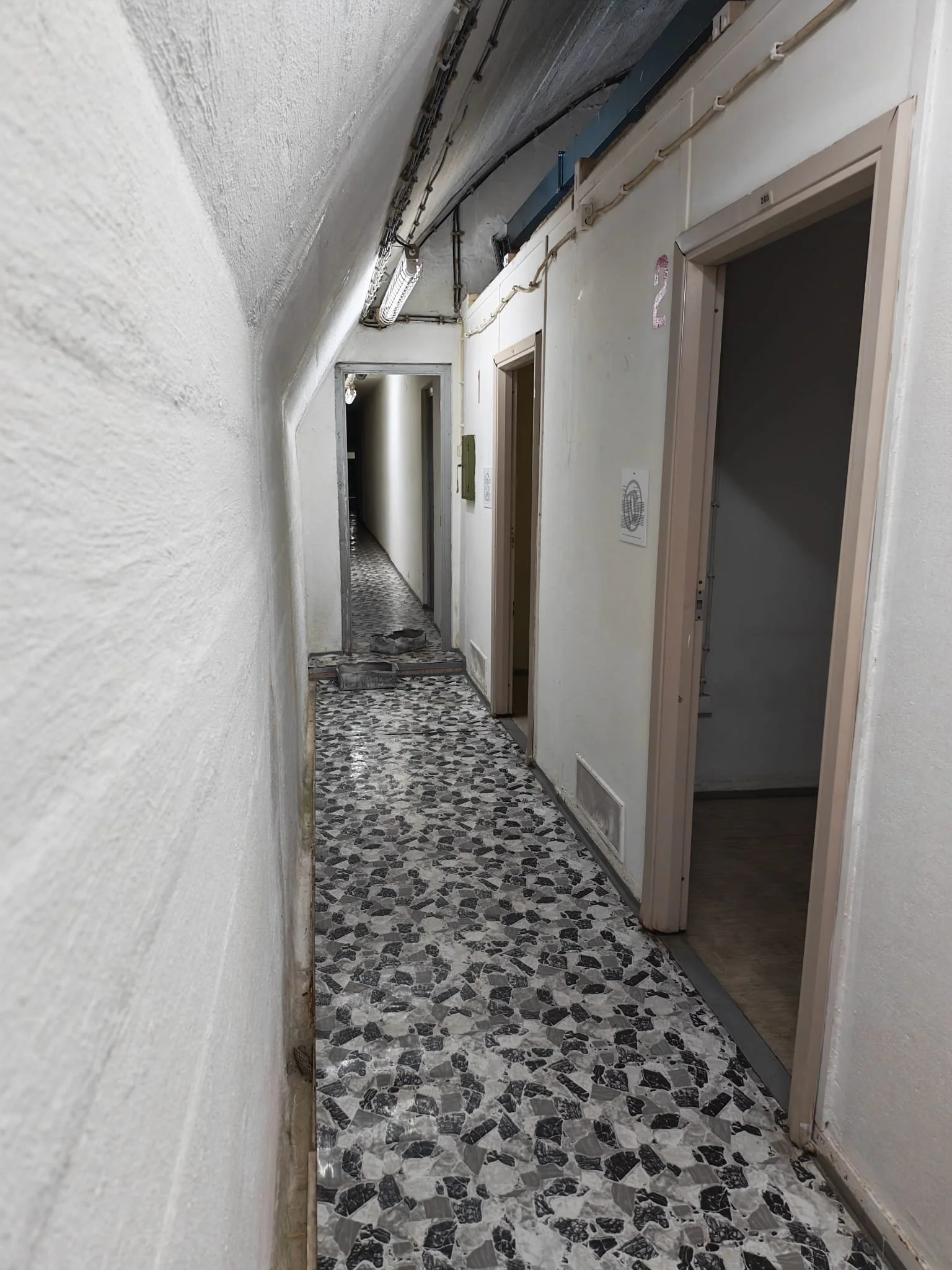
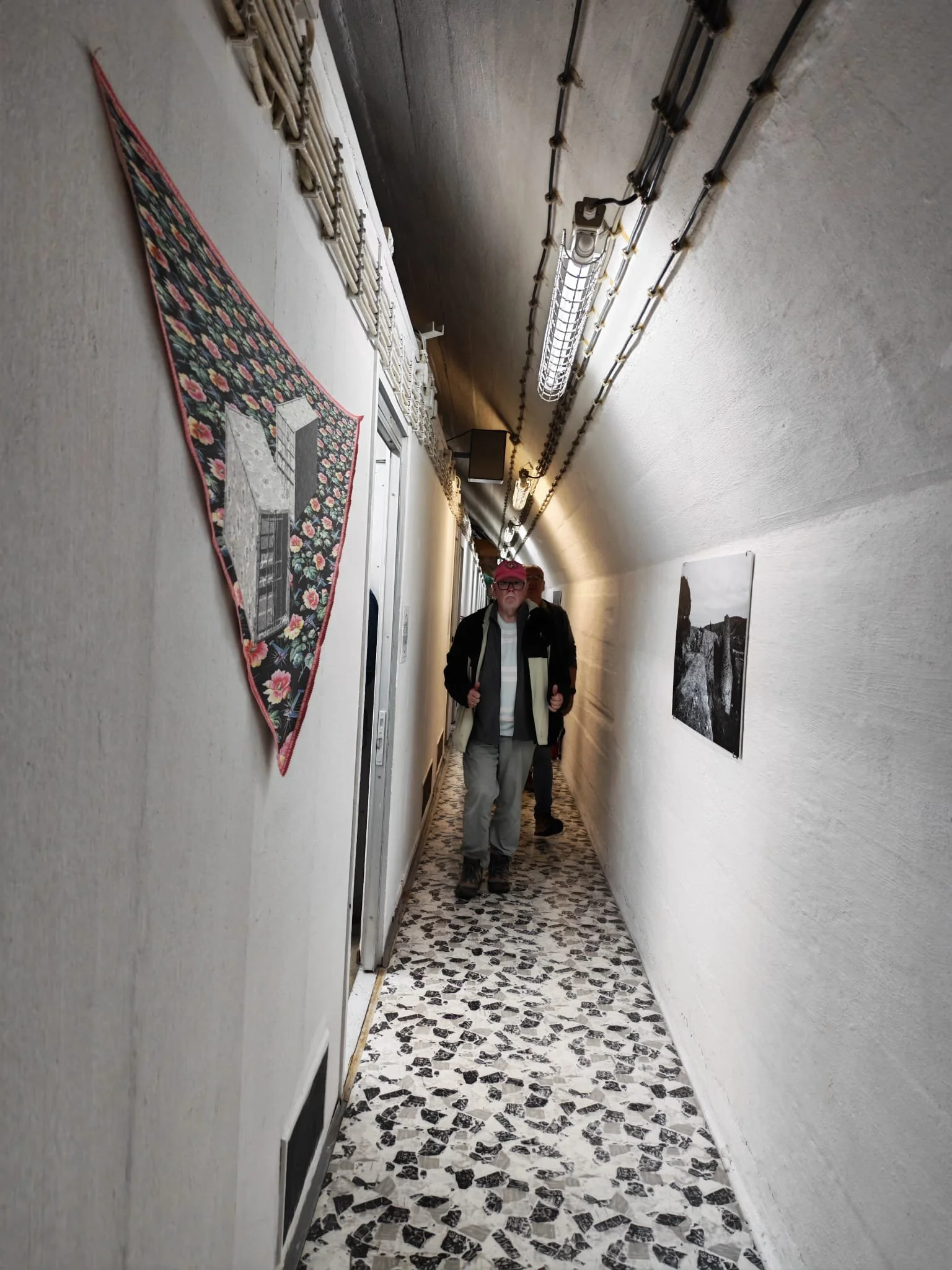
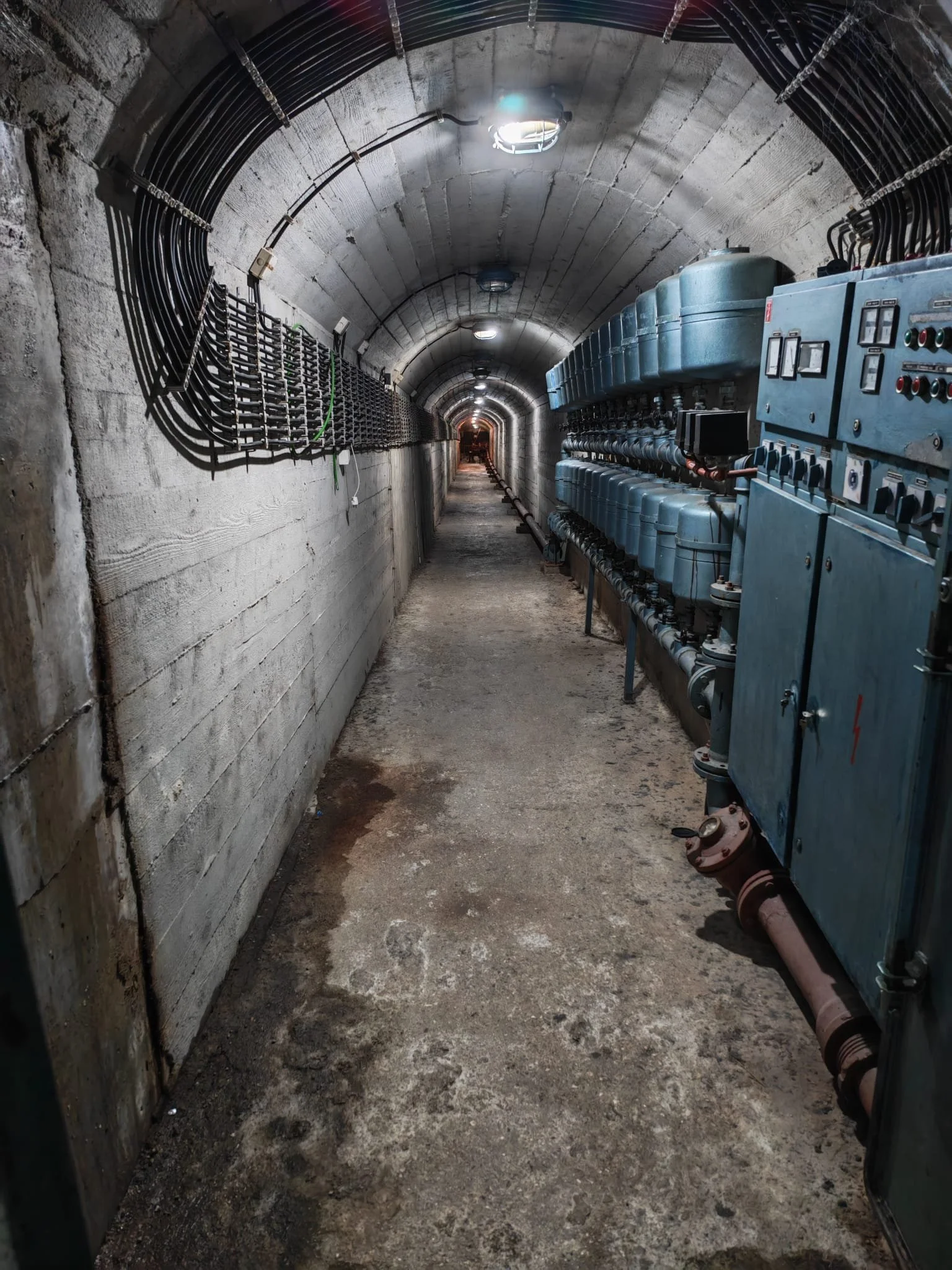
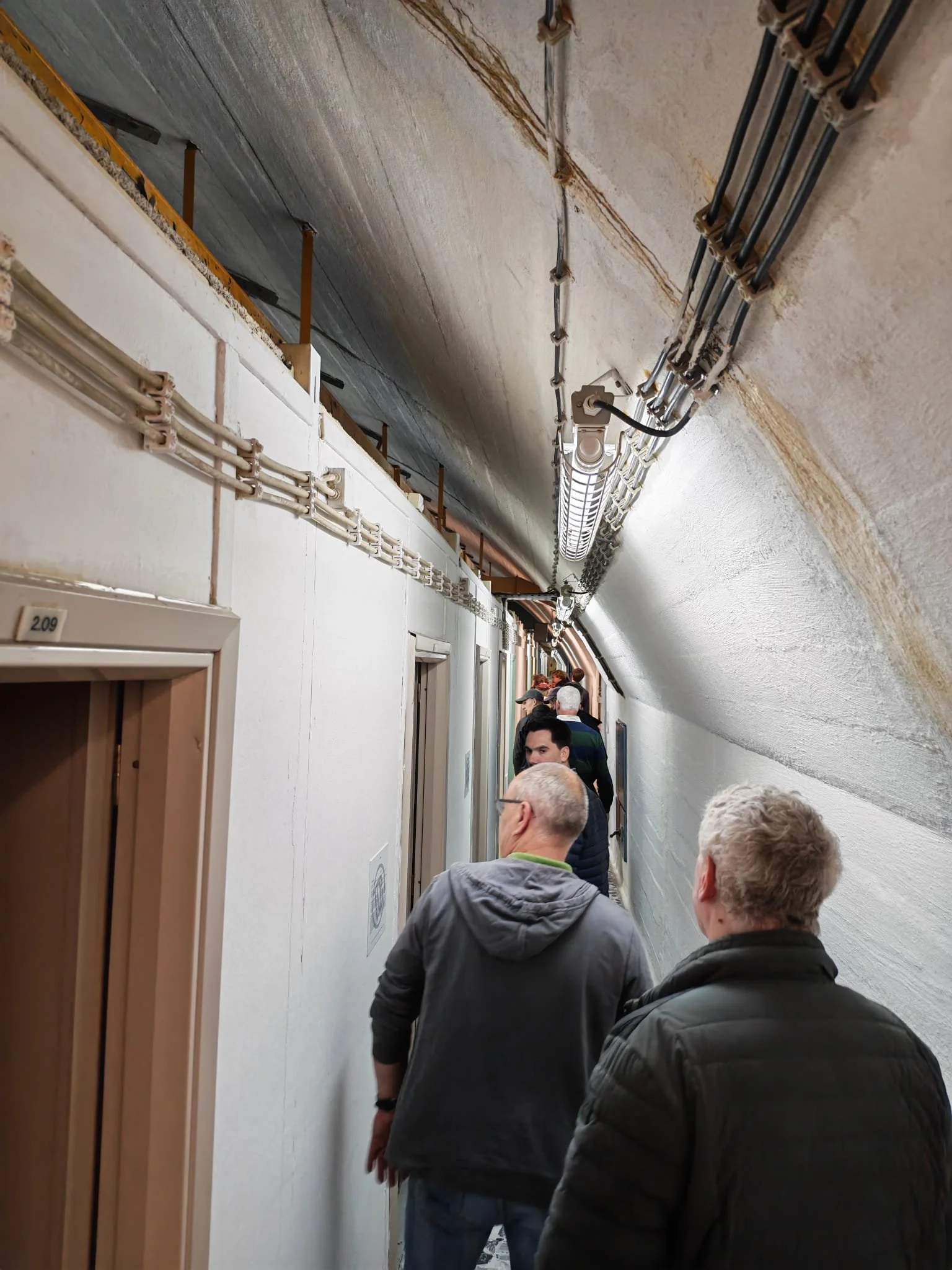
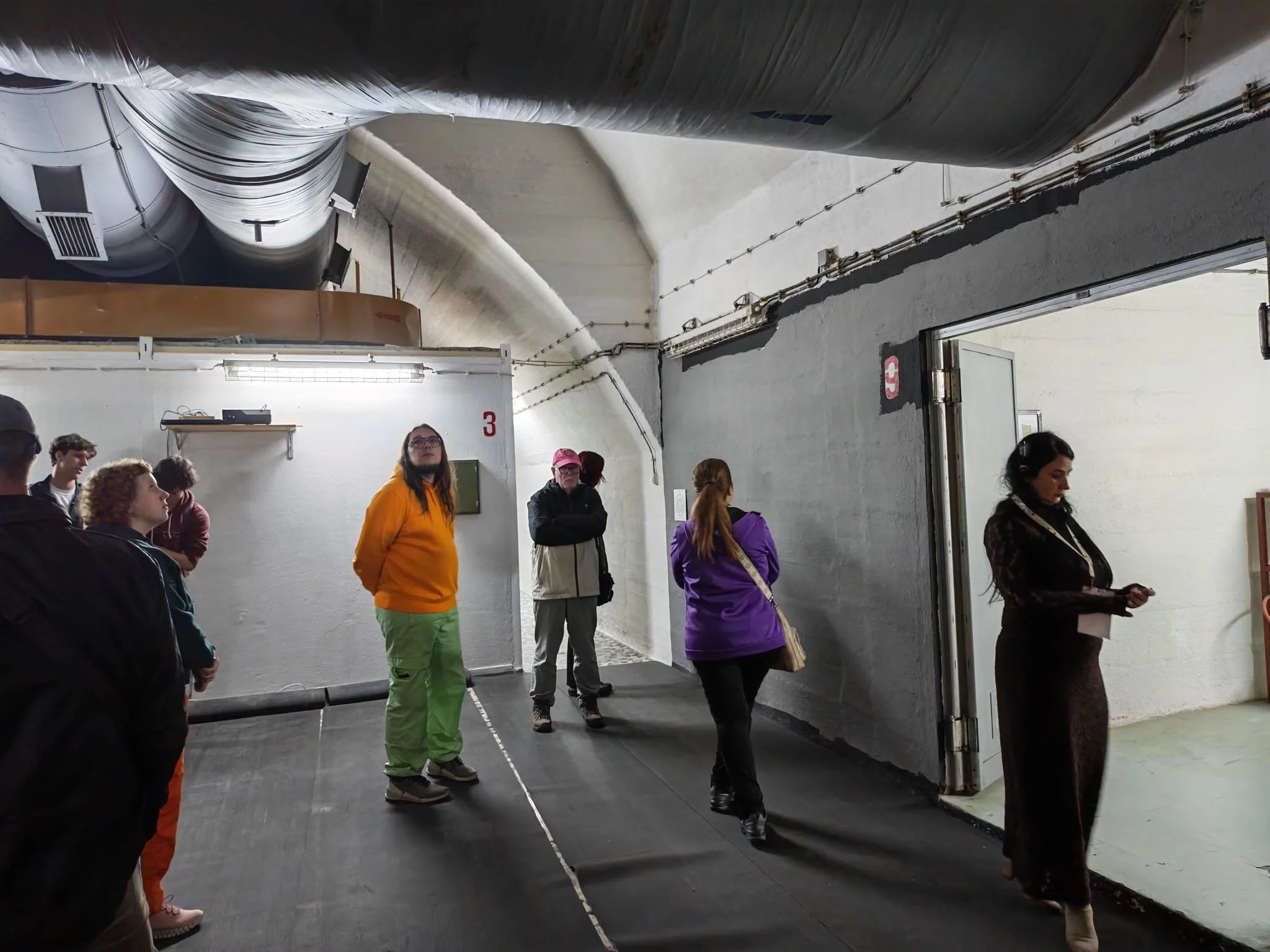
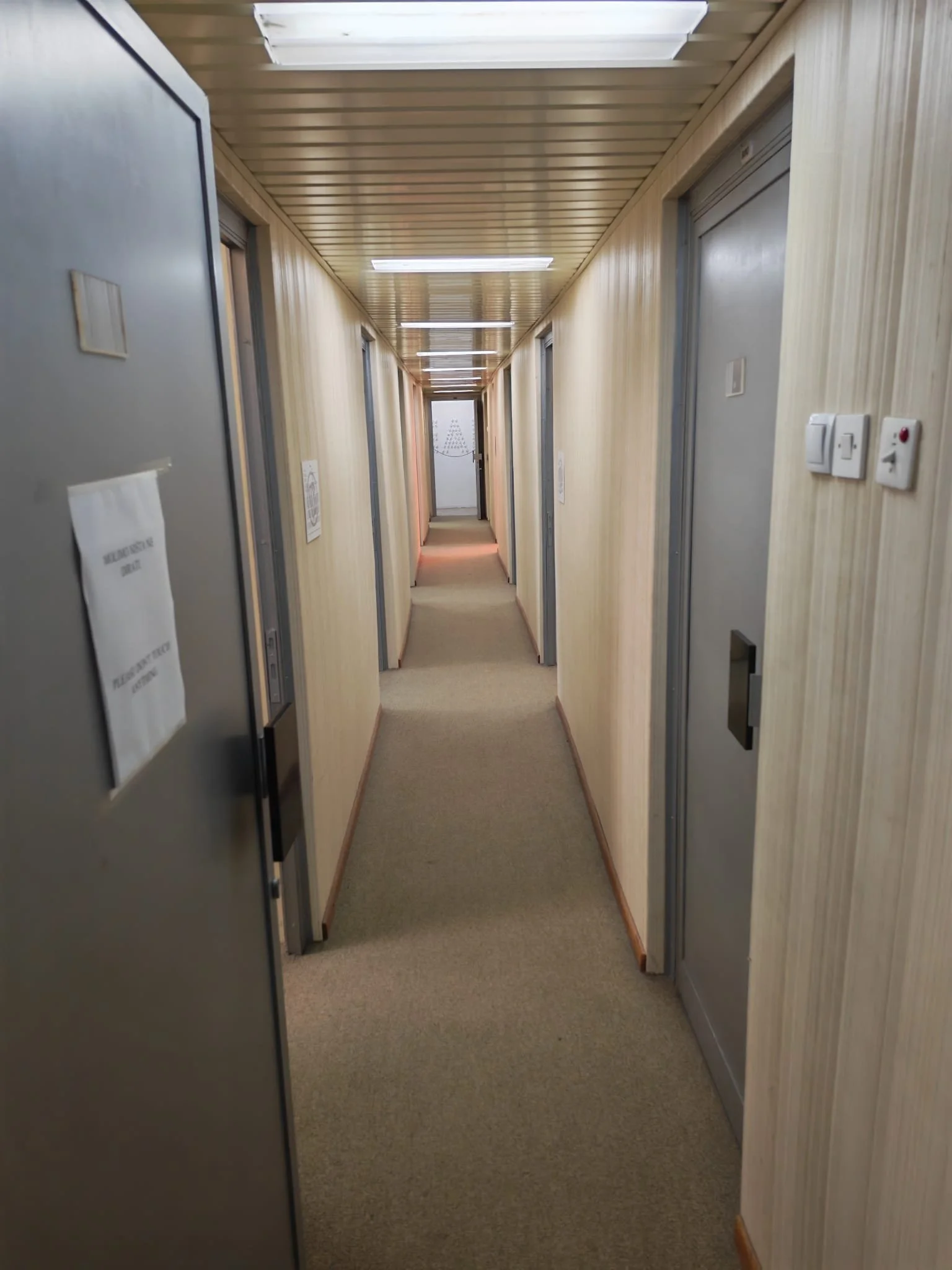
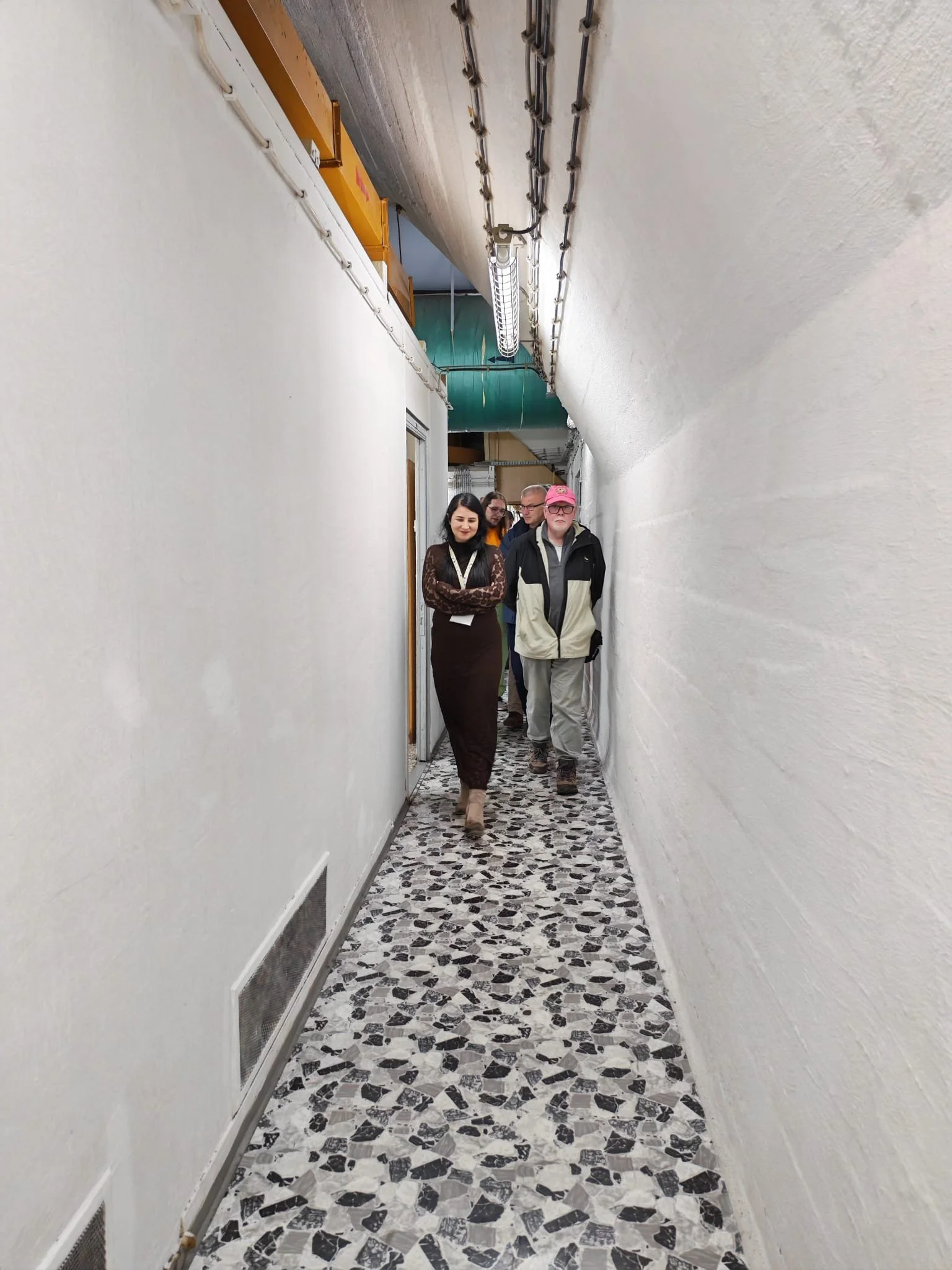
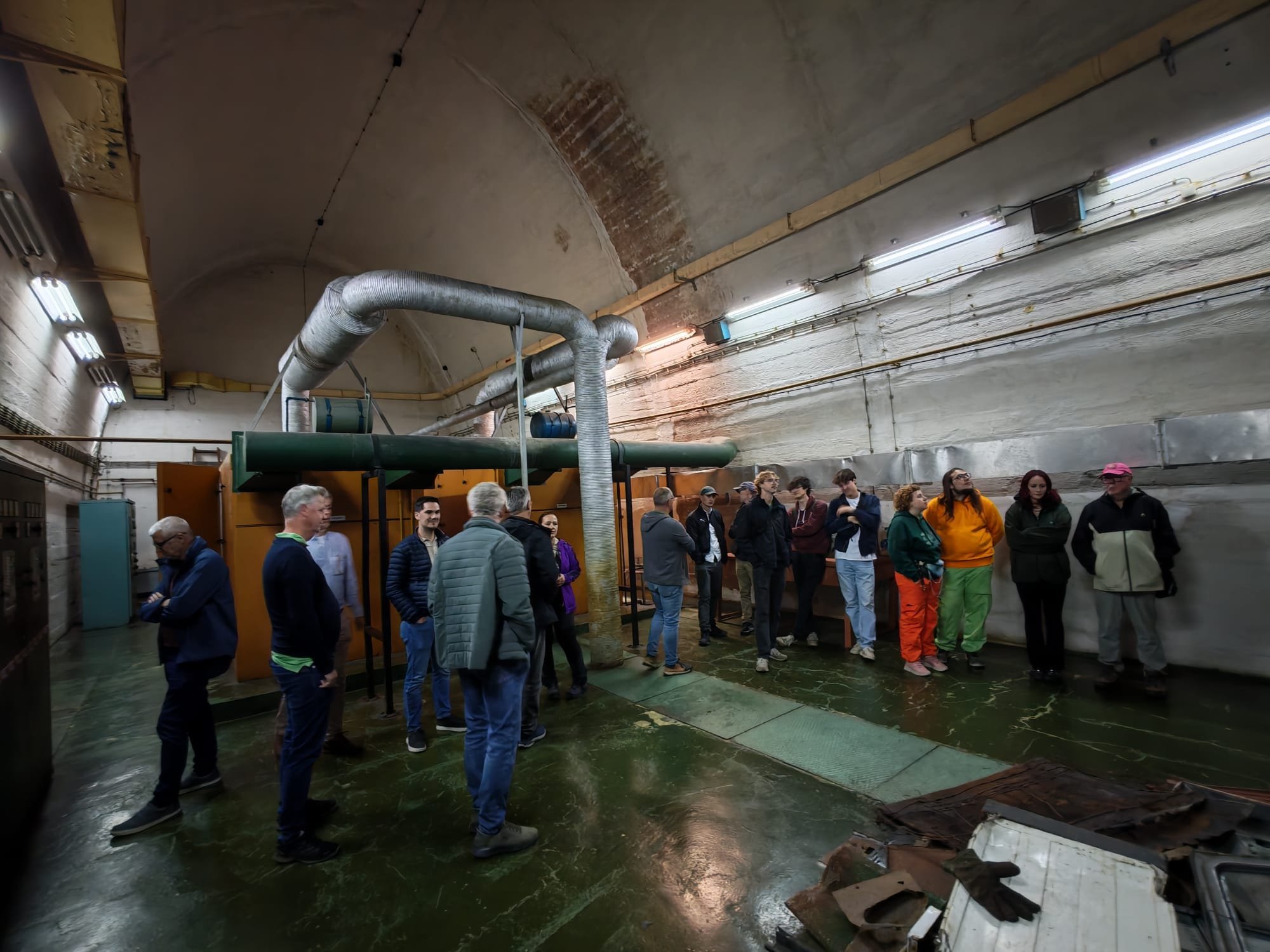
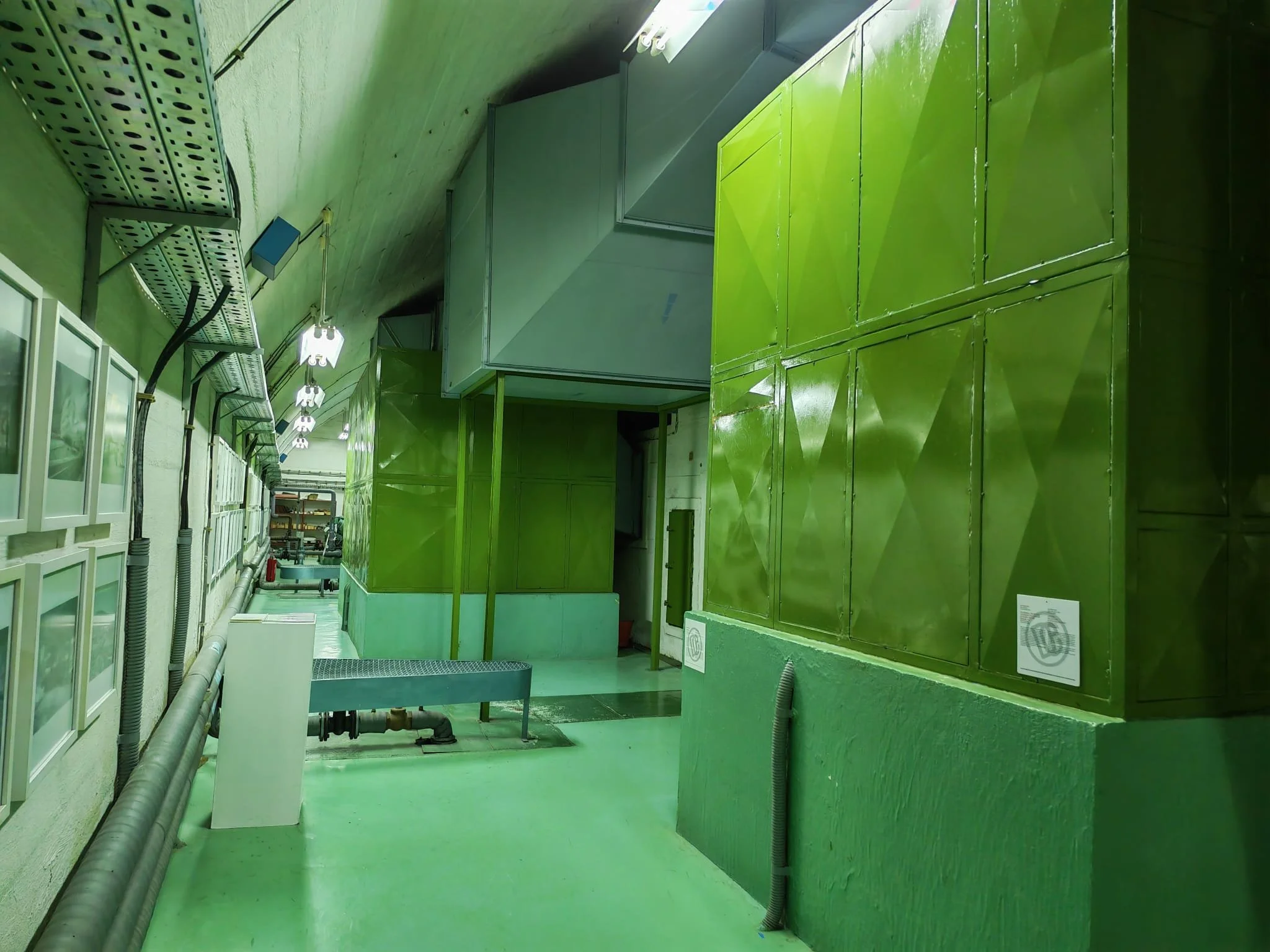
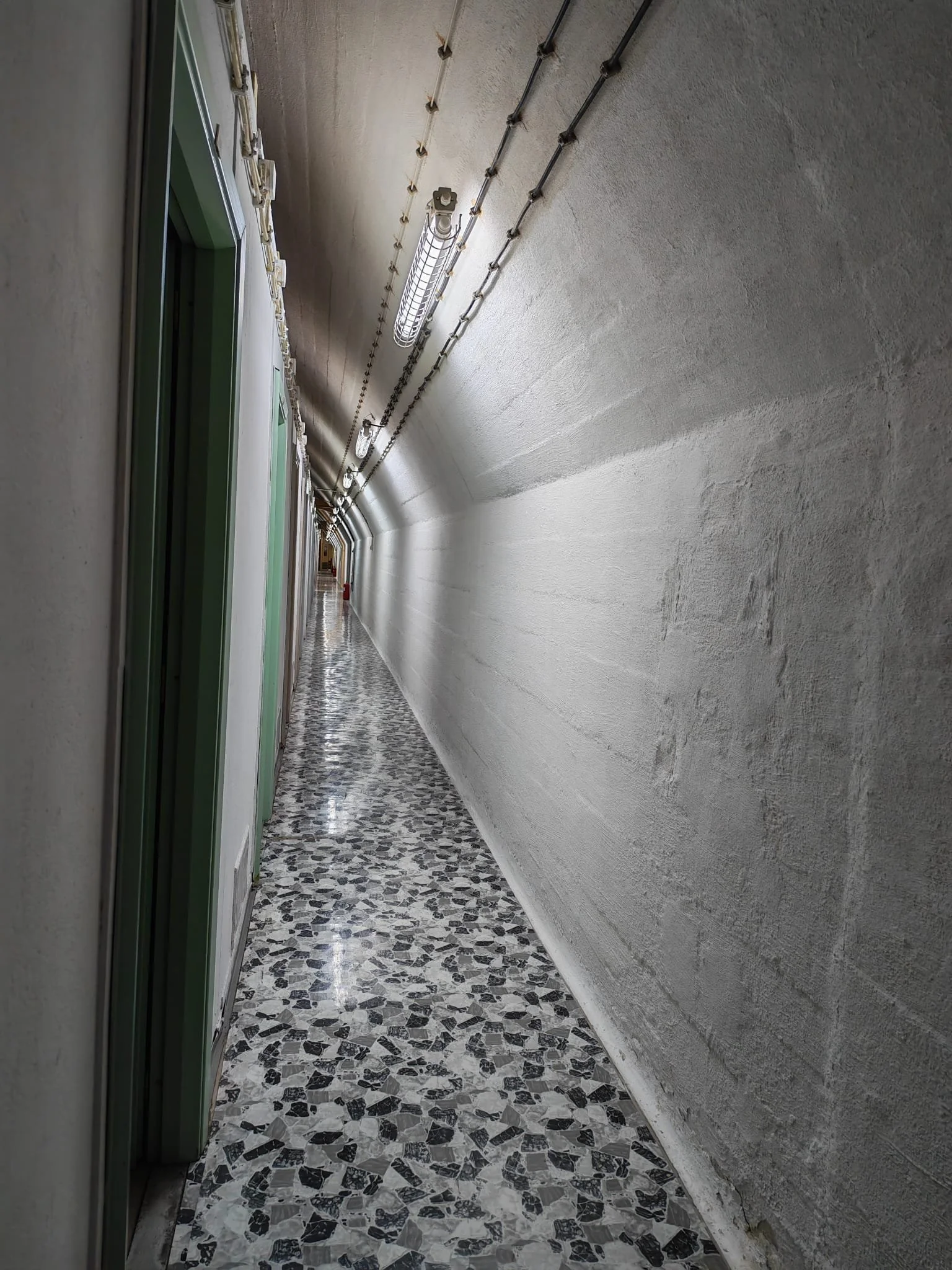
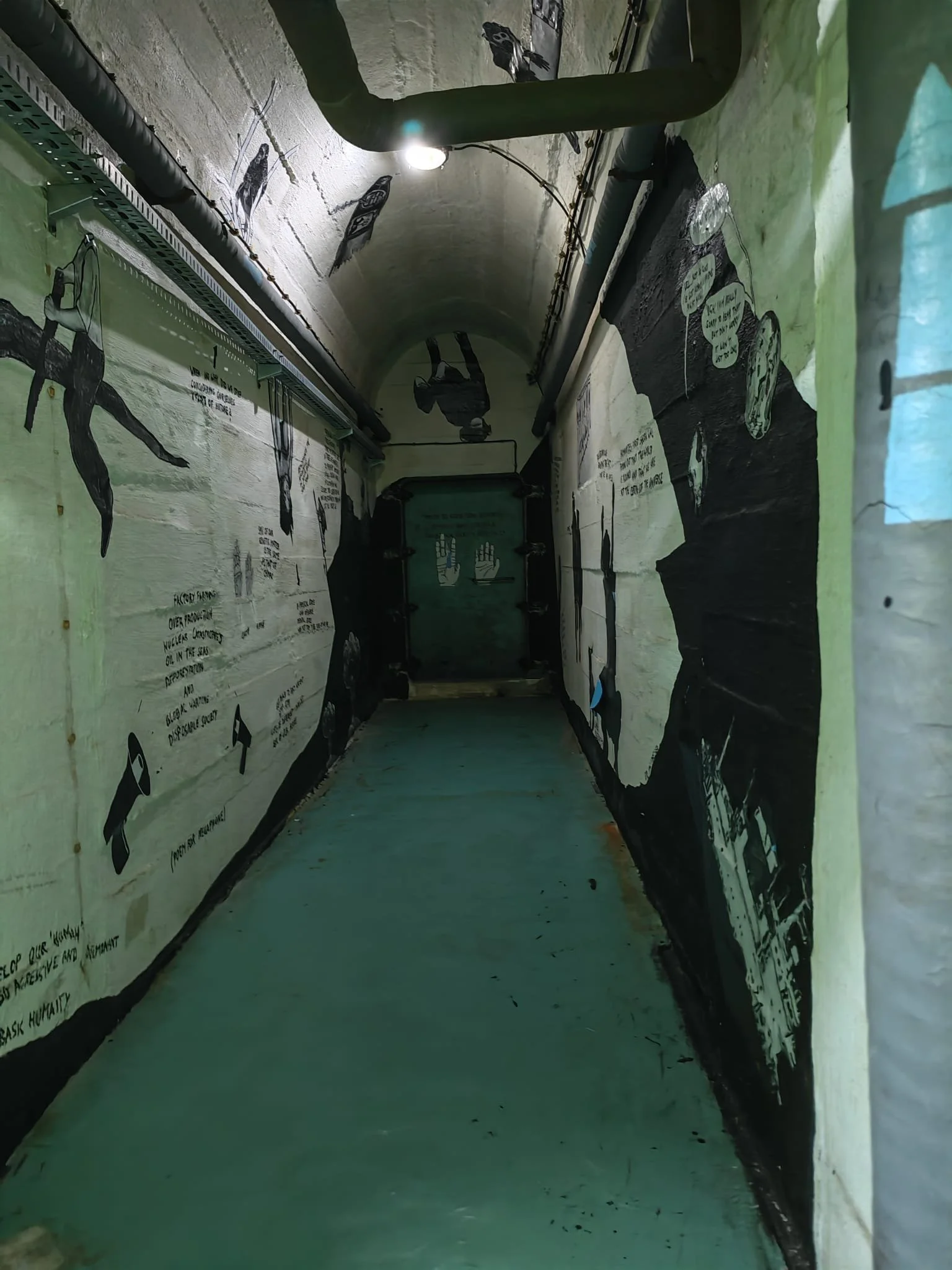
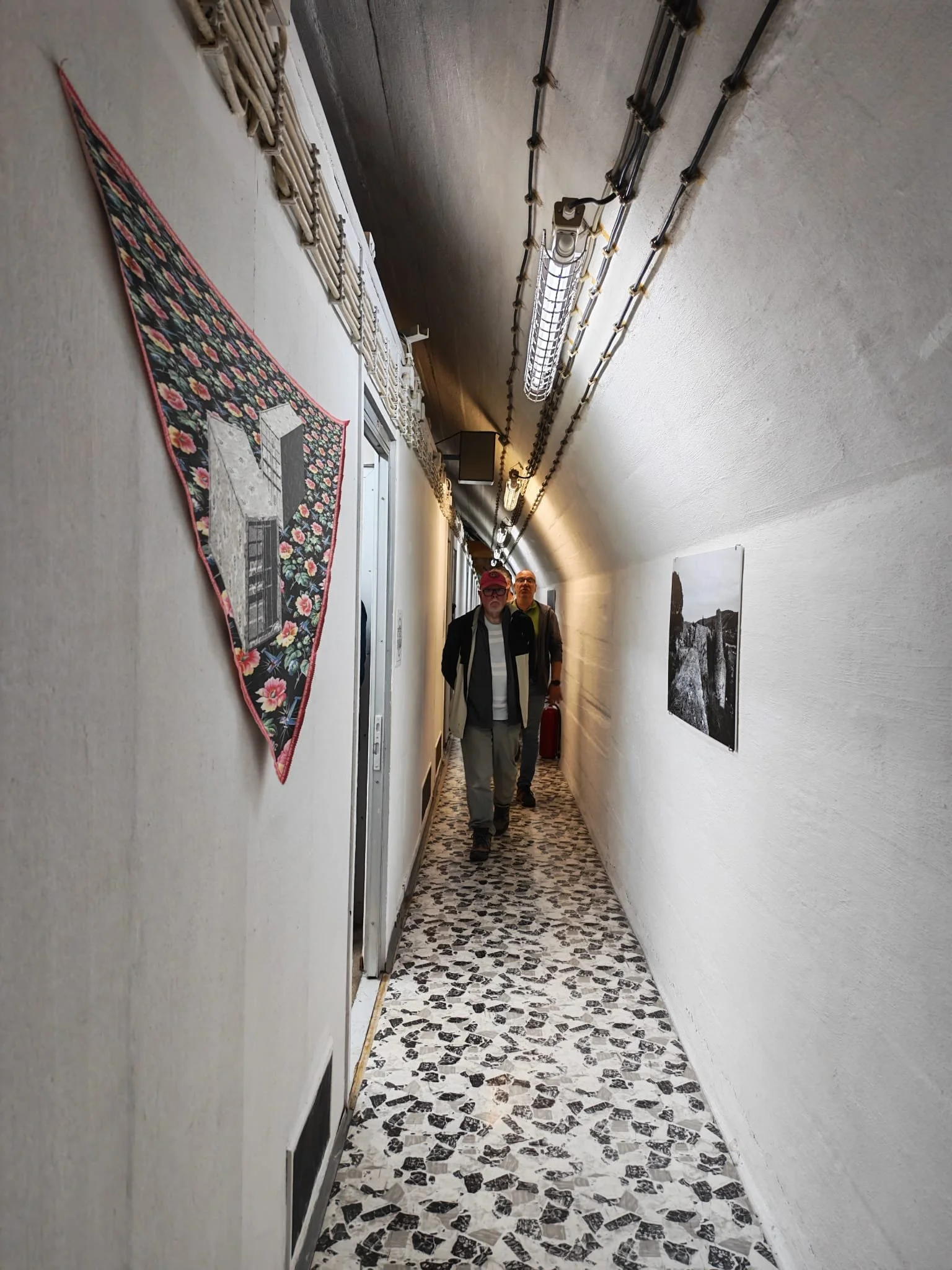
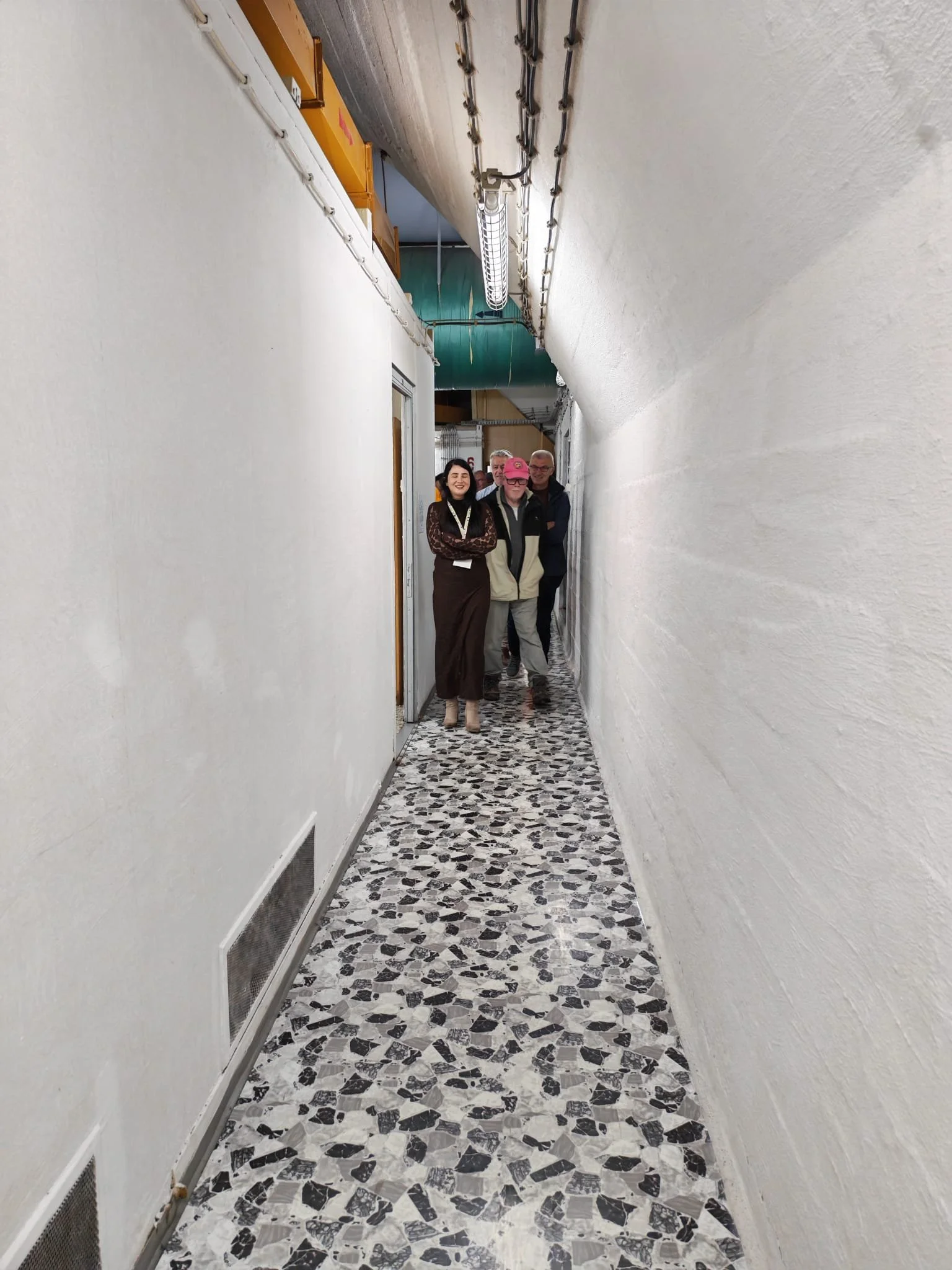
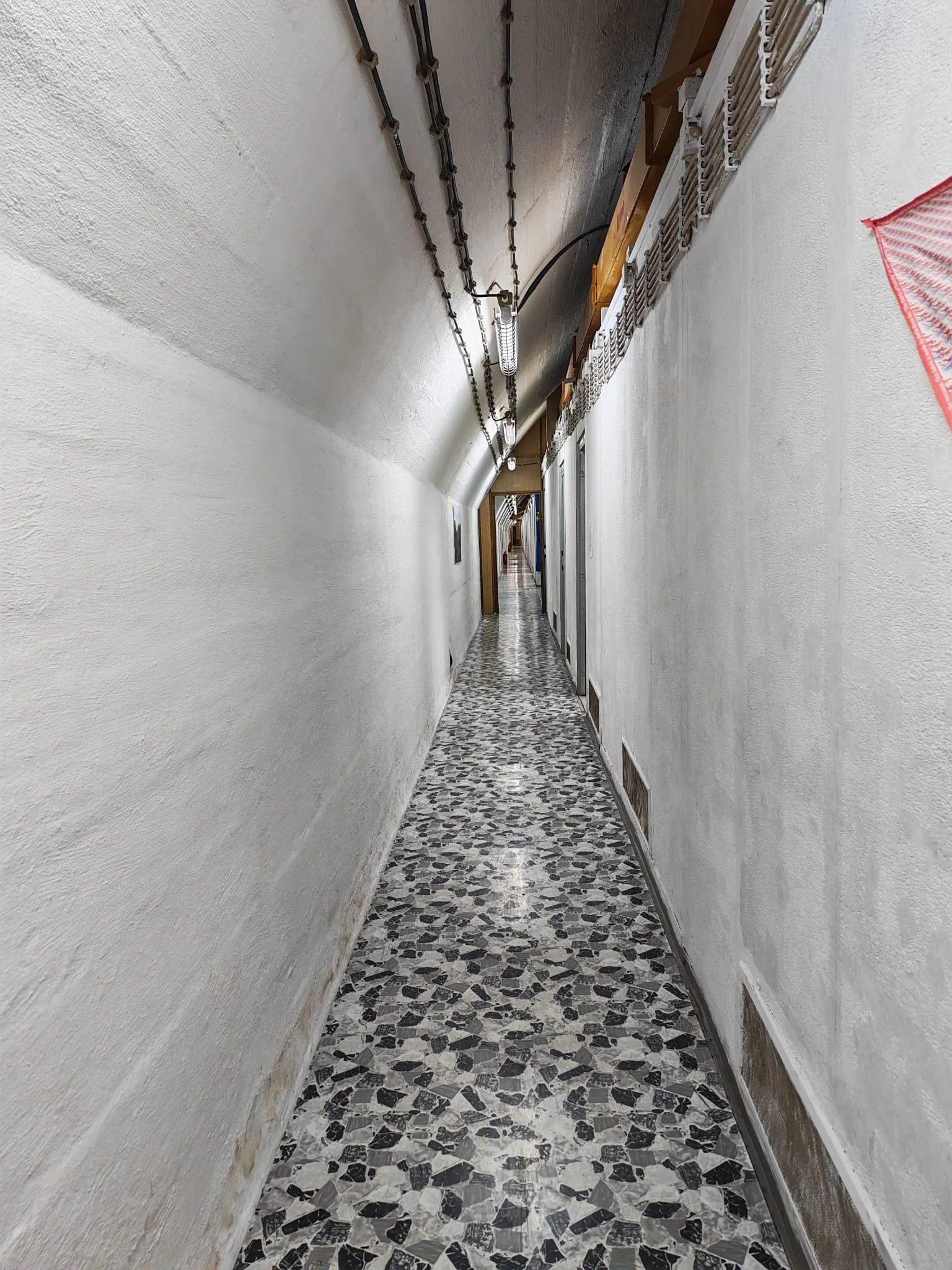
Corridors stretch ahead.
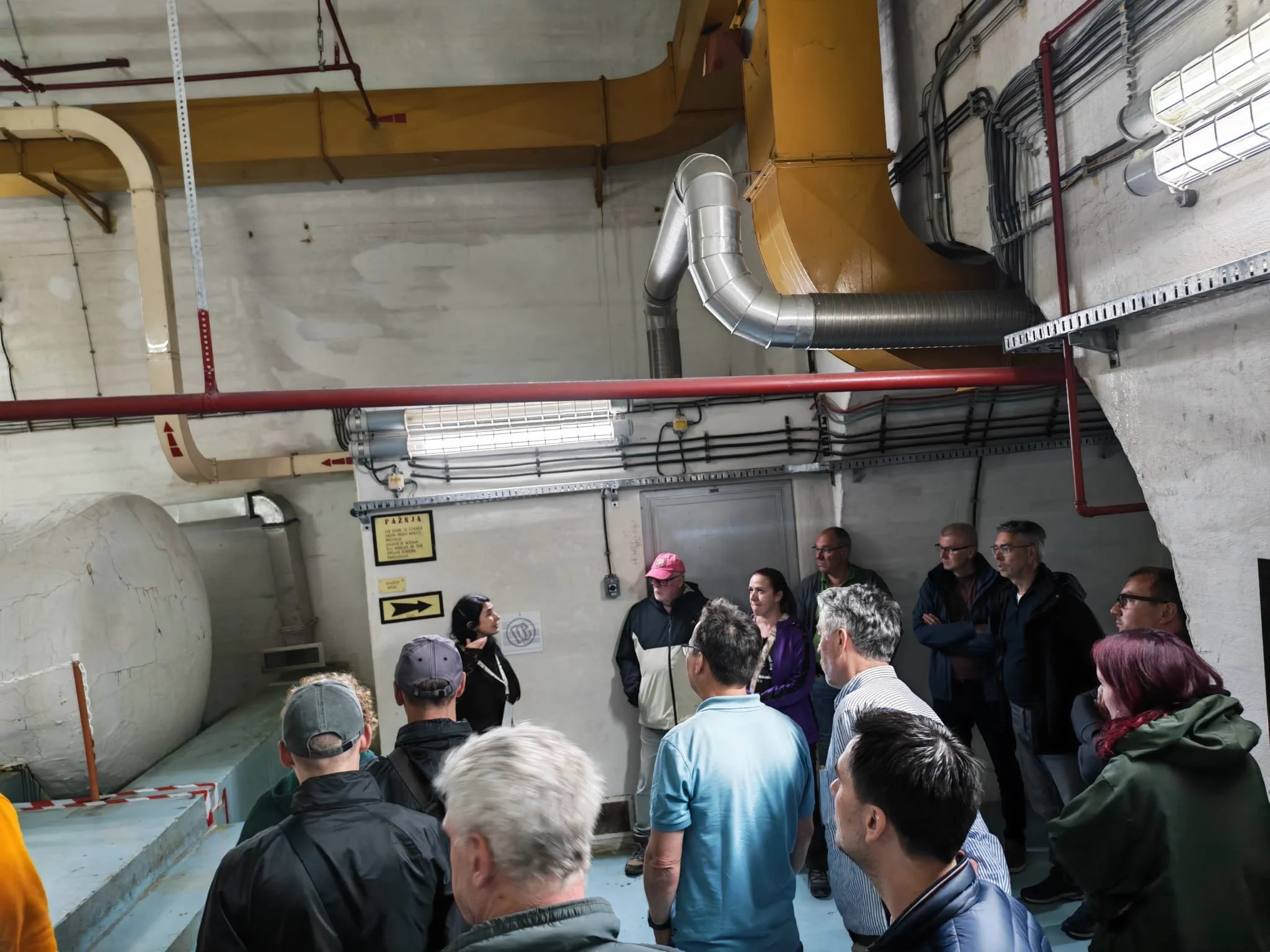
Pipes run overhead.
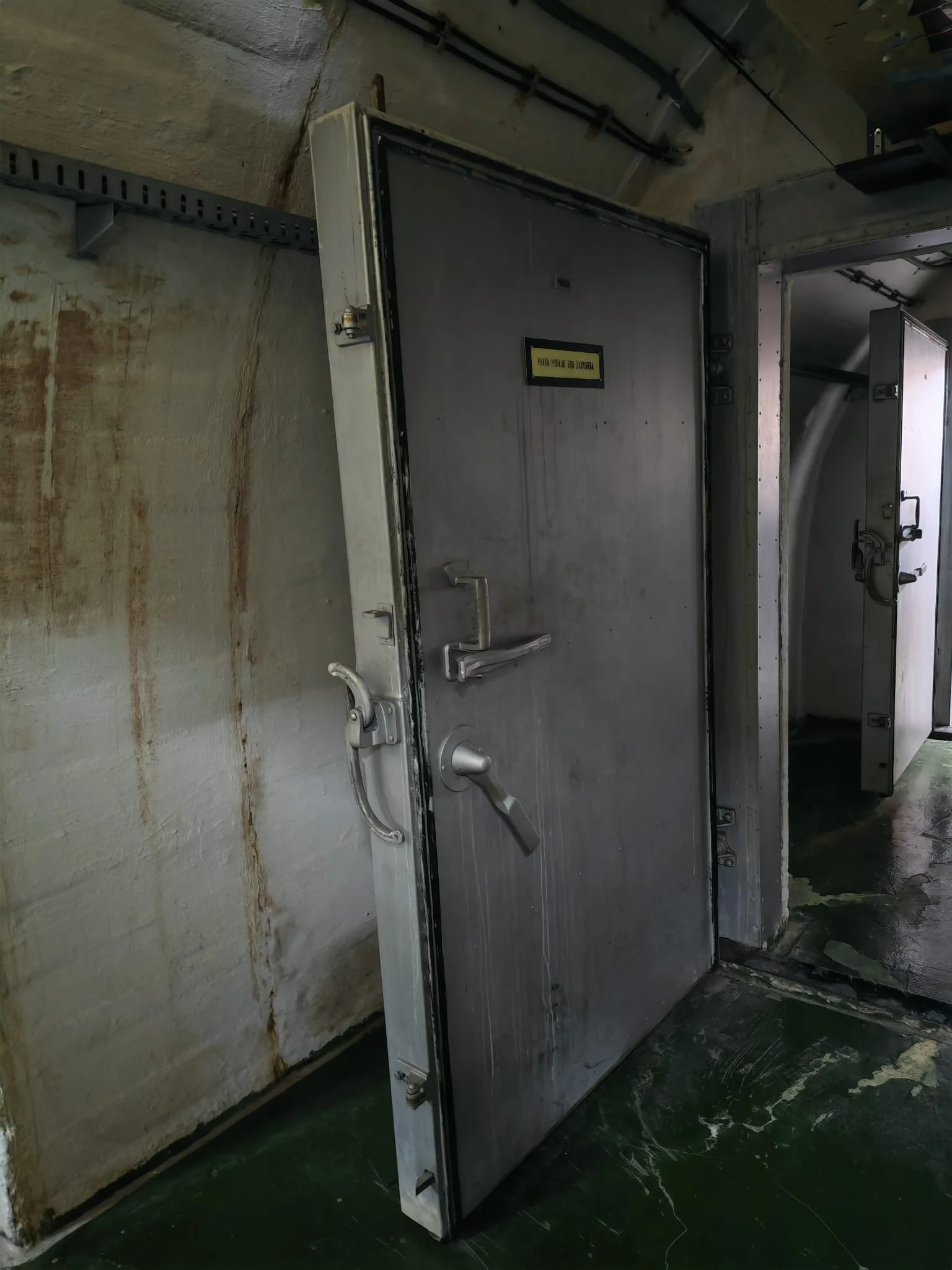
Doors feel heavy and serious.
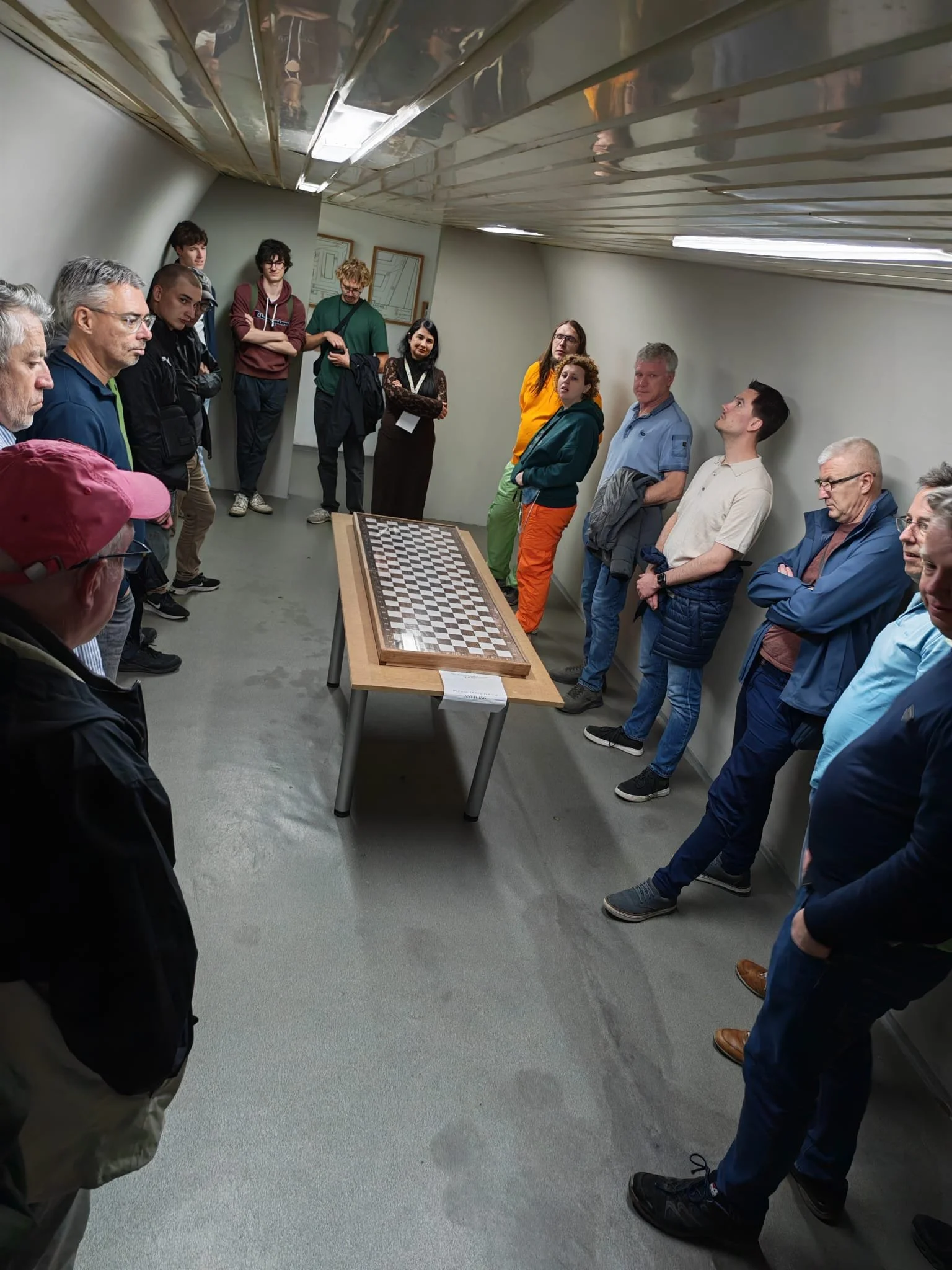
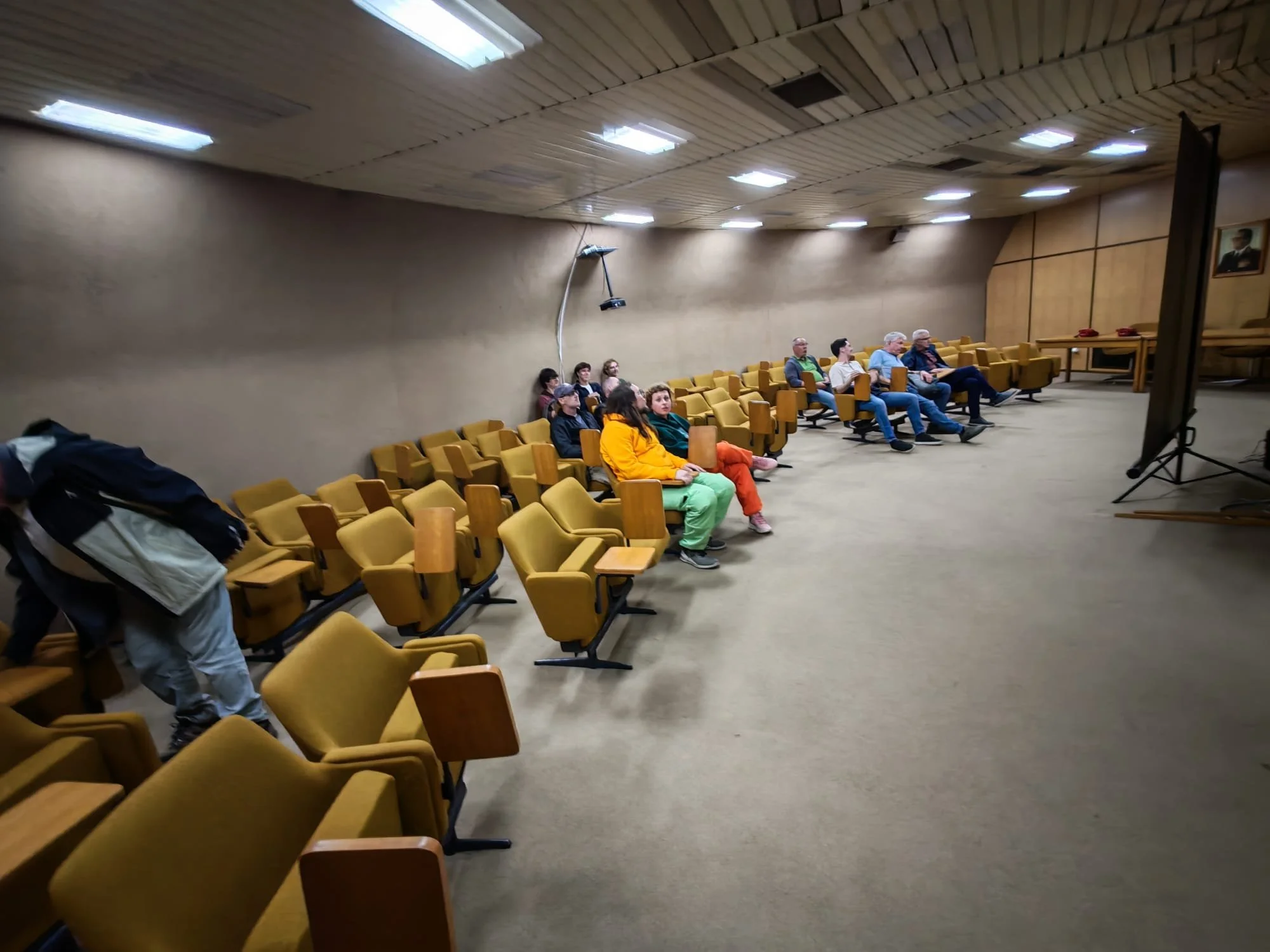
Rooms appear one after another.
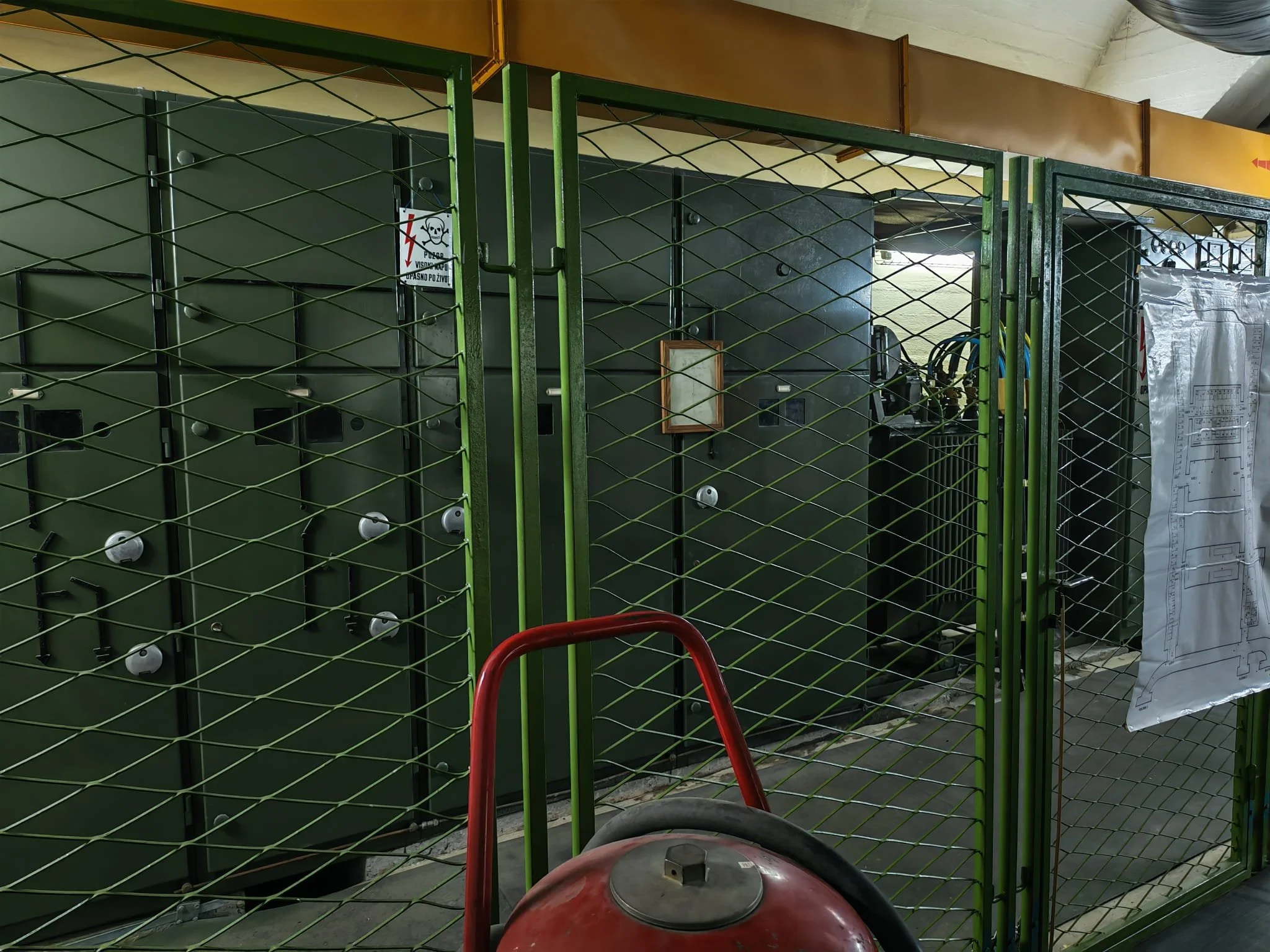
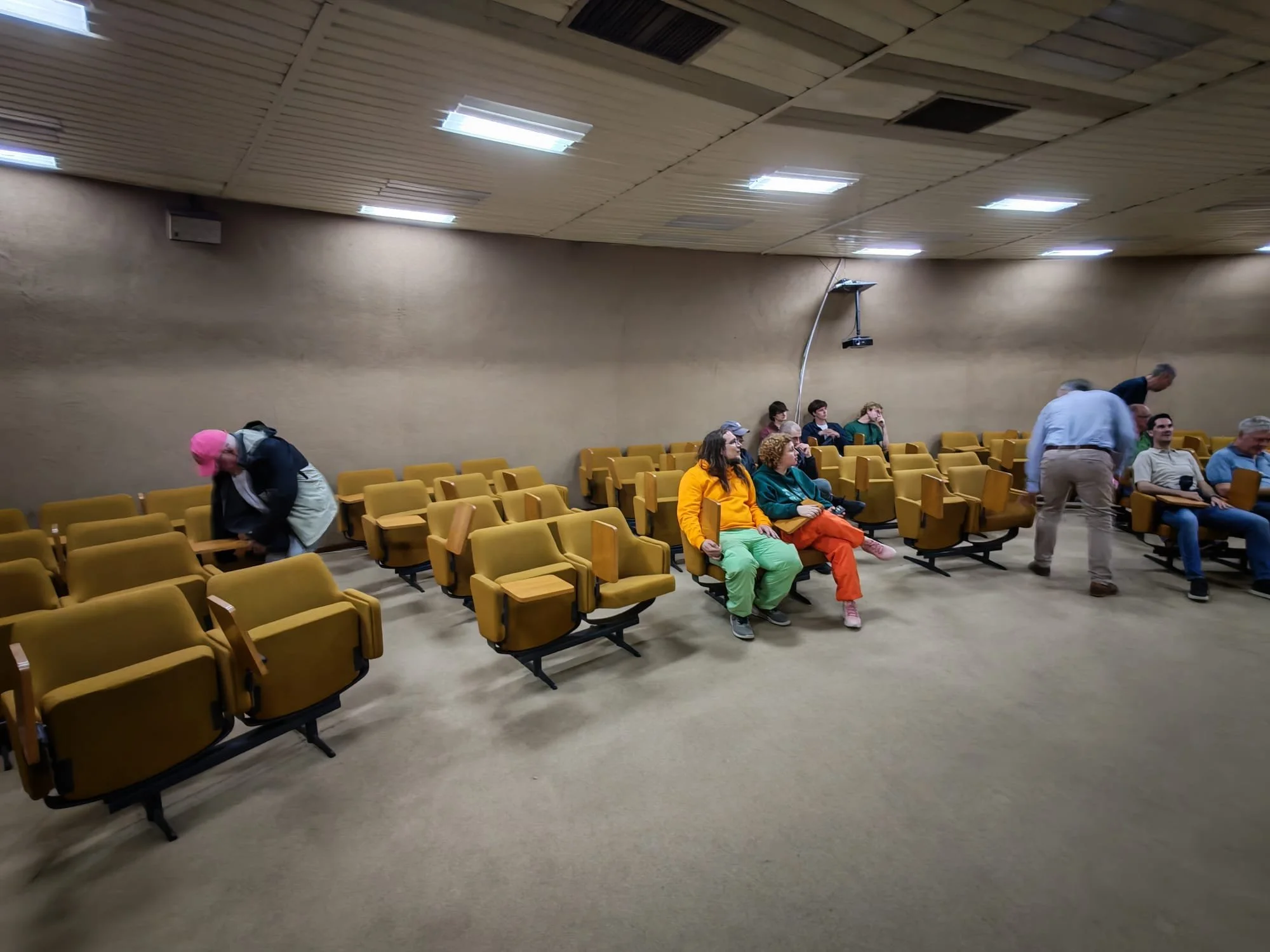
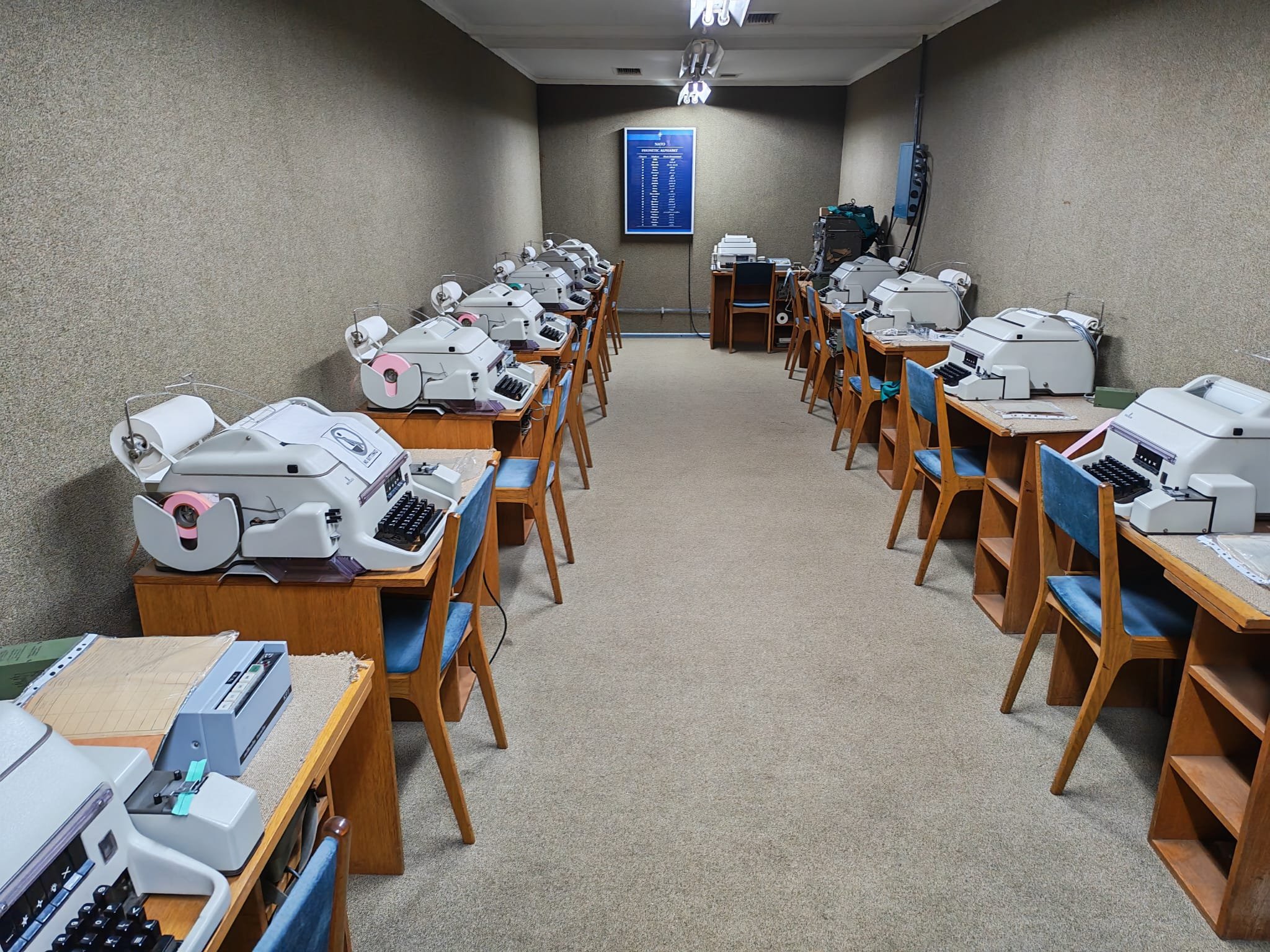
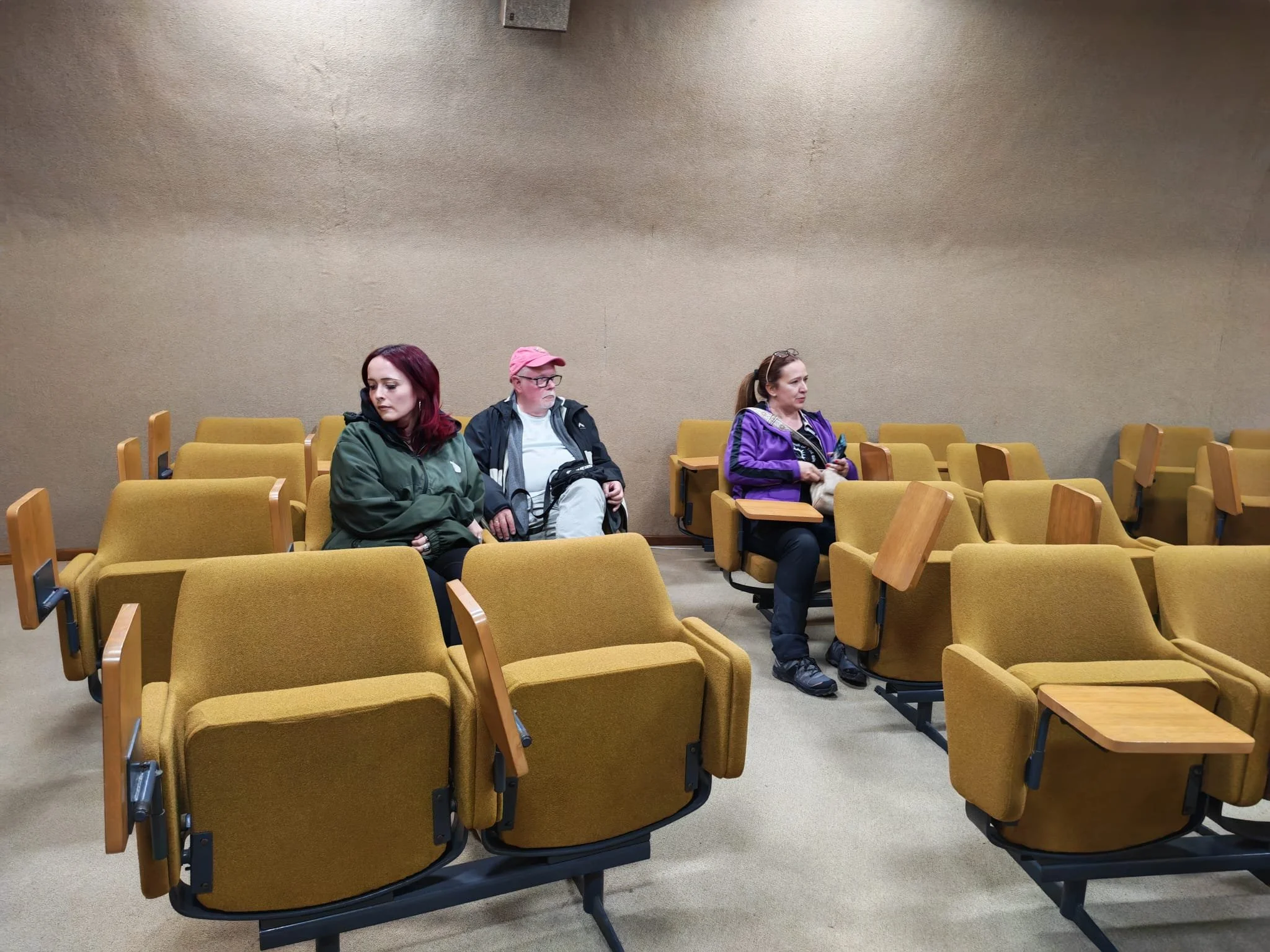
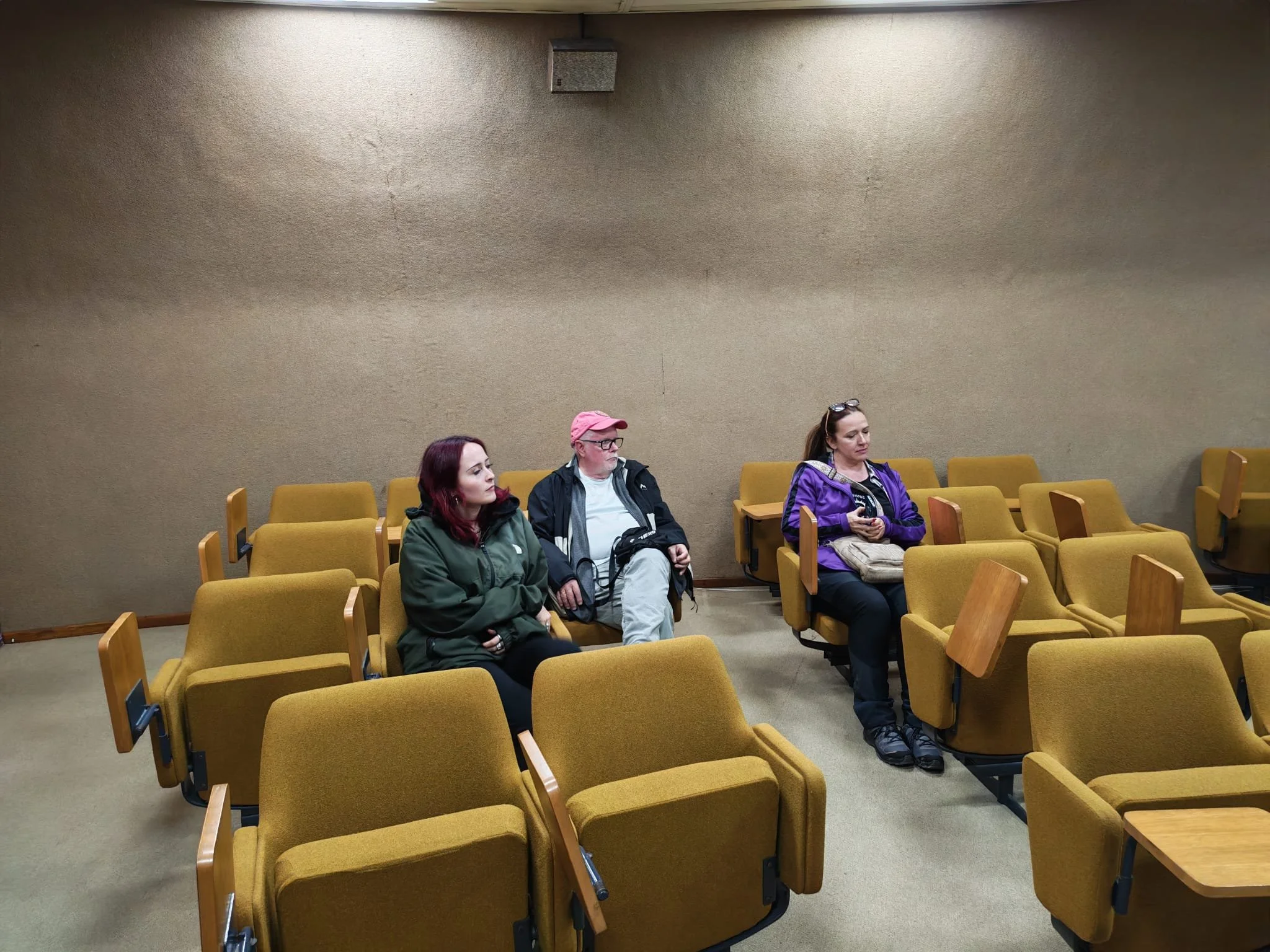
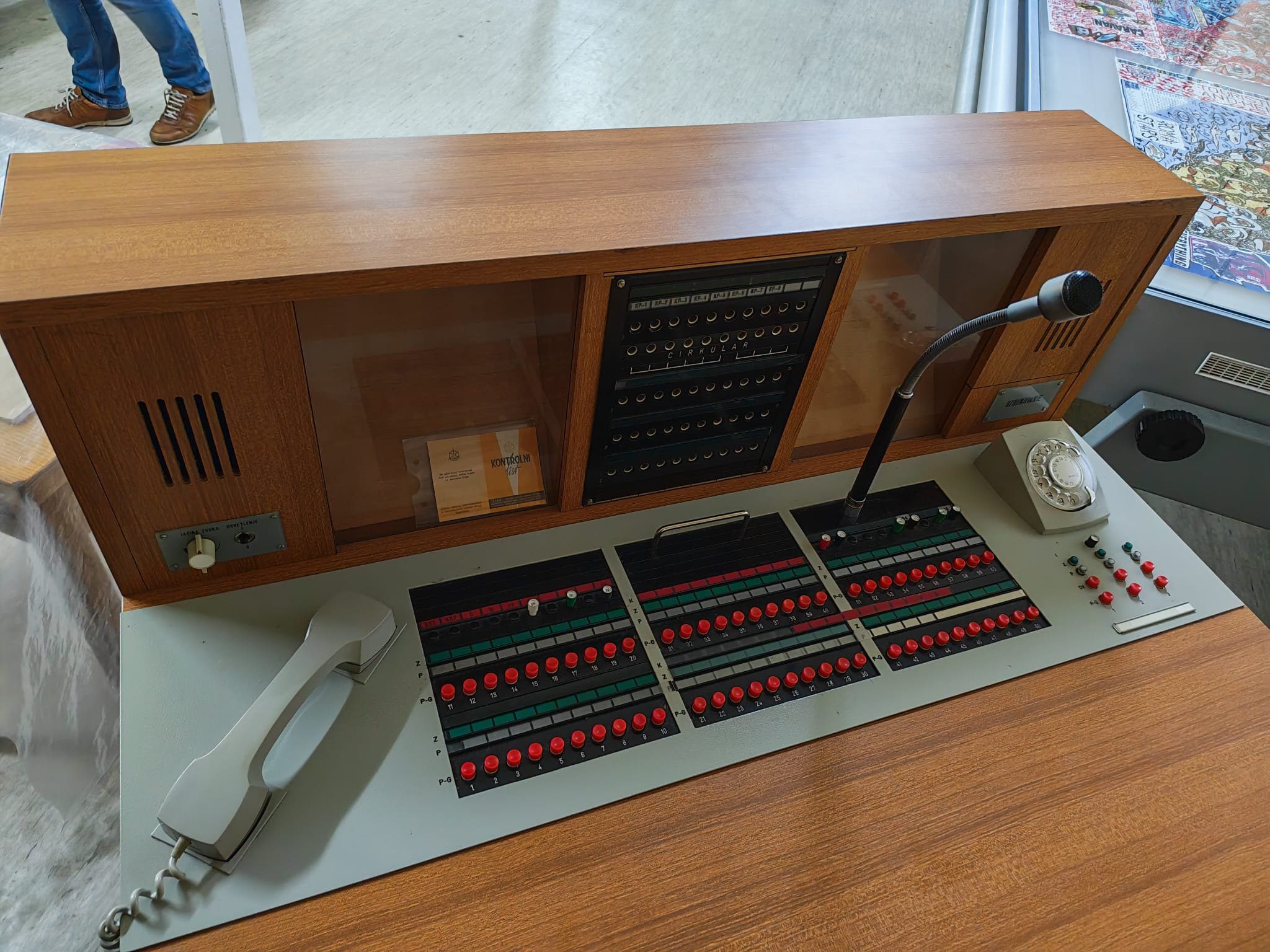
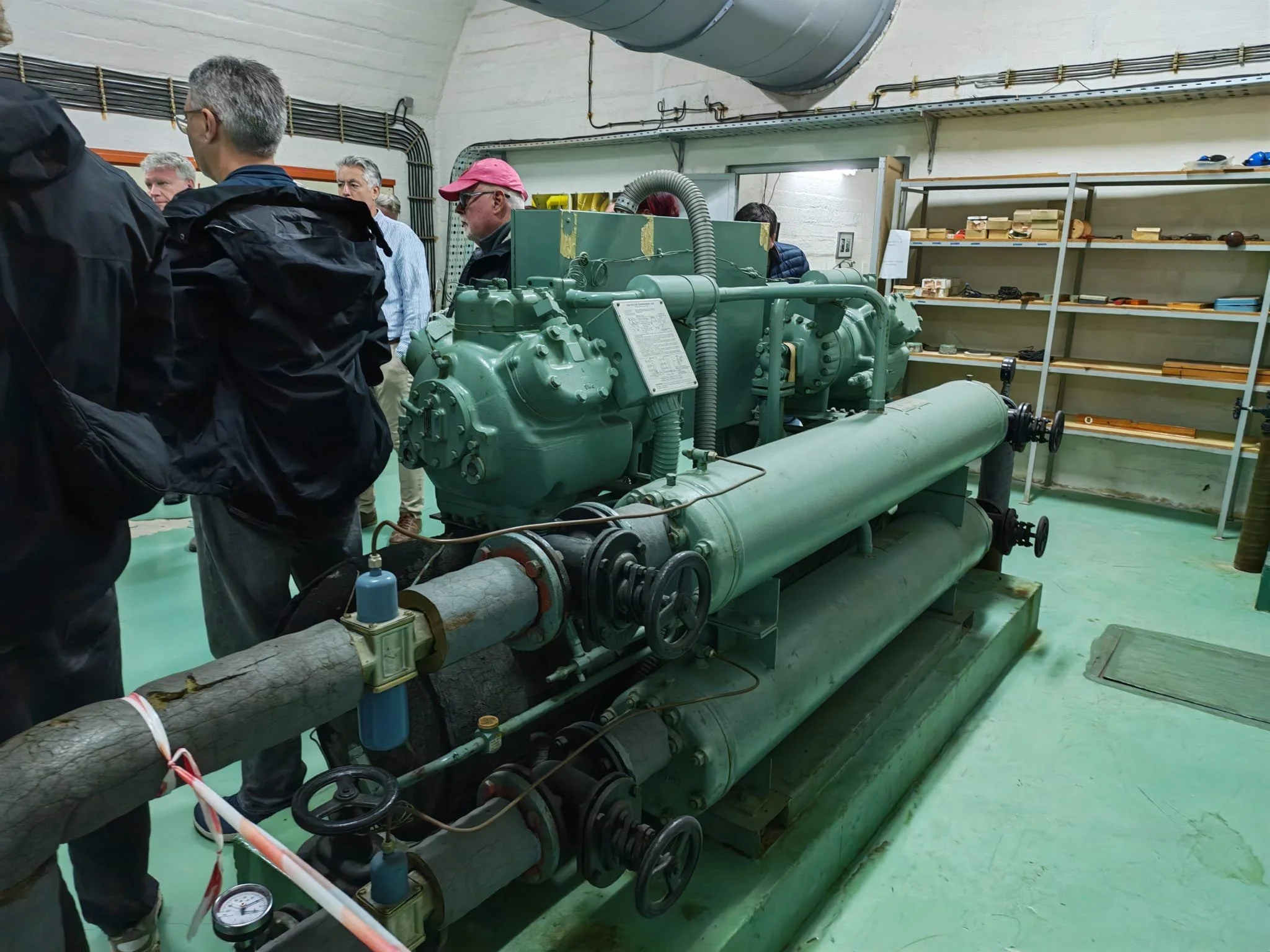
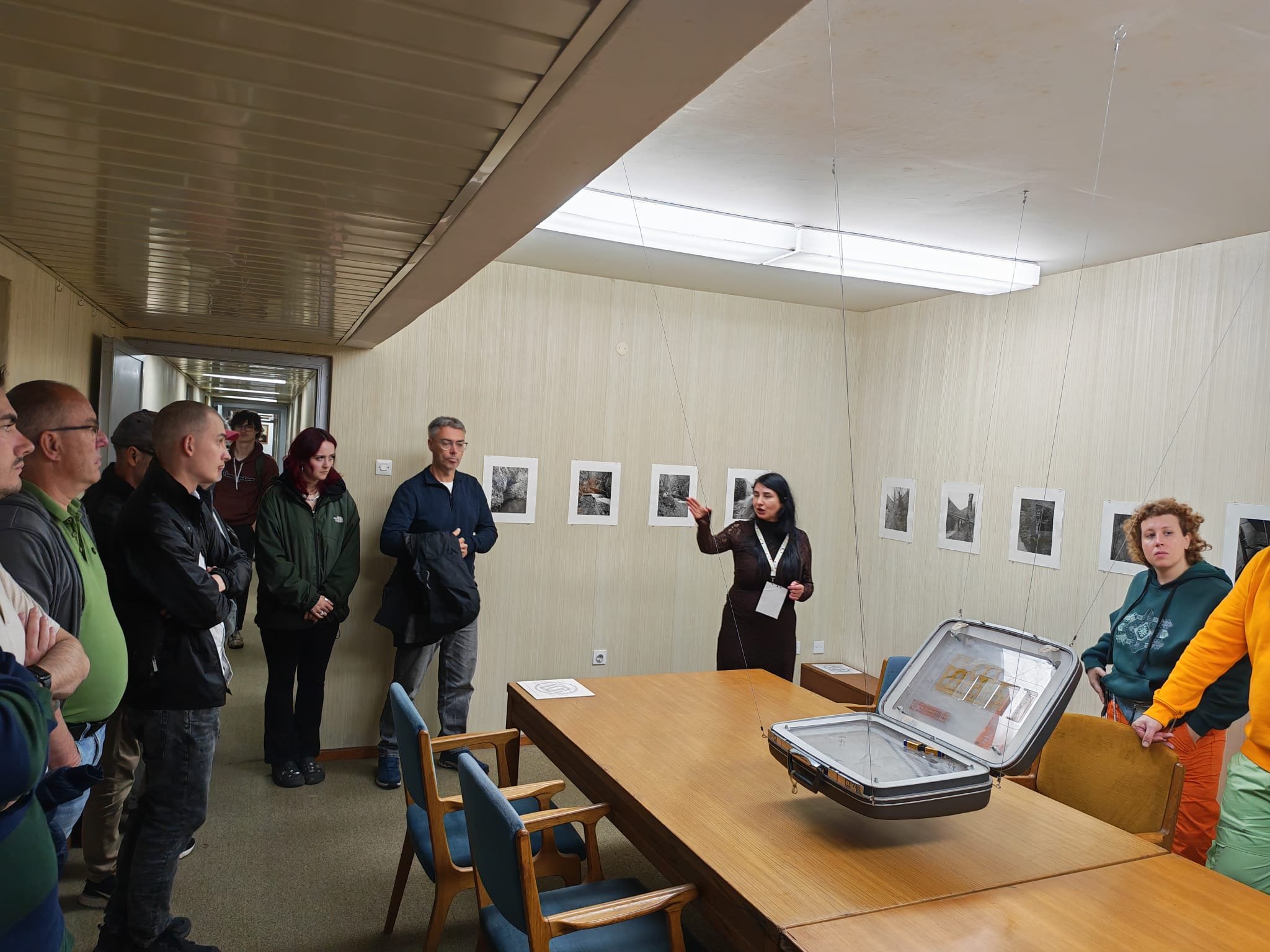
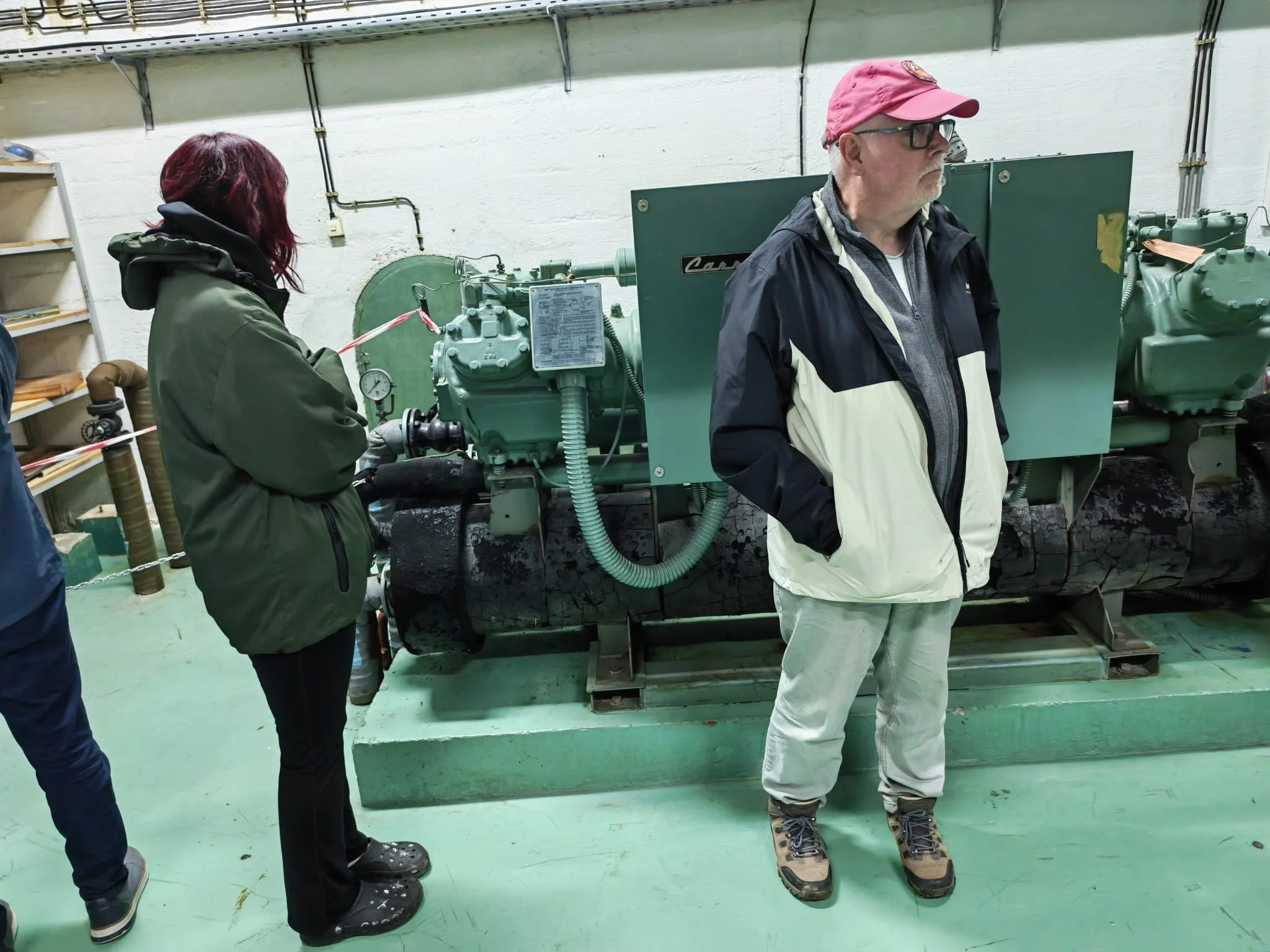
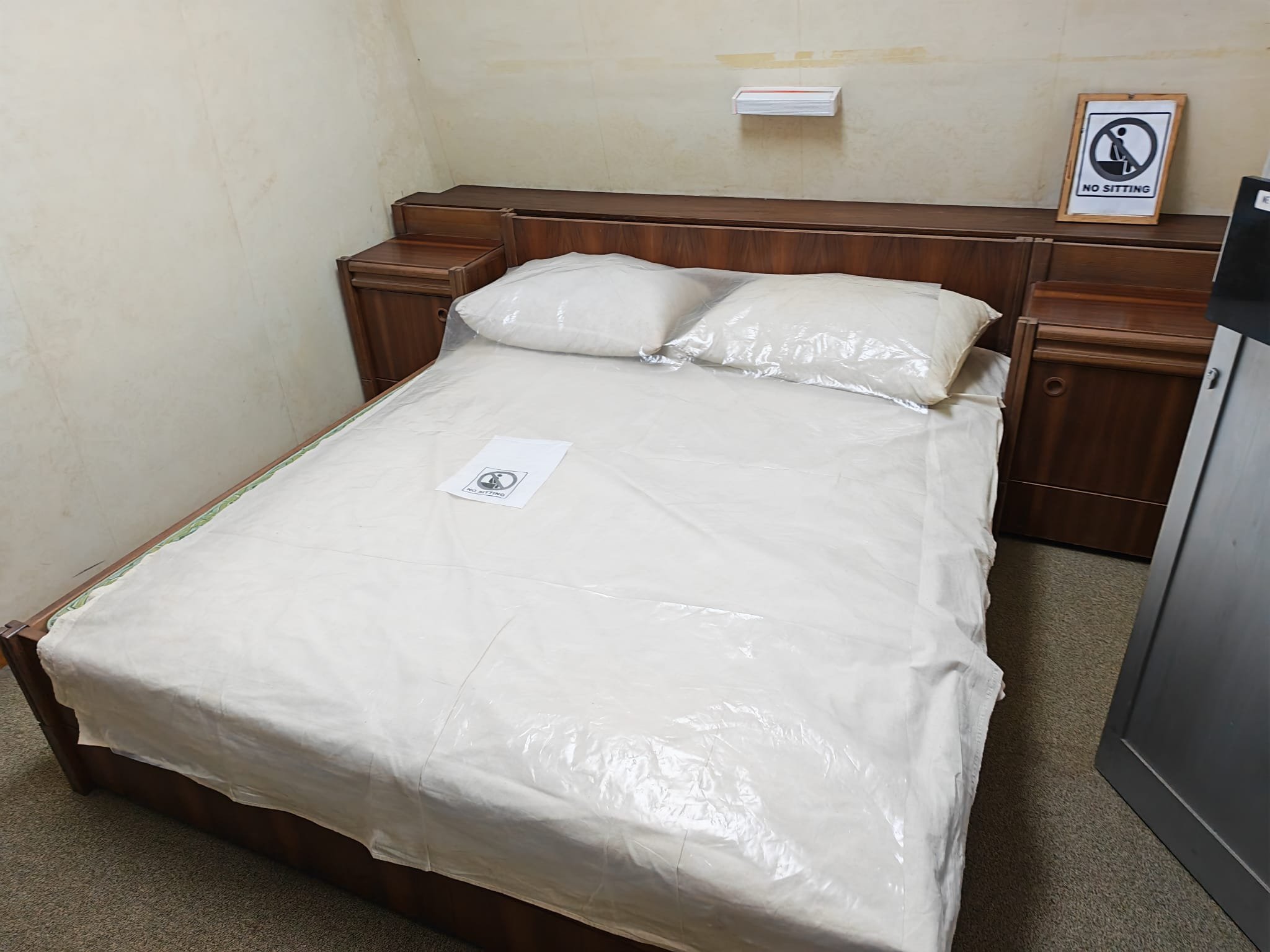
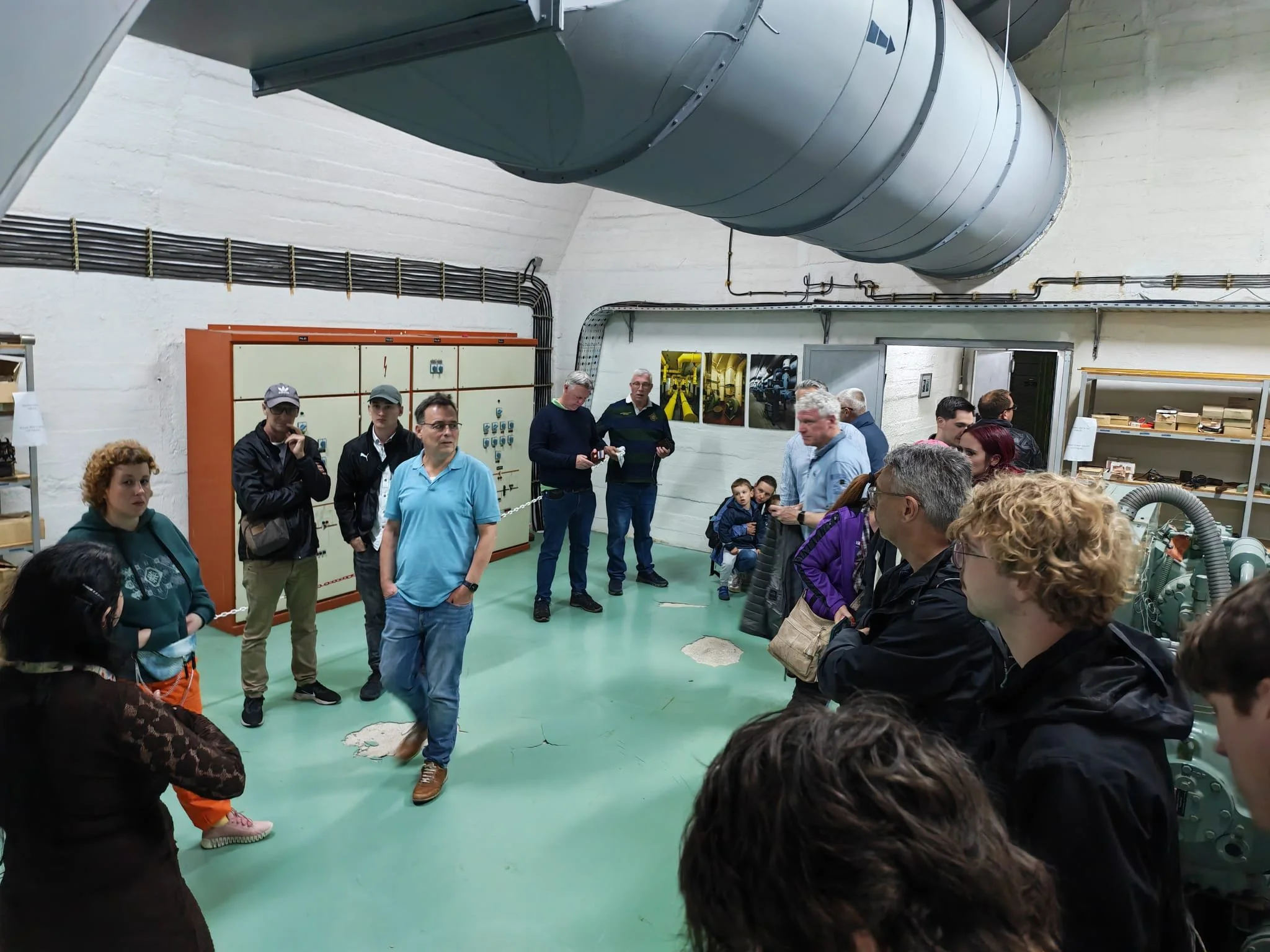
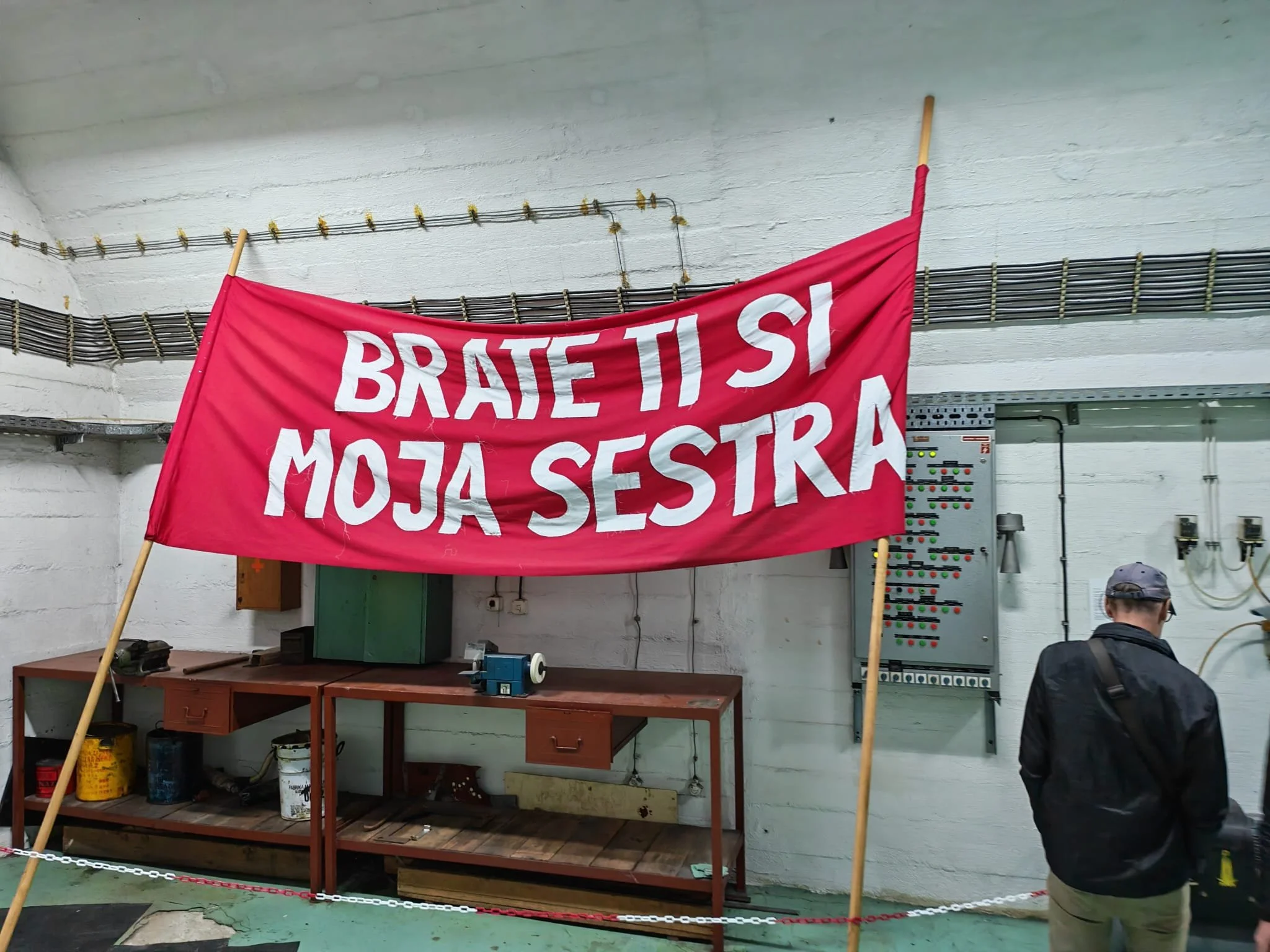
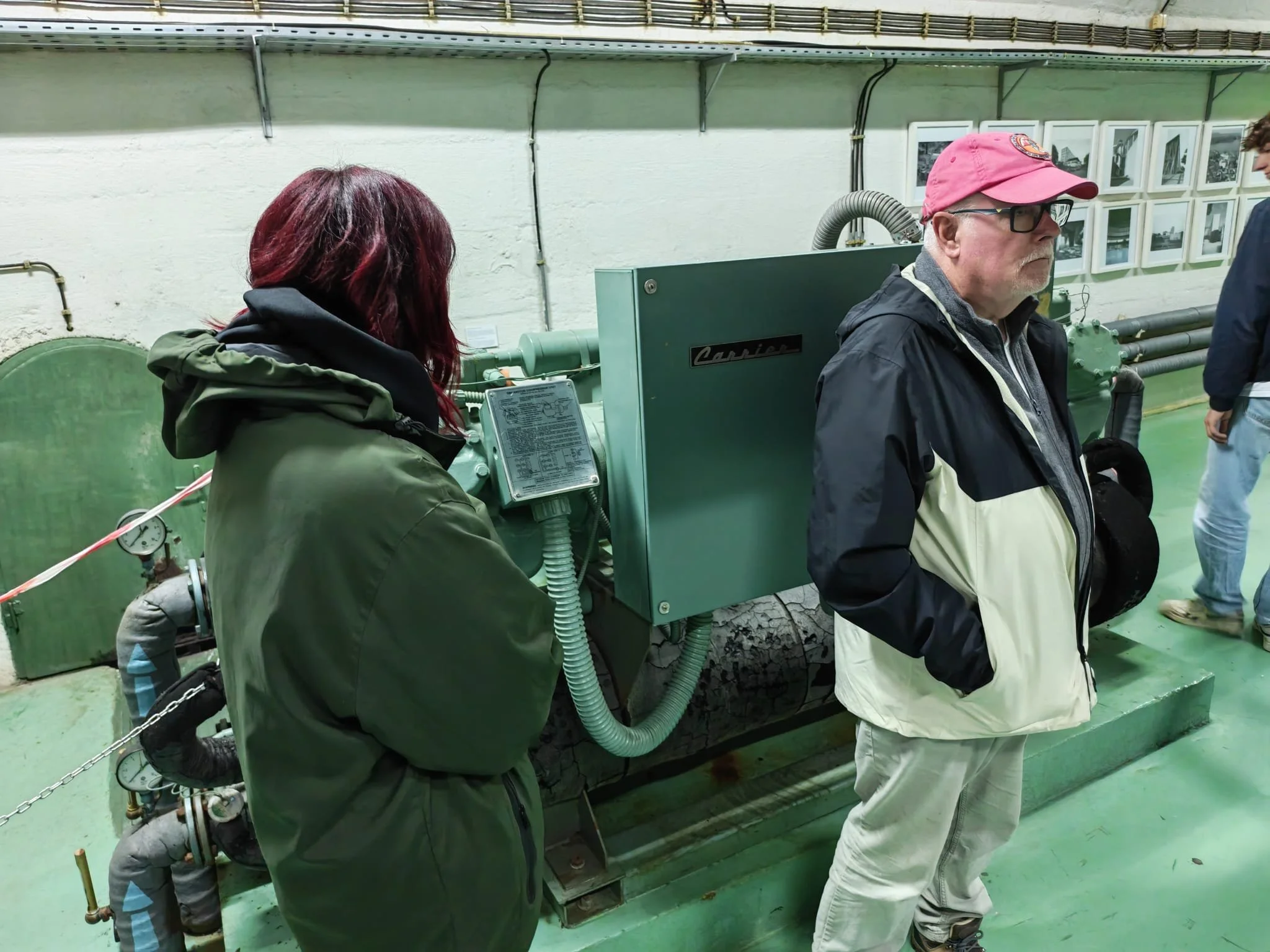
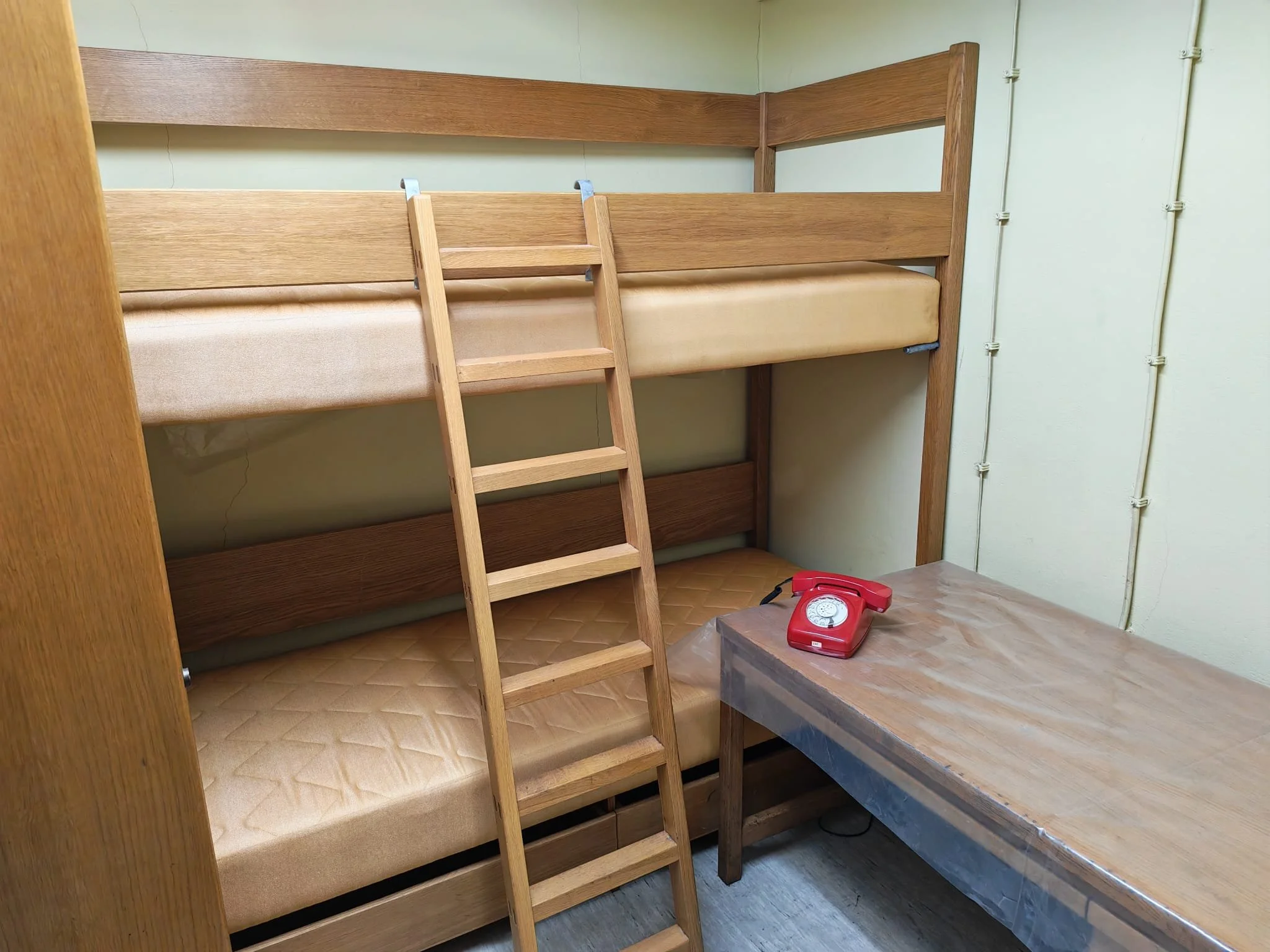
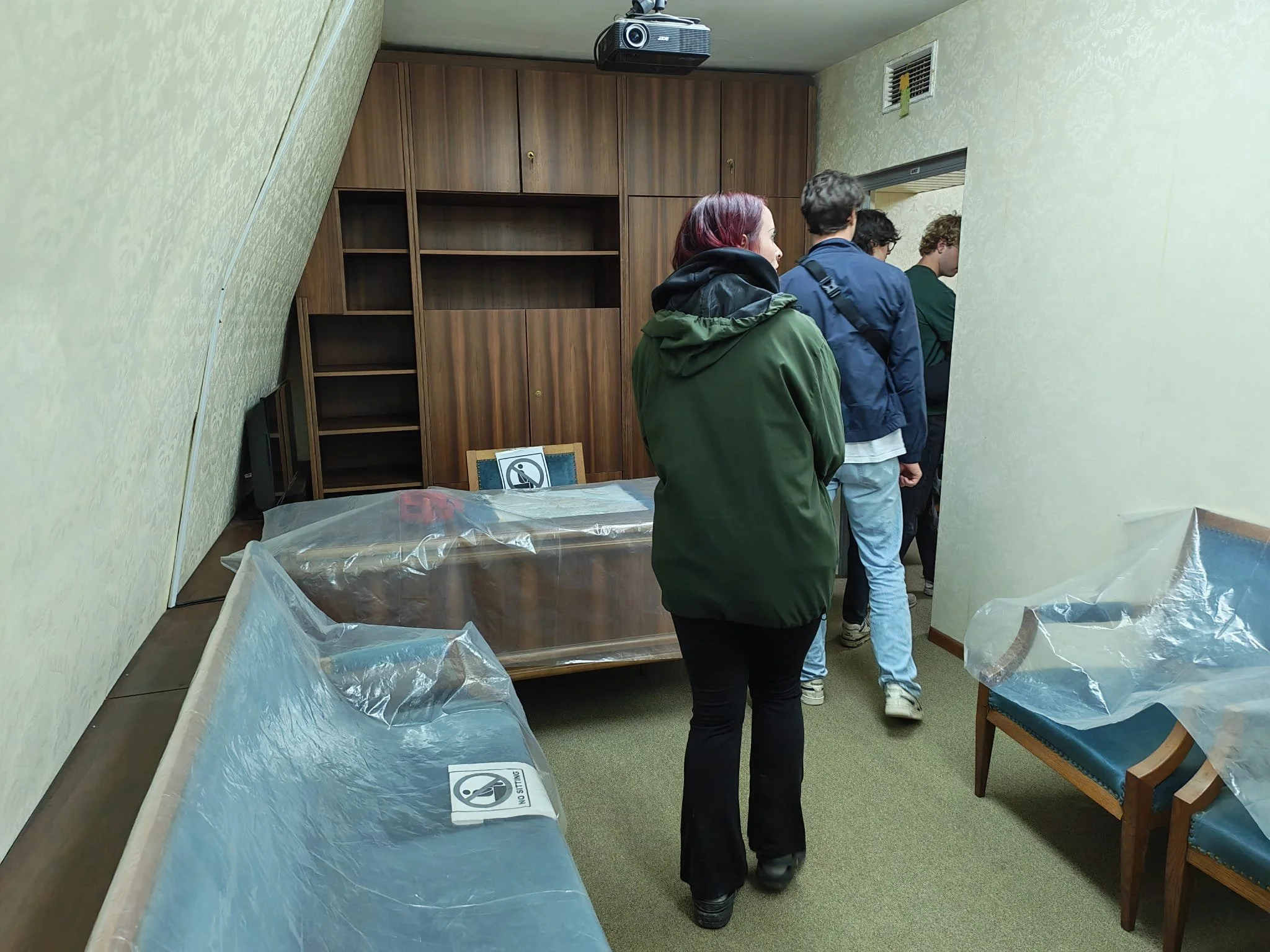
Offices. Dormitories. Conference rooms. Technical spaces. Communications areas. Filtration systems. Water storage. Generators.
It is not hard to imagine the hum of machinery, the clipped voices, the constant checking of systems, and the sense that everything had to be ready, just in case.
The bunker was designed to shelter around 350 people for months. It had its own water supply, air filtration, power systems, kitchens, sleeping areas, and medical facilities.
There were more than 100 rooms.
It was, in effect, a secret city inside a mountain.
When History Becomes Touchable
And yet, for all its scale, some of the most interesting details are the small ones.
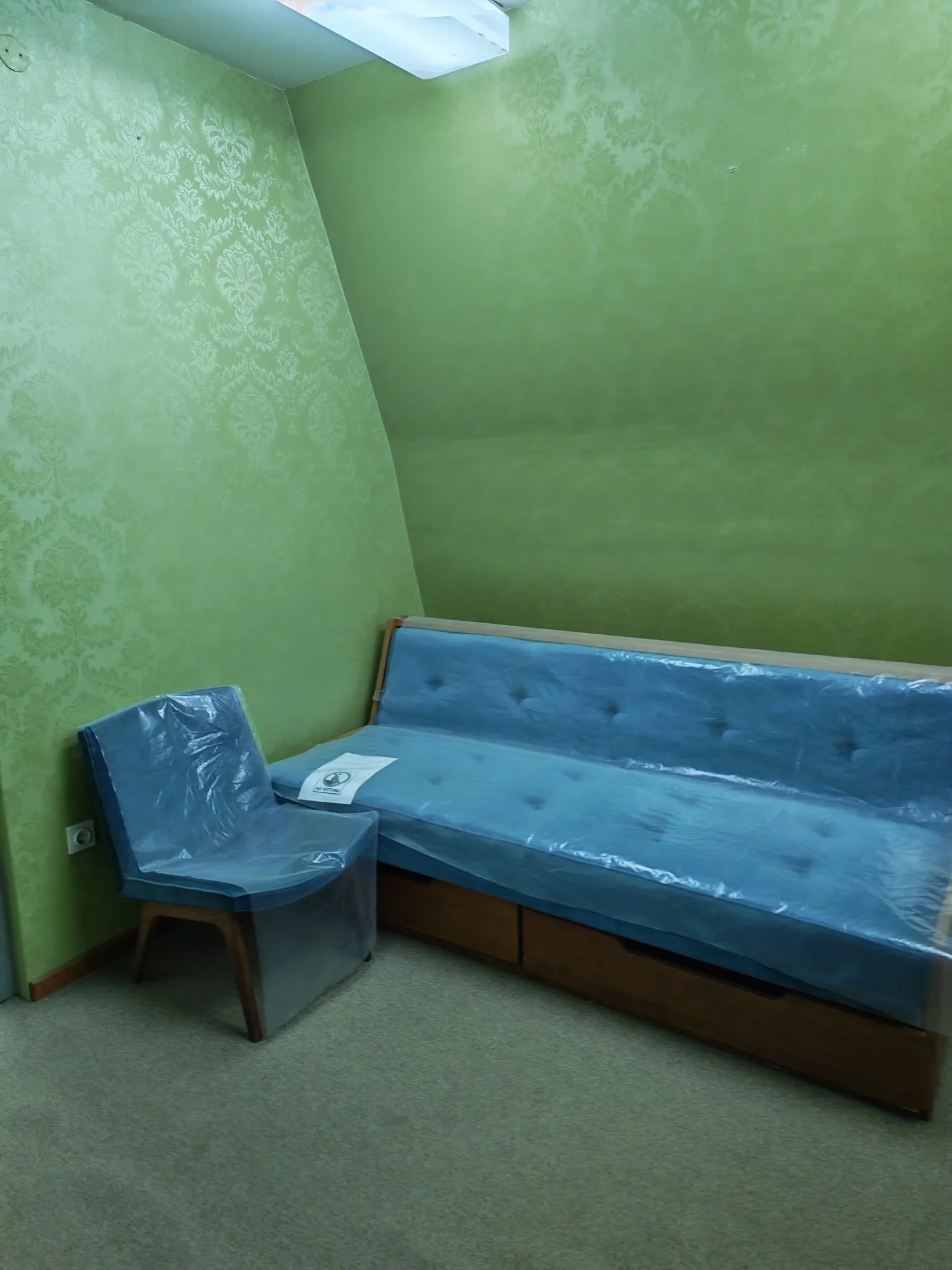
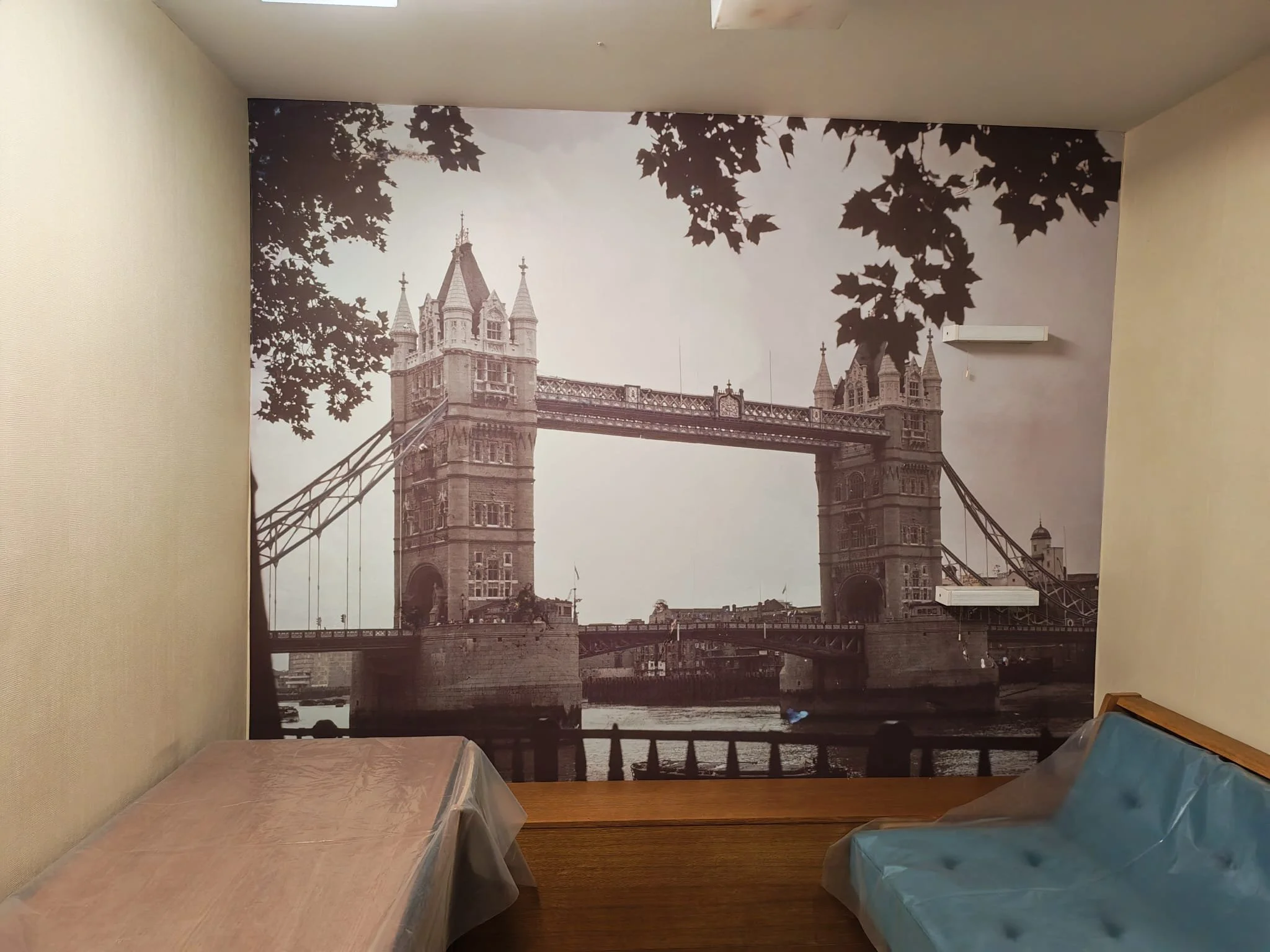
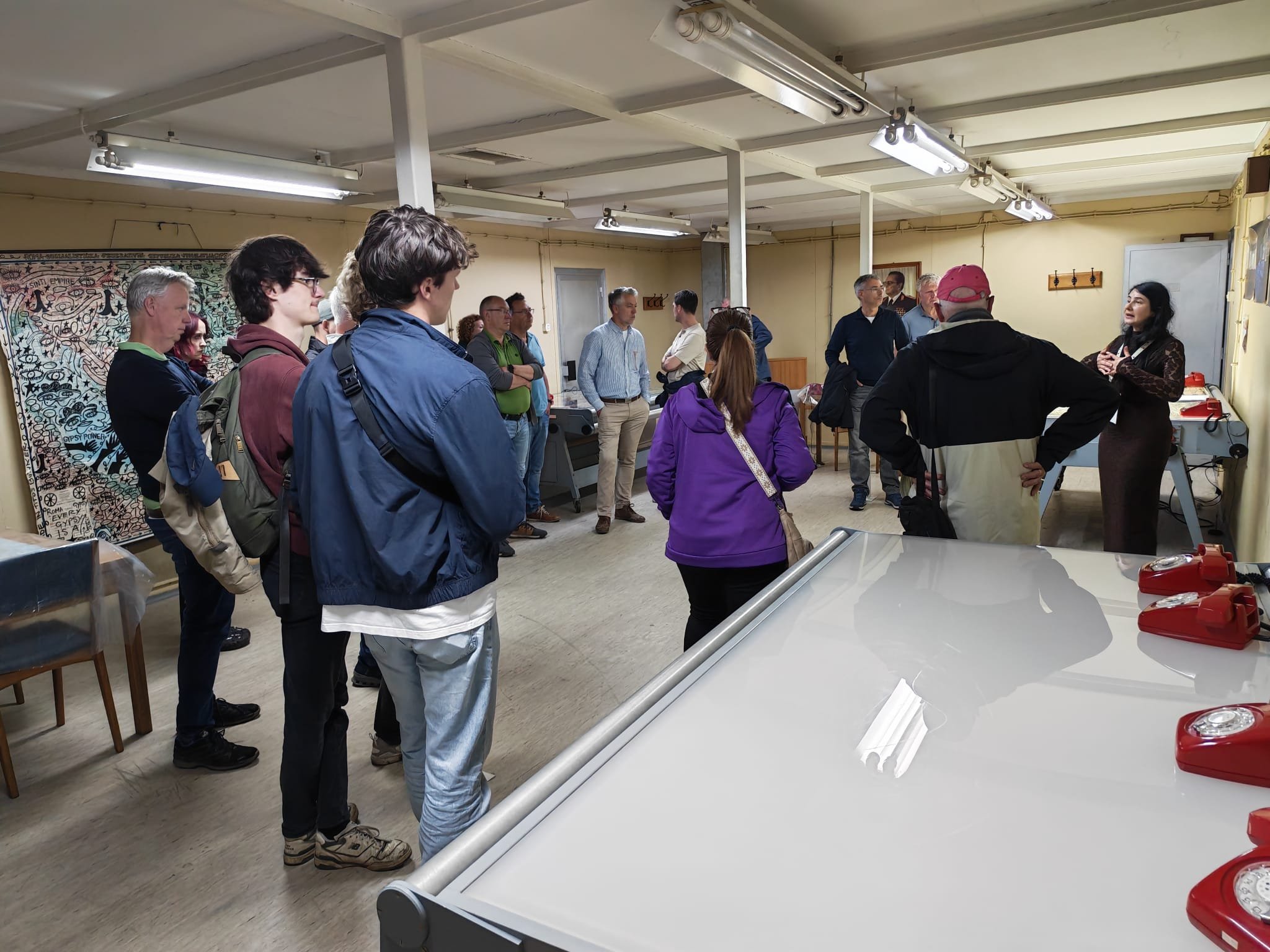
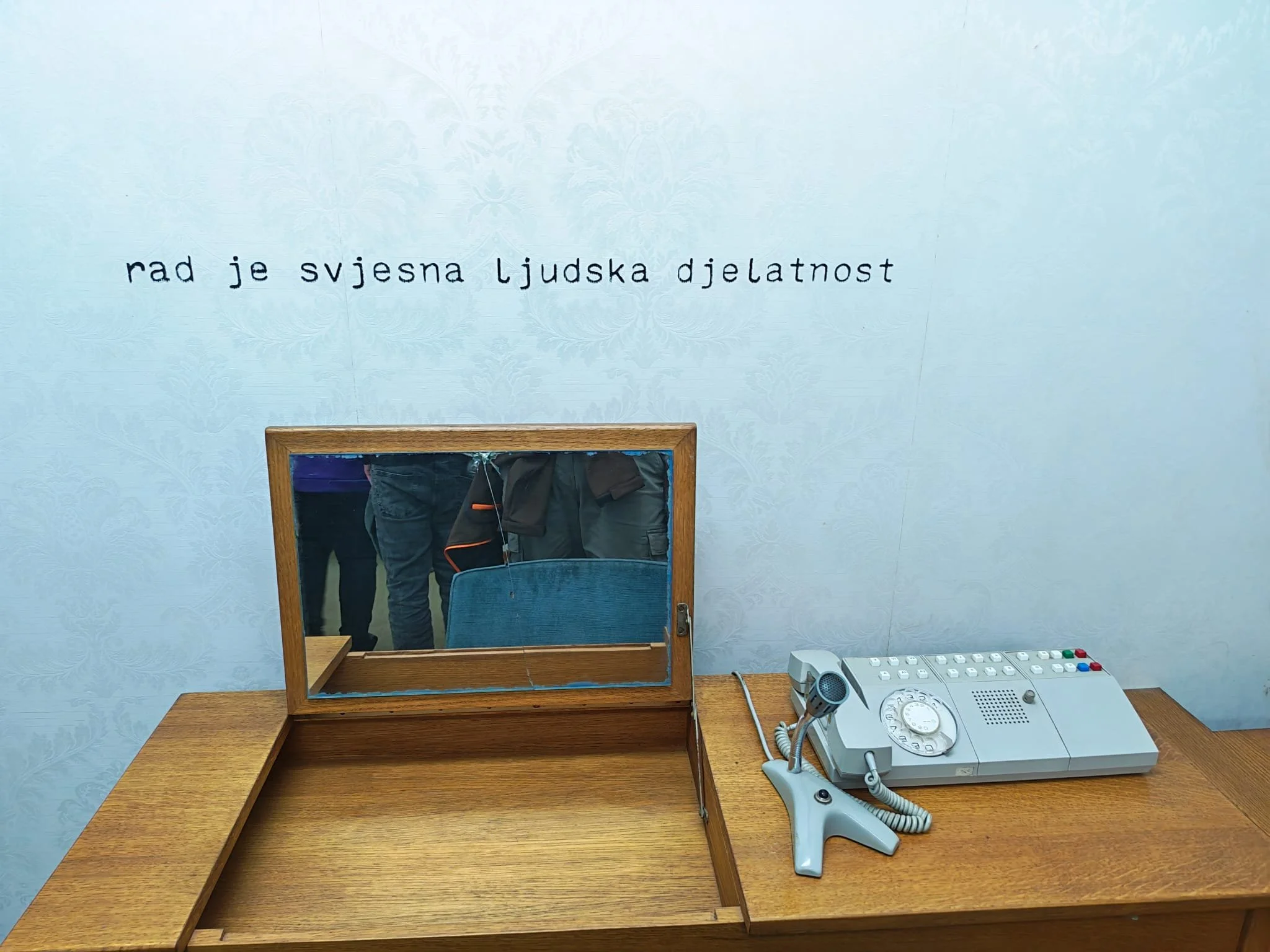
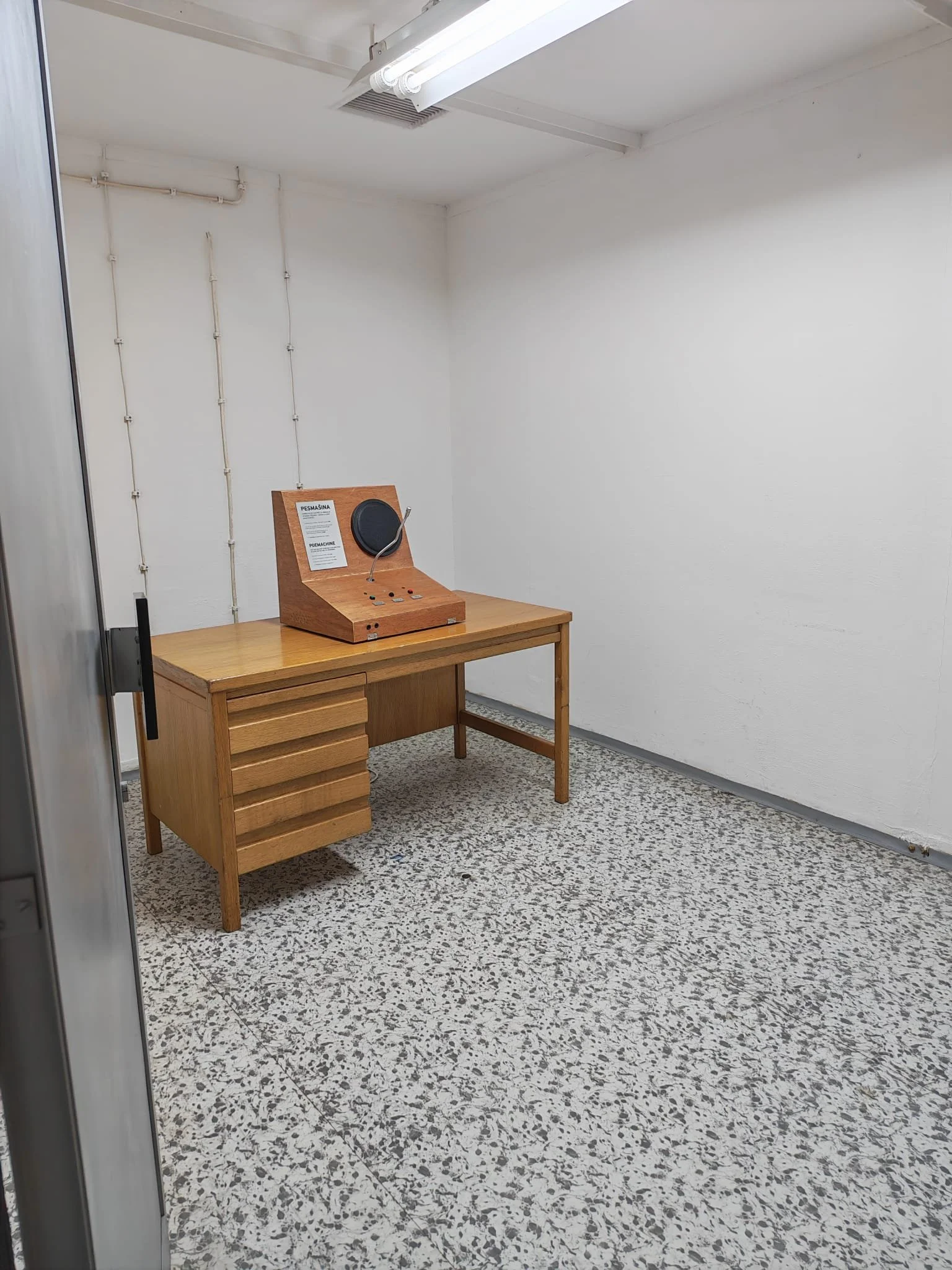
The furniture.
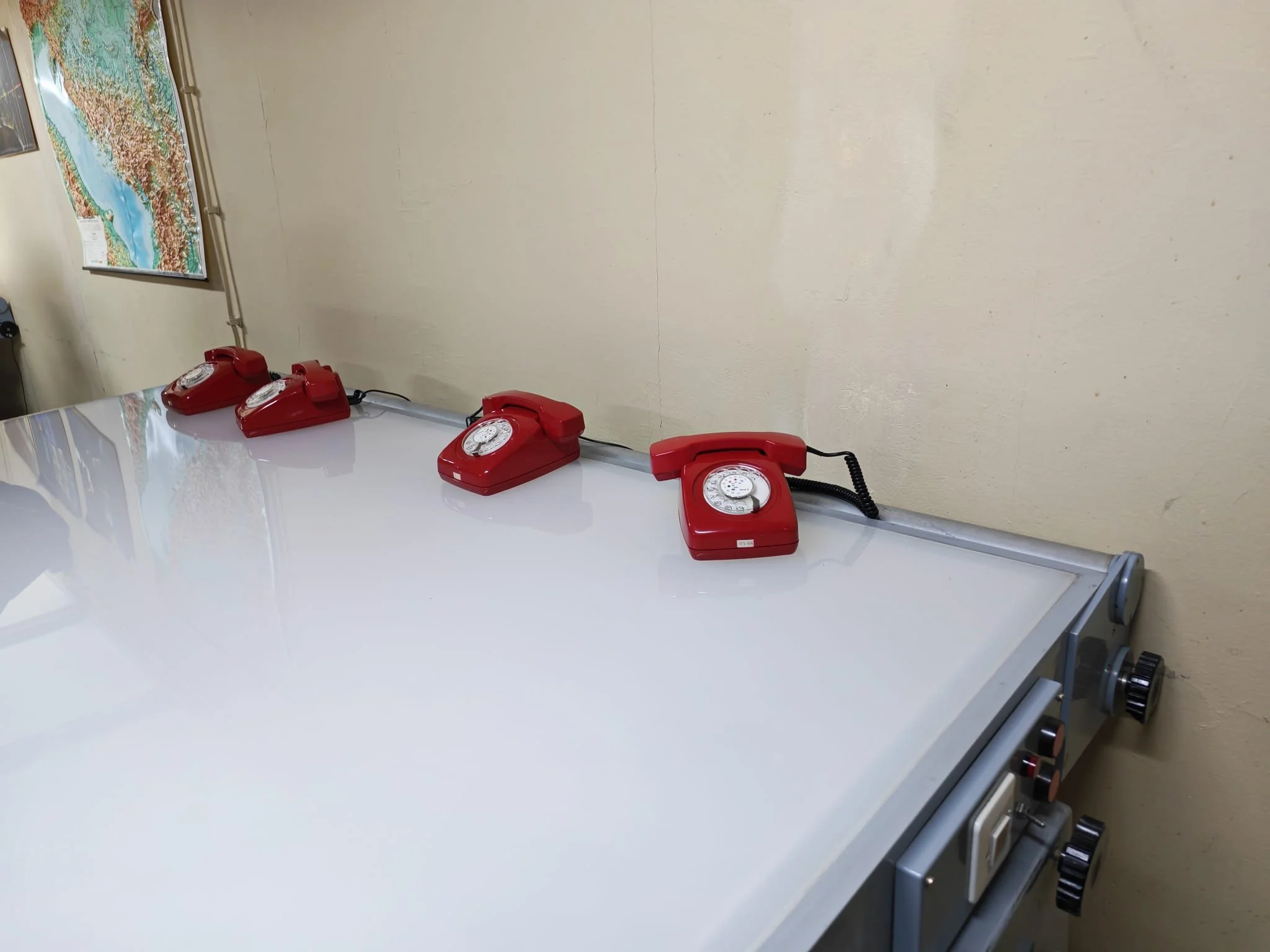
The telephones.
The signs.
The colours of the walls.
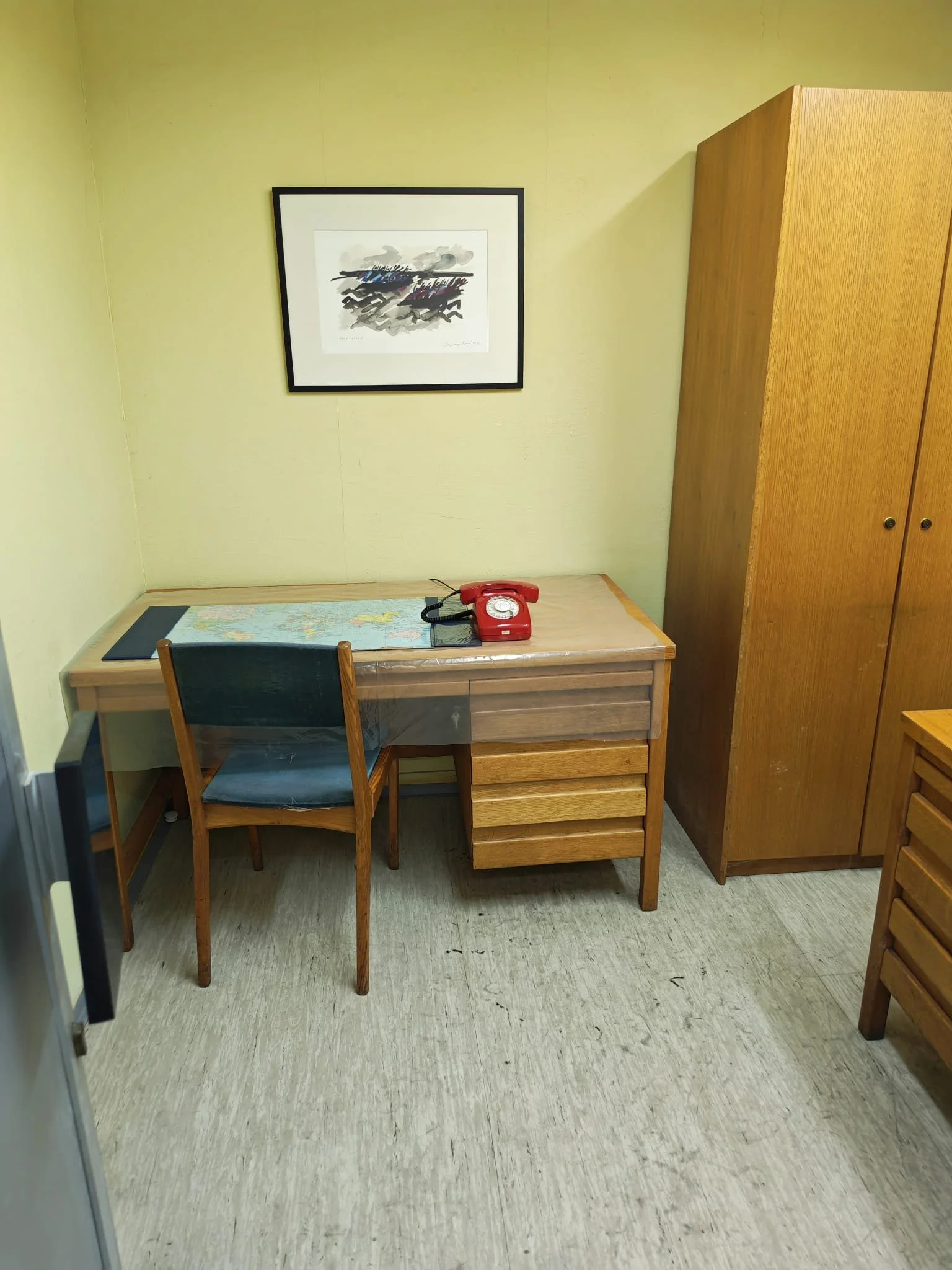
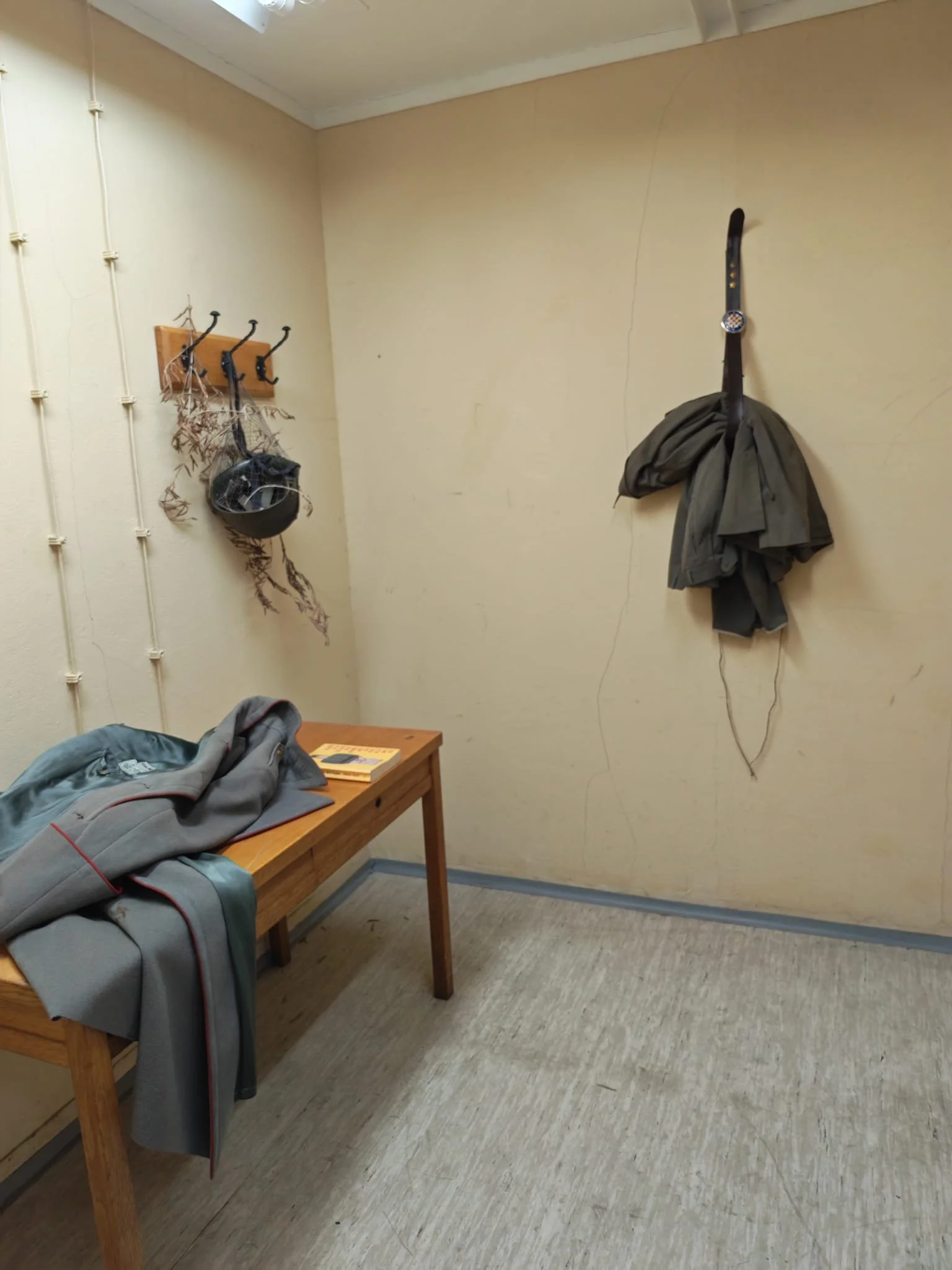
The offices that feel strangely frozen in time.
You look at a desk, a chair, a telephone, and suddenly history stops being an abstract thing.
It becomes physical.
Touchable.
Almost domestic.
That is what I often feel in places like this in Bosnia and Herzegovina.
History here is rarely neat.
It doesn’t sit politely behind glass.
It presses in from all sides.
Tito, Yugoslavia, and the Cold War
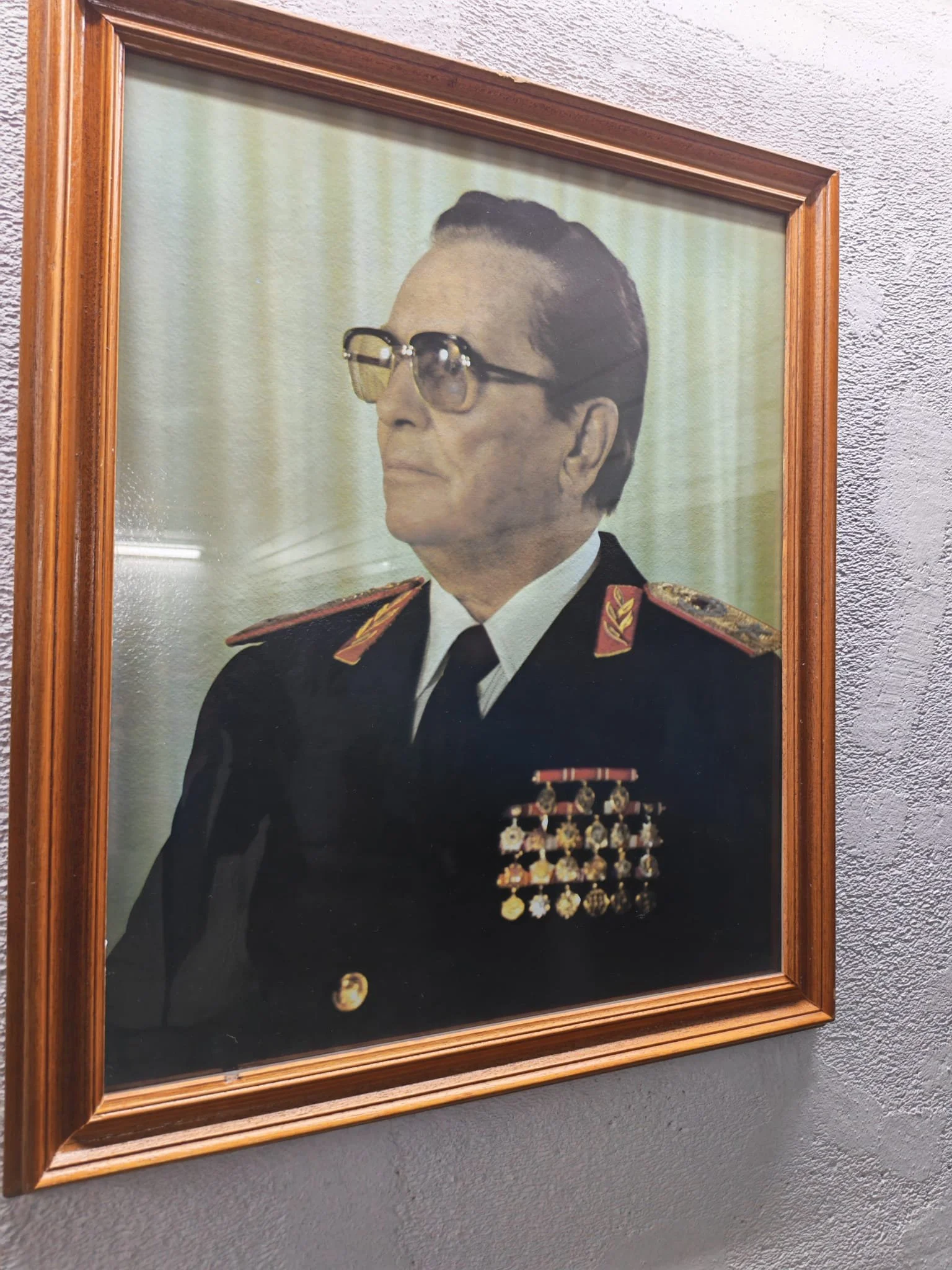
Tito himself remains one of the most complicated figures in the history of this region.
To some, he represented stability, independence, and a Yugoslavia that refused to simply fall into line with either East or West. He was one of the major figures of the Non-Aligned Movement, and for many people of a certain generation, his time still carries memories of security, travel, work, and a shared identity.
To others, of course, he was the head of a one-party socialist state, with all the control, silence, and fear that could come with that.
And that complexity is everywhere in the bunker.
On one level, it is an astonishing feat of engineering.
On another, it is a monument to paranoia.
On another still, it is a reminder of just how seriously the Cold War was taken in this part of the world.
Yugoslavia was not part of the Soviet bloc in the simple way many people outside the region sometimes imagine.
After Tito’s split with Stalin in 1948, Yugoslavia followed its own path. That made the country unusual: socialist, but independent of Moscow; connected to the West in some ways, but not Western; proudly non-aligned, but still deeply aware of the dangers surrounding it.
So this bunker was not just about military planning.
It was about Yugoslavia’s position in the world.
A country trying to hold its own space between superpowers.
A country preparing, quietly and secretly, for the worst.
From Nuclear Shelter to Art Space
One of the strange things about walking through Tito’s bunker today is that it is no longer only a military site.
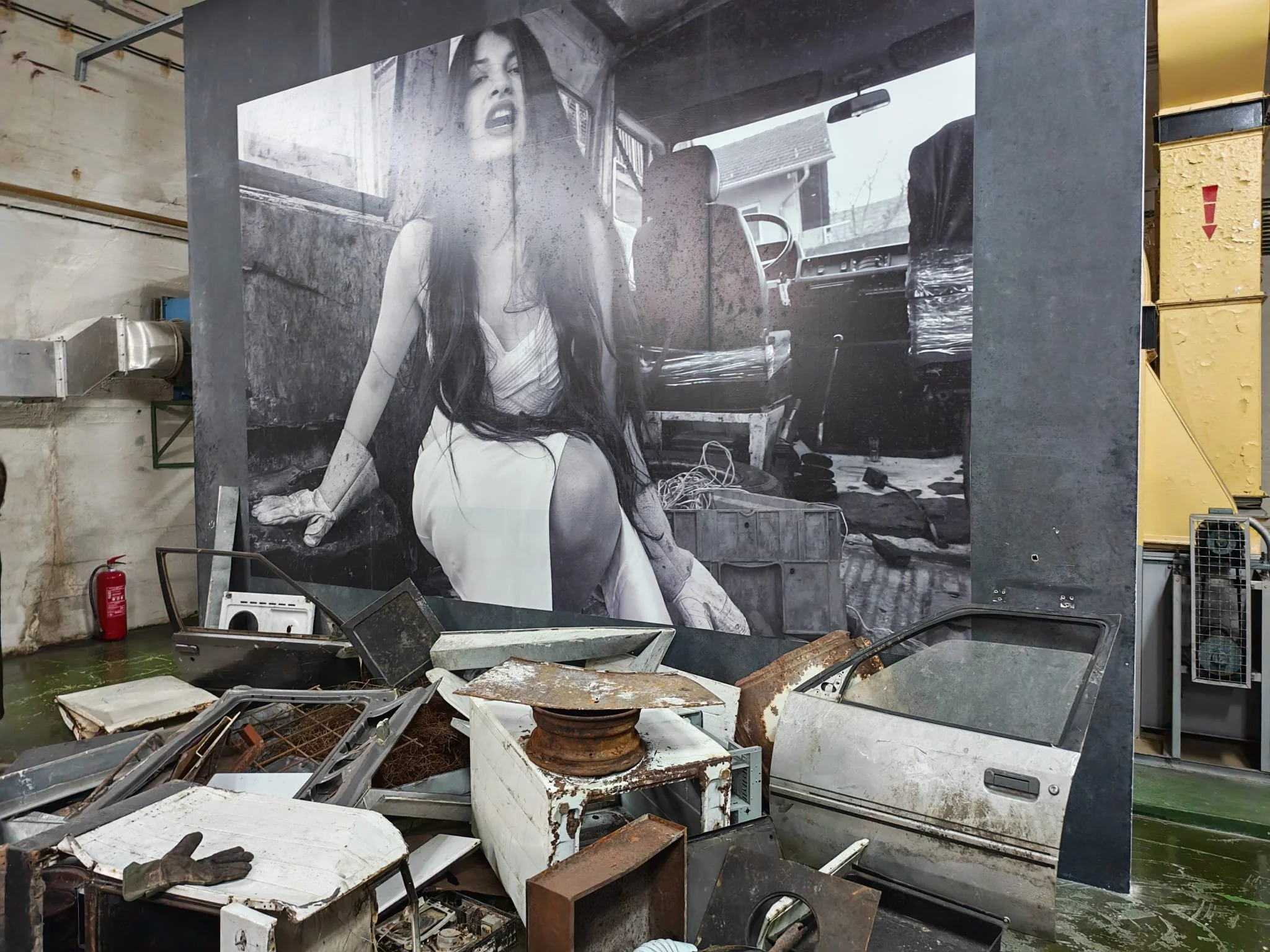
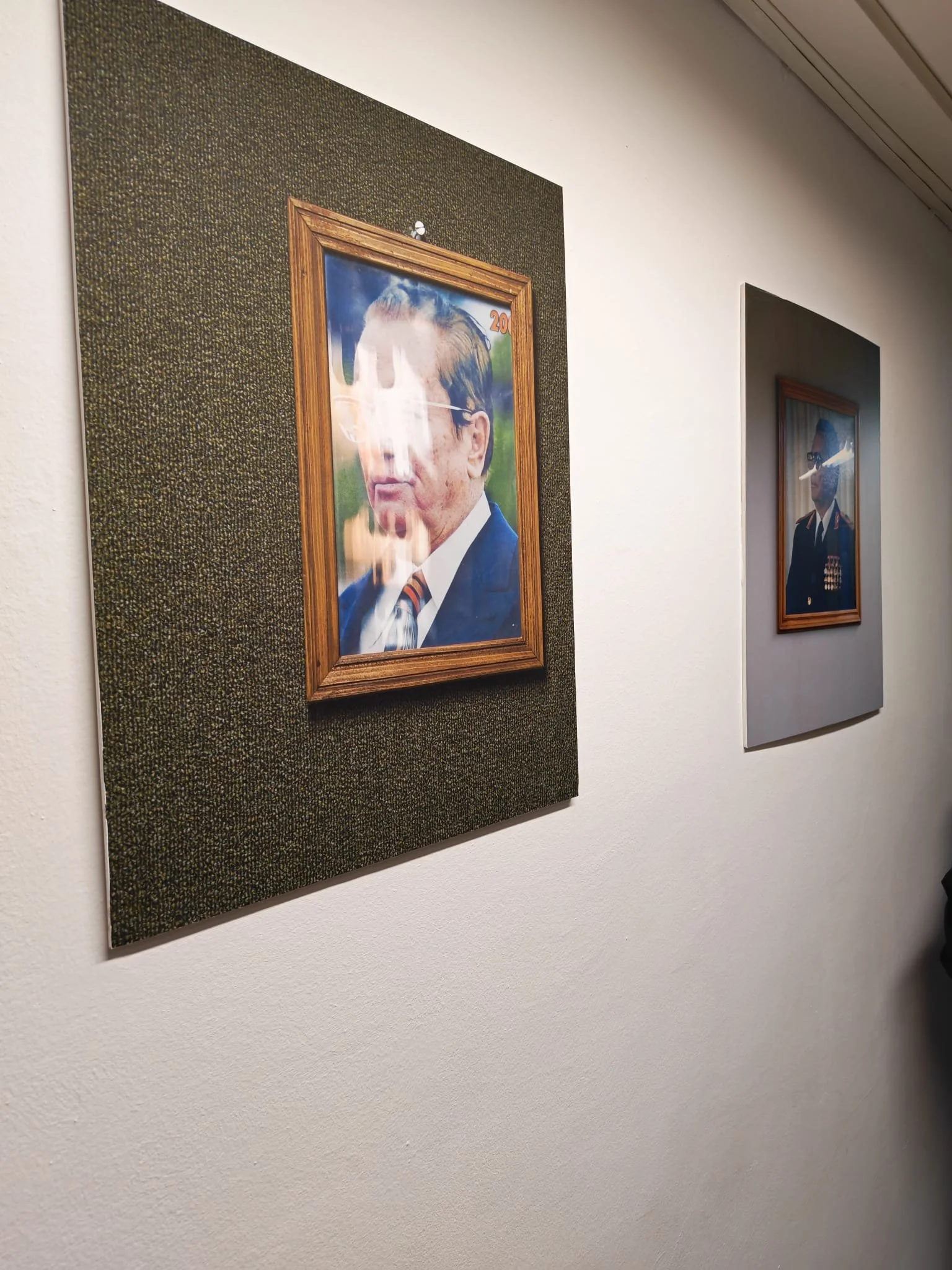
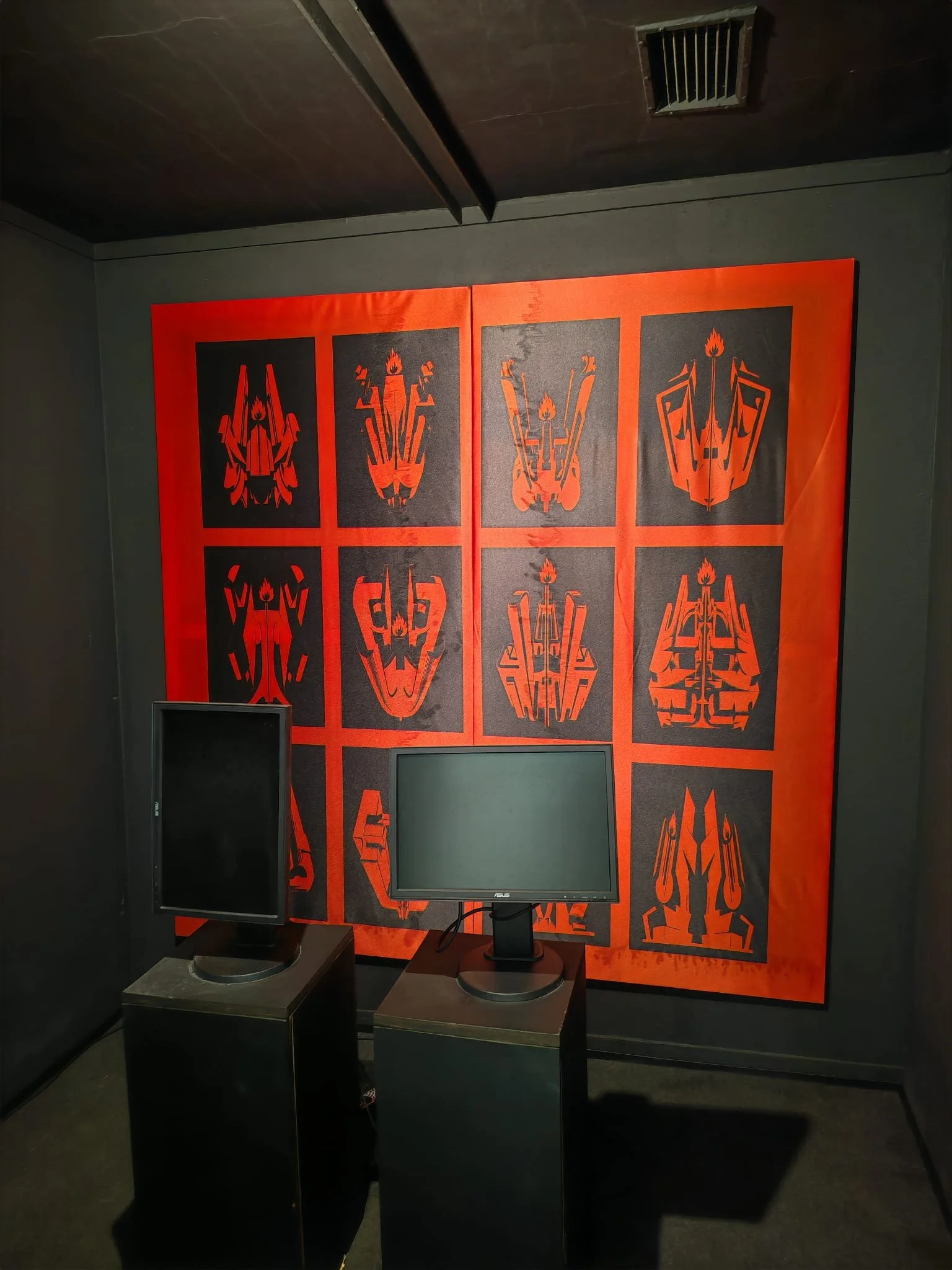
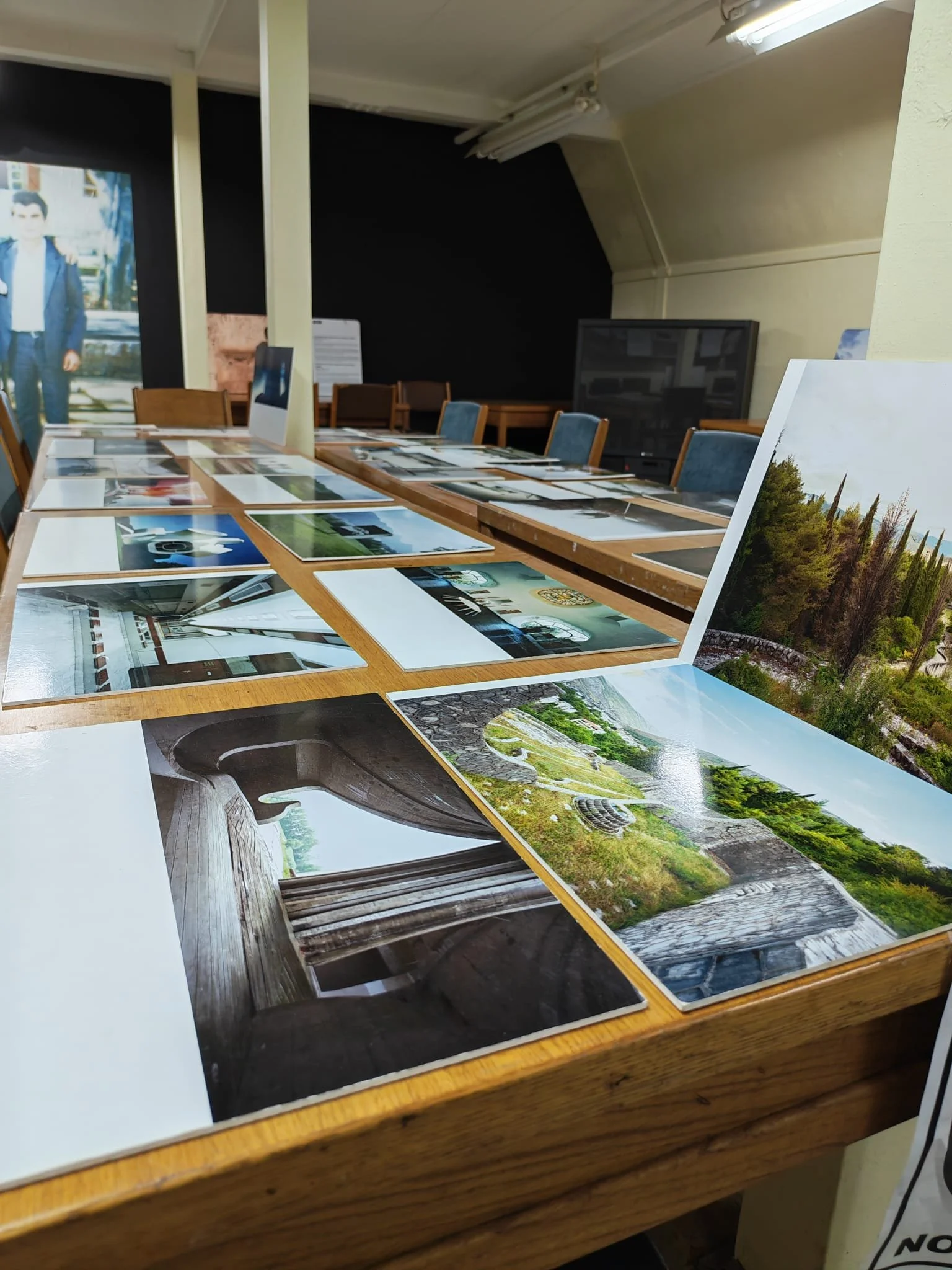
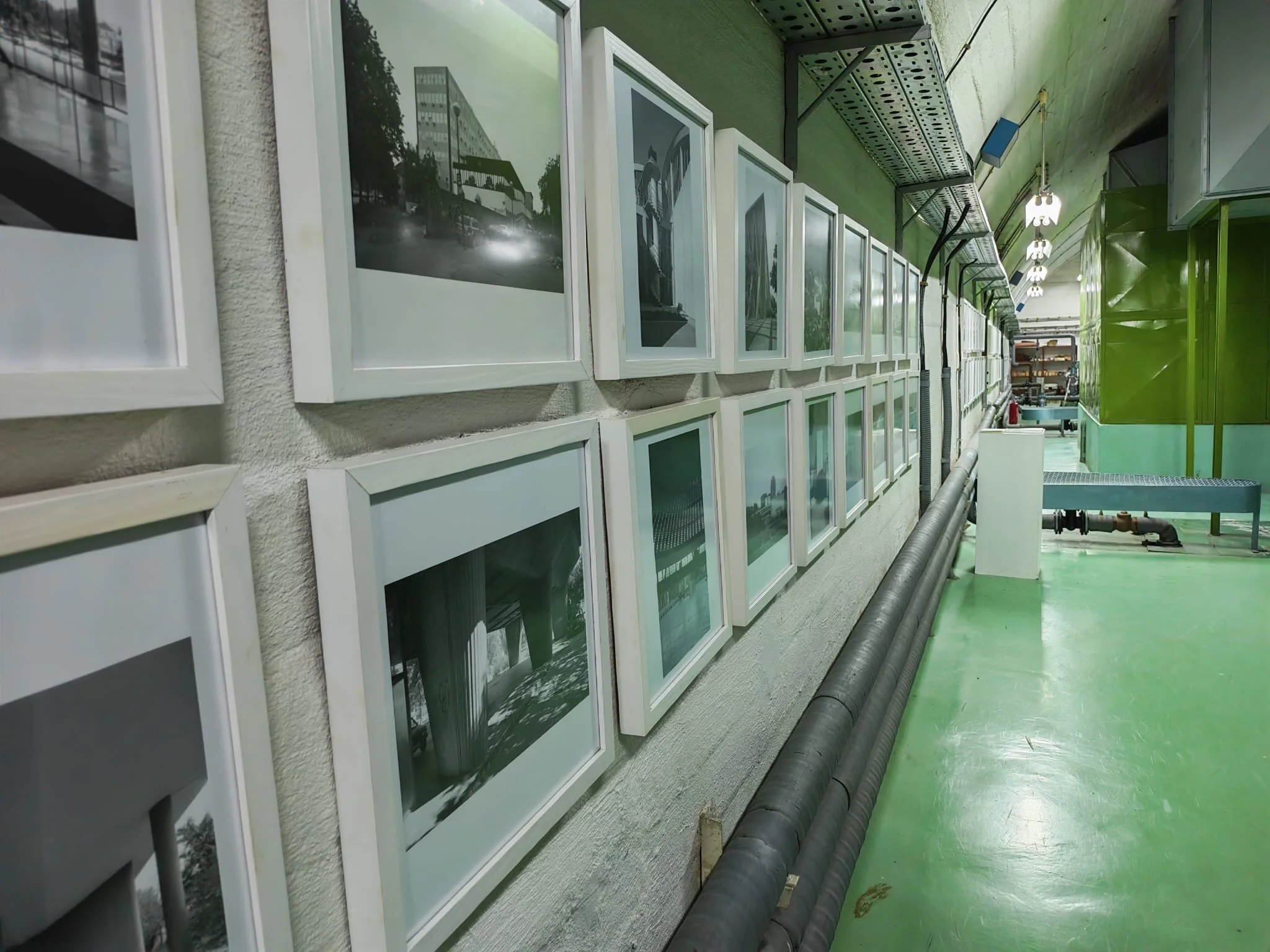
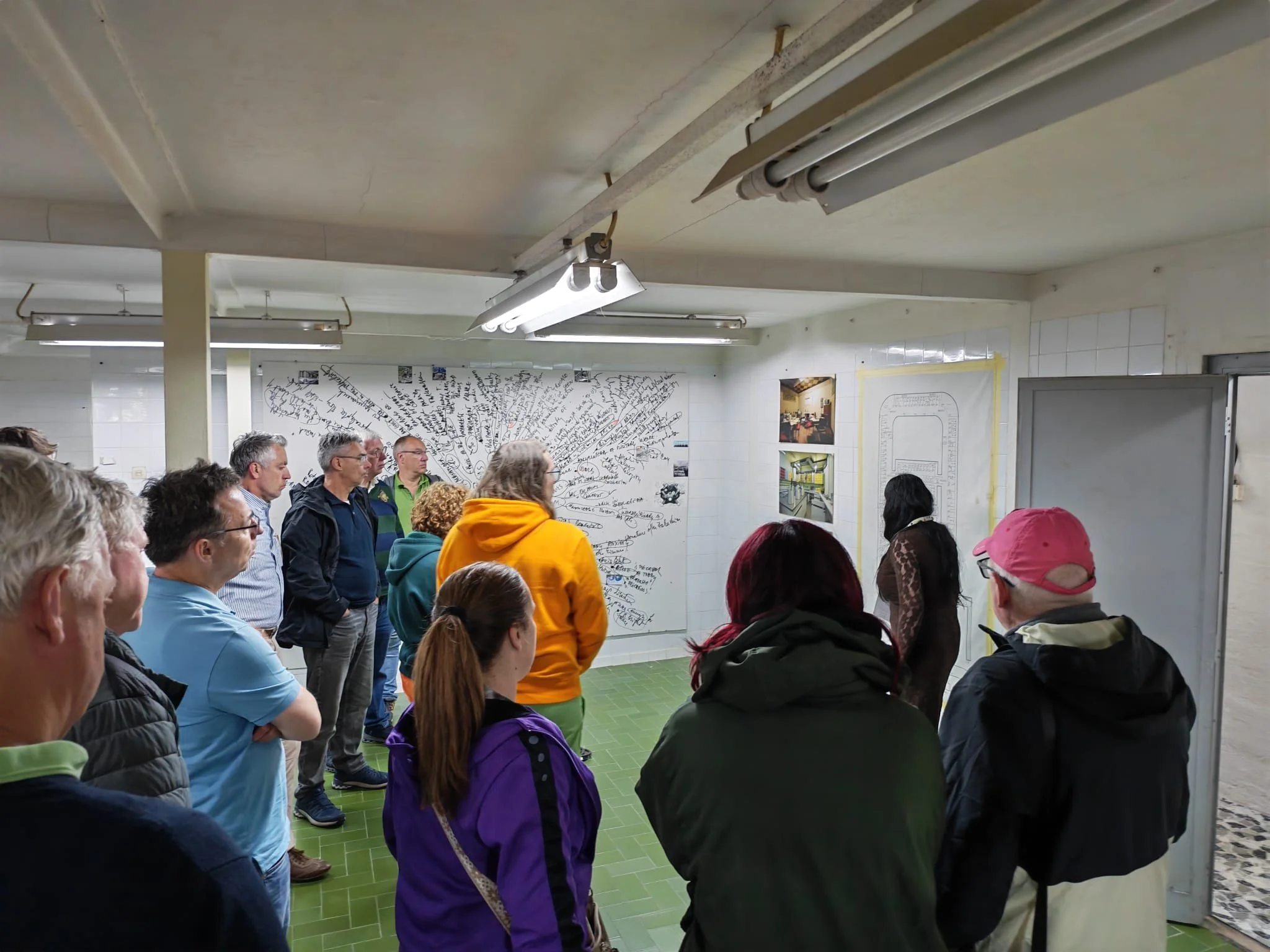
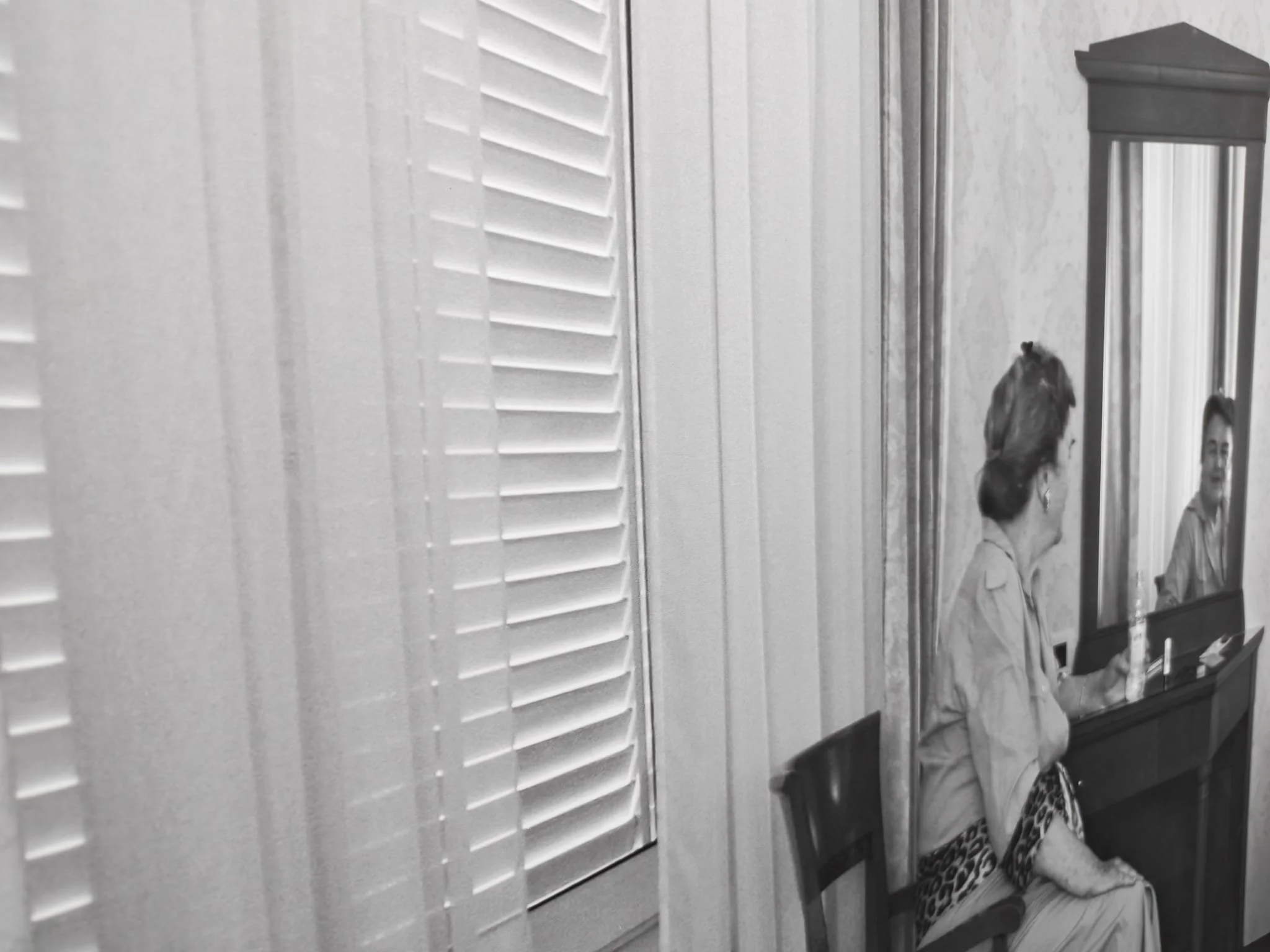
It has also become a space for contemporary art.
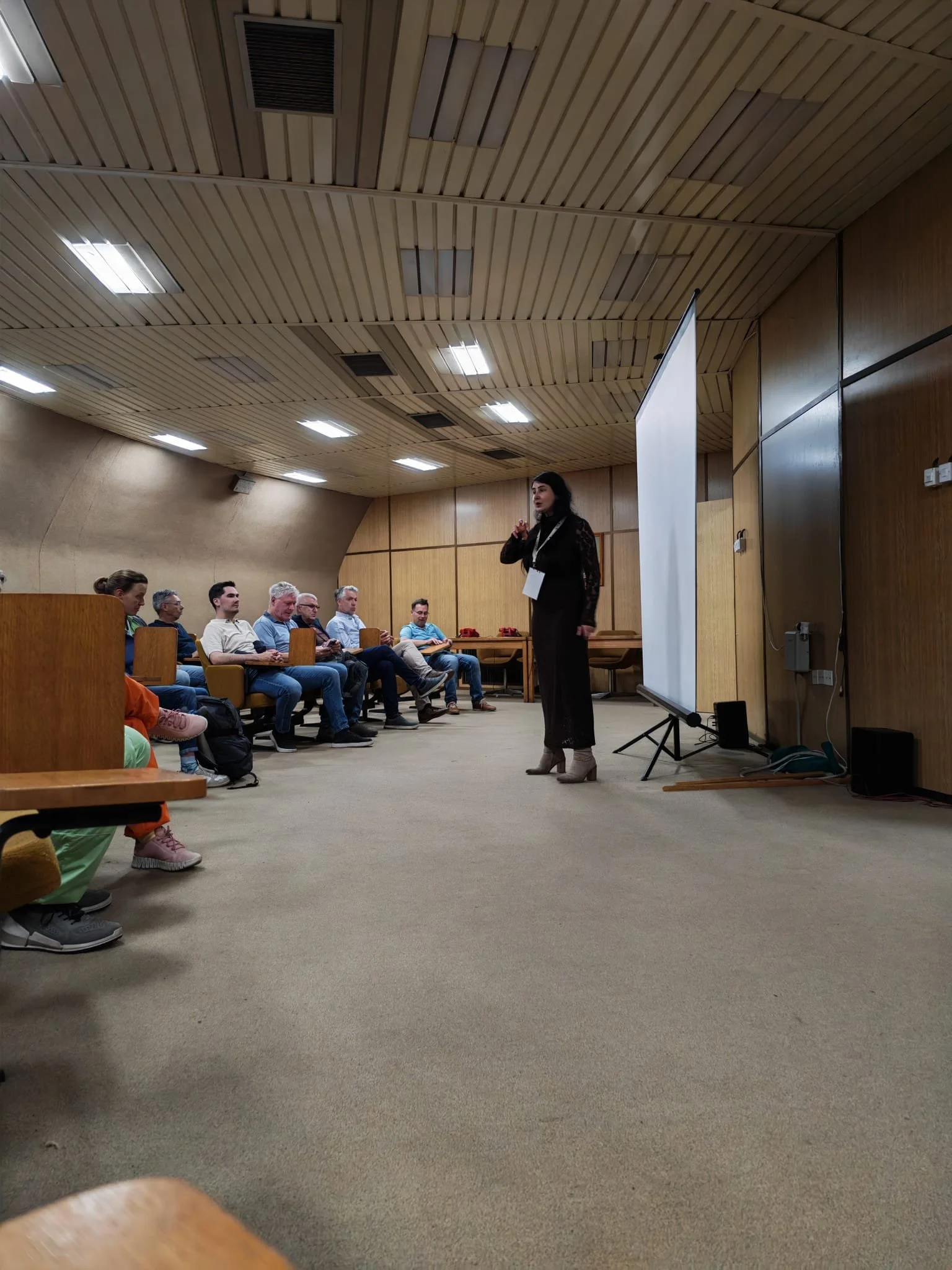
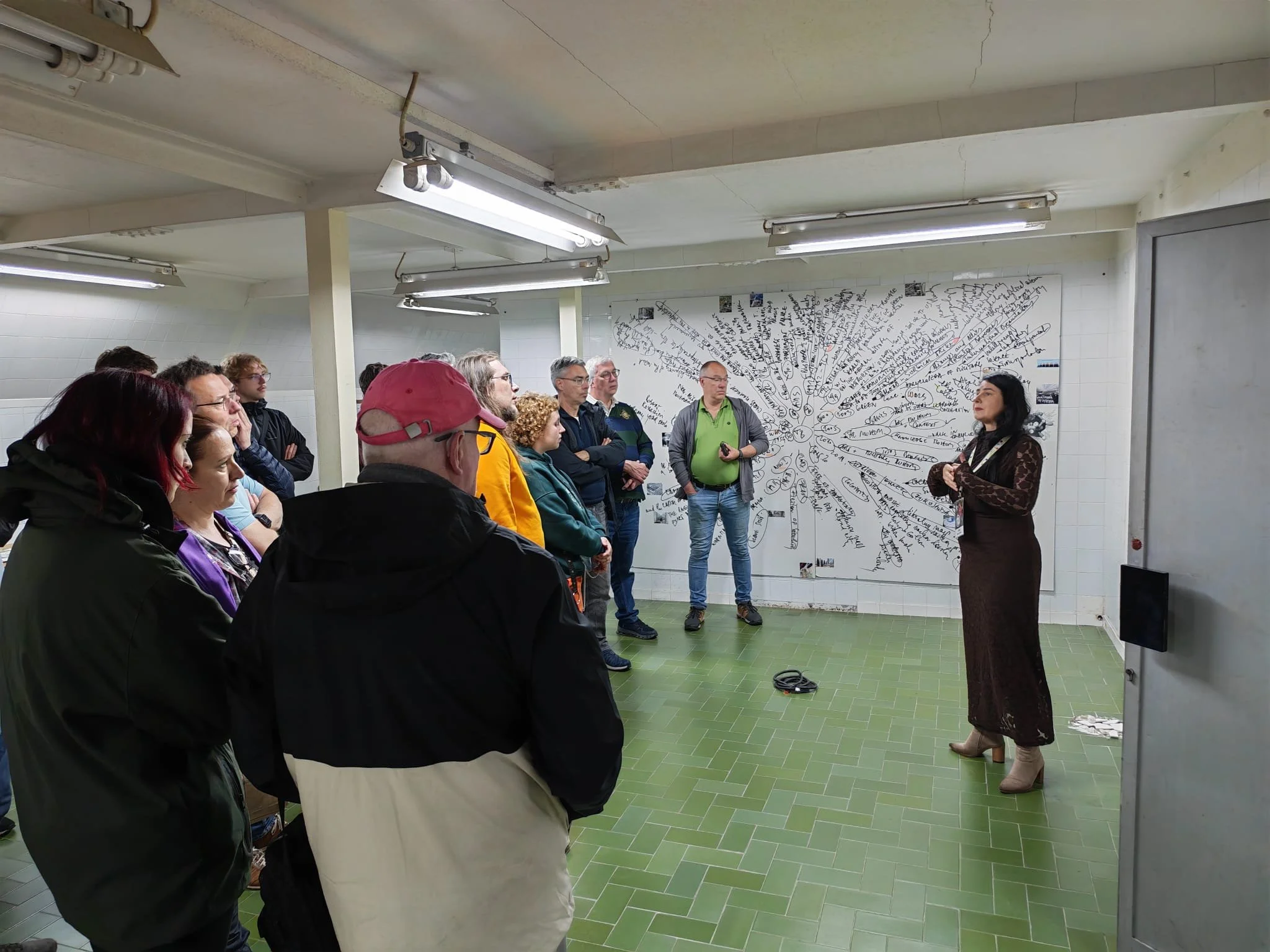
Since 2011, the D-0 ARK project has helped transform this former nuclear command shelter into a kind of hybrid museum: part Cold War time capsule, part art gallery, part historical warning.
And I rather like that.
There is something powerful about placing art inside a bunker.
A space built for fear becomes a space for reflection.
A place once designed to survive destruction now asks questions about memory, power, secrecy, and what we choose to preserve.
The People Who Knew - and the People Who Didn’t
As we walked through, I found myself thinking less about military strategy and more about the people who built it.
The engineers.
The workers.
The guards.
The people who knew.
And perhaps just as importantly, all the people who didn’t.
For decades, this place was hidden. A massive underground structure near Konjic, yet almost invisible to ordinary life.
That, to me, is one of the most Bosnian things about it.
Because so much of this country is layered.
You see the landscape first.
Then the village.
Then the road.
Then the story underneath.
And sometimes, quite literally, the story is inside the mountain.
I also found myself thinking about what it must have meant to maintain a place like this. To keep systems ready. To check doors, filters, cables, generators, and communications equipment.
To prepare for a moment everyone hoped would never come.
There is something deeply human in that contradiction.
The bunker exists because people feared catastrophe.
But it was preserved because people later understood its importance.
Why Places Like This Matter
During the breakup of Yugoslavia, the site could have been destroyed. According to accounts of its history, it survived because destruction plans were disrupted, and later it was handed over to Bosnian authorities.
Today, because it survived, we are able to walk through it and think about what it represents.
And that matters.
Because places like Tito’s bunker are not just curiosities for tourists.
They are reminders.
Reminders of how fragile peace can feel.
Reminders of how much money, labour, and imagination human beings have spent preparing for destruction.
Reminders that behind every grand political idea there are corridors, switches, beds, kitchens, telephones, and people.
For me, visiting the bunker near Konjic was not simply about seeing a Cold War relic.
It was about stepping into a hidden chapter of the former Yugoslavia.
It was about standing in a place built to keep a state alive underground, while the world above might have been falling apart.
Back Into the Light
Perhaps that is why it feels so strange today.
Because outside, Bosnia is so alive.
The river still runs through Konjic.
The mountains still rise.
People still stop for coffee.
Cars still pass on the road between Sarajevo and Mostar.
And beneath it all, inside that hill, this secret world remains.
Silent now, but preserved.
Waiting not for war, but for visitors.
For questions.
For photographs.
For stories.
As we came back out into the daylight, I had that feeling I often get when travelling through Bosnia and Herzegovina.
This country has a way of taking you somewhere unexpected.
You set out on a road trip.
You stop near Konjic.
You go inside a mountain.
And for a while, you find yourself walking through the fears, ambitions, secrets, and contradictions of an entire era.
Not bad, really, for a short stop on a two-and-a-half-day journey.
And that, I suppose, is Bosnia.
There is always another layer.
Always another door.
Always another story beneath the surface.